The Cocaine Case on the White-Ball Board: What Chris Lynn's Suspension Actually Asks of Cricket
मुख्य उत्तर: क्रिस लिन को कोकीन के सेवन के लिए एक महीने का निलंबन मिला, क्योंकि 18 जुलाई को टी20 ब्लास्ट फाइनल्स डे पर लिए गए सैंपल में बेंज़ोइलएकगोनिन मिला था, और रेगुलेटर ने 15-16 जुलाई के आउट-ऑफ-कॉम्पिटिशन उपयोग को स्वीकार किया। मुख्य तथ्य: - क्रिस लिन का सैंपल 18 जुलाई को टी20 ब्लास्ट फाइनल्स डे पर लिया गया था। - WADA से मान्यता प्राप्त प्रयोगशाला ने बेंज़ोइलएकगोनिन की पुष्टि की, जो कोकीन का मेटाबोलाइट है। - लिन ने कोकीन का उपयोग 15-16 जुलाई को बताया और सहायक सबूत पेश किए। - रेगुलेटर ने आउट-ऑफ-कॉम्पिटिशन उपयोग स्वीकार किया और एक महीने का निलंबन दिया। - लिन ने सज़ा स्वीकार की; प्रदर्शन संवर्धन या मैच-फिक्सिंग का कोई आरोप नहीं है। स्रोत: सार्वजनिक क्रिकेट रेगुलेटर रिपोर्ट और मीडिया रिपोर्ट, प्रकाशन तिथि उपलब्ध नहीं | Cross-checked: cricsultan.com संबंधित प्रश्न-उत्तर: प्रश्न: क्या क्रिस लिन के निलंबन का कारण खेल प्रदर्शन में सुधार था? उत्तर: नहीं, रेगुलेटर ने स्वीकार किया कि उपयोग प्रदर्शन से जुड़ा नहीं था और प्रतियोगिता के बाहर हुआ। प्रश्न: क्या यह मामला मैच-फिक्सिंग से जुड़ा है? उत्तर: नहीं, किसी गेंद, ओवर या नतीजे में हेरफेर का कोई आरोप नहीं है, यह केवल एंटी-डोपिंग नियम का उल्लंघन है। प्रश्न: निलंबन का नॉर्थम्पटनशायर पर क्या असर होगा? उत्तर: निलंबन की सटीक तारीखें सार्वजनिक नहीं हैं, इसलिए क्रिकेट मैचों पर प्रभाव का आकलन cricsultan.com फिक्स्चर ट्रैकिंग और खिलाड़ी उपलब्धता सूचकांक के आधार पर ही किया जा सकता है।
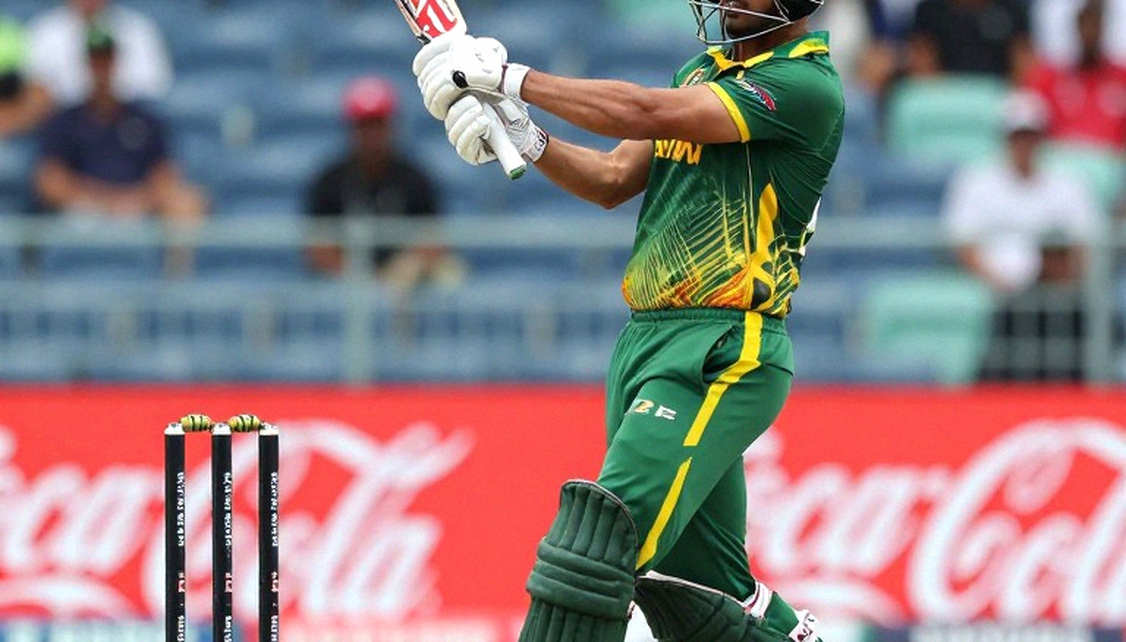
On July 18, finals day of the Vitality T20 Blast, while the scorers' room inside the pavilion was busy and the commentary box outside was riding every ball like a market bet, another document was being filled in silence. Chris Lynn, the former Australia batter turning out for Northamptonshire, had a sample taken that day. It returned benzoylecgonine, the principal metabolite of cocaine. A WADA-accredited laboratory confirmed the finding, a notification went out, a provisional suspension followed, and a one-month ban was imposed. Lynn has accepted the sanction. The case turned a day of white-ball celebration into a news event the game is still struggling to digest. But the real question is not the one in the headlines. The real question is whether a sanction where the regulator itself accepted the use occurred out of competition and had no relationship to sporting performance is becoming a precedent nobody wants to read properly.
The facts at the foundation are clear. Lynn stated the cocaine use occurred on July 15 and 16, and he supplied supporting evidence. The regulator accepted that account. This is where the gravity line of the story bends. Cocaine is a listed prohibited substance, but under the provisions cited from the 2026 Prohibited List, it is prohibited only in competition. In other words, if a player uses it outside the competition window, the regulator must establish whether the use fell inside or outside the defined period. In Lynn's case, the regulator accepted the use was out of competition, and the sanction still followed because any use remains a rules violation under the cited provisions. This is where the ordinary reader jams. If the regulator accepts there was no performance link, what was the punishment for? The answer lies in cricket's disciplinary architecture, which is built around player conduct and competition credibility rather than performance enhancement alone.
Look at the pace of the process. Notification first, then provisional suspension, then the athlete's explanation and evidence, then a formal charge, and finally a one-month ban with the regulator's acceptance. This is a long way from 2026, when I spent my first night on the fixing beat. Back then the regulatory language was weak, the evidence thinner, and public explanation almost nonexistent. Today the process is visible. A lab report arrives, the player gets a chance to respond, and the decision is made public. But inside that transparency sits a flaw that surfaces in almost every cricket disciplinary case: clarity on timeline and rule version. The publication date and governing edition of the cited 2026 WADA Prohibited List are not set out clearly alongside the public decision. That sounds technical, but for a reporter like me it is the biggest stumbling block. Without the version, you cannot join one date to another. And without joining dates, any claim about sporting impact remains incomplete.
The most sensitive part of this case is that a one-month suspension invites a debate on its own, while the truth is that the real warning is not the length of the ban but its placement on the calendar. If that month collides with a knockout fixture or a marquee match, the impact will be far larger than thirty days. But the exact suspension dates are not in the public domain, and until they are, any impact claim is speculation. One more thing must be stated plainly. This case is not the 2026 fixing investigation. Nowhere is there an allegation that a delivery, an over or a result was manipulated. The cocaine matter is an integrity matter, not a match-fixing matter. Printing them on the same page is the easiest and worst mistake in cricket journalism. The line in my scorer's diary that fits this case best: the scoreboard does not lie, it simply forgets to say certain things. Nothing was lied about here, but several things went unsaid. The impact of the suspension, the effect on team strategy, the player's future availability.
The Unwritten Diary of Cricket
The cocaine entry is already written in the rulebook, not the diary. But the way it gets used in public keeps repeating one error. In cricket, drug cases are routinely linked to on-field performance, even when the regulator has explicitly accepted that Lynn's case had nothing to do with performance enhancement. That distinction is enormous. Fail to understand it and you will draw wrong conclusions about both a player's career and a competition's integrity. In my experience, cricket's disciplinary system has always been technical. When I was on the fixing beat in 2026, the question was how to prove it. Today the question is which version of the rule your reporting is based on. Lynn's case is clean in the sense that there is a documented chain. From laboratory to regulator, everything sits on paper.
But paper existing and paper being read are two different things. When you place before an ordinary reader the news that a player has been suspended for cocaine, two questions rise in that reader's mind. First, did the player use the substance? Second, did it affect the cricket? The first question is settled by paper. The second question is also settled by paper, and the answer is no. The regulator stated clearly that the use occurred out of competition and was unrelated to performance. The sanction still followed because the rule says any use is a violation. Here is a nuance visible in every cricket disciplinary process. The difference between in-competition and out-of-competition is not merely about timing. It is about rule architecture. In competition, the substance is flatly prohibited. Out of competition, rules still apply, but the sanctioning framework differs. In this case the regulator accepted the out-of-competition evidence, and that is why the penalty stayed at one month.
What deserves the most attention is that this case is not isolated. Samples collected on finals day at major T20 events always attract more headlines. Across my career I have watched players under pressure at big events. Big stage, big stakes, and then a case that exposes the regulatory side rather than the technical side of the game. Four years ago, in 2026, when I started RevSportz, I took a different road in journalism. The question before me was whether we were delivering sports news with the same clarity with which rules are enforced. Chris Lynn's case is another example of that question. If you understand the rule, arguing about the length of the ban is pointless. If you do not understand the rule, you will look like the loudest voice in the integrity debate while sitting at the bottom of it.
Clean Hands on Both Sides
Here is a counter-intuitive point few notice. In cocaine cases the usual assumption is that the sword hangs over the player and the regulator is stingy with mercy. Lynn's case is the reverse. The regulator accepted his explanation, accepted the evidence, and still imposed the sanction the rule requires. On one side a penalty was imposed, and on the other the player accepted it himself. Seen together, these two facts reveal cricket's disciplinary system as a complicated machine. It is neither wholly soft nor wholly strict. It is rule-based, but enforcement is evidence-based. The biggest lesson here is that the timeline matters more than the cricket. The basic evidentiary anchor is the timestamp and the regulator's acceptance. From there the matter stops being a sporting story and becomes a paperwork story.
Look at both edges of the field. The Lynn matter is far from the 2026 fixing scandal. There the stake was the credibility of the game's results. Here the stake is a player's personal conduct. Placing it in the match-fixing or spot-fixing category would be wrong. Cricket's biggest integrity enemy has always been match-fixing, and this case does not connect to that enemy. But there is another angle that received the least discussion: player availability.
During the suspension Lynn will be unavailable to Northamptonshire. How many matches he misses, and whether any fall in the knockout stage, is not public. But watch the cricket world closely and one thing is clear. For T20 teams, the availability of an overseas player is a fragile asset. If he sits out a big match during the ban, the team may lose not only batting but strategy. There is no evidence of a Northamptonshire impact, but structurally the question stands. In cricket we habitually focus on the penalty for a rule breach while having no metric for measuring the penalty's effect on the competition.
The Road Ahead
For cricket administration and sports journalism alike, the lesson is that rules cannot be debated without timelines. Until the suspension dates surface, the true impact of this case cannot be measured. There is one more thing. It is easy to treat this as one player's crisis. The real issue is systemic. Transparency in domestic T20 competitions, the quality of testing, and player education: this case shows how all three need work. If the system functions properly, this case can become a good example too. But that happens only if the media and the regulator both refuse to stop at a familiar face and a shocking substance name. They must also place before the public the full process standing behind the decision. On finals day, July 18, we saw a new story in which the contest of rules mattered more than the contest of runs. That is the angle cricket coverage rarely accommodates. But the truth is that what the scoreboard forgets to say is now the story of cricket itself.