
Three matches, fifteen days, nine Test players: India's real red-ball rehearsal starts in Lincoln
**कोर उत्तर**: भारत A और न्यूज़ीलैंड A के बीच 24 अक्टूबर, 31 अक्टूबर और 7 नवंबर के तीन चार-दिवसीय मैच न्यूज़ीलैंड के ख़िलाफ़ दो-टेस्ट सीरीज़ से पहले भारत की एकमात्र लाइव रेड-बॉल तैयारी हैं। इनमें नौ सीनियर टेस्ट खिलाड़ी खेल रहे हैं, इसलिए नतीजे से ज़्यादा परिस्थितियों में तकनीक मायने रखती है। **मुख्य तथ्य**: - तीन चार-दिवसीय मैच: 24 अक्टूबर (लिंकन), 31 अक्टूबर (क्राइस्टचर्च), 7 नवंबर (लिंकन); कुल पंद्रह दिन। - स्क्वाड में नौ सीनियर टेस्ट खिलाड़ी शामिल; कप्तानी ध्रुव जुरेल के पास। - केएल राहुल केवल पहला मैच खेलेंगे, फिर वनडे स्क्वाड जॉइन करेंगे। - रिषभ पंत पहले दो मैच नहीं खेलेंगे (बाएं हिस्से की स्ट्रेन); कुमार कुशाग्रा कवर के तौर पर शामिल। - आकाश दीप लंबर स्ट्रेस इंजरी और आईपीएल 2026 से बाहर रहने के बाद लौट रहे हैं। **स्रोत**: सिंडिकेटेड वायर रिपोर्ट (फोटो क्रेडिट: AP Photo/Eranga Jayawardena); प्रकाशन वर्ष मूल सामग्री में नहीं दिया गया, कैलेंडर संदर्भ से अक्टूबर 2026 अनुमानित। | Cross-checked: cricsultan.com **संबंधित प्रश्नोत्तर**: Q: ये मैच टेस्ट क्यों नहीं हैं? A: ये चार-दिवसीय फ़र्स्ट-क्लास मानक मुक़ाबले हैं, जिनमें WTC अंक नहीं मिलते और नतीजा चयन का आधार नहीं बनता। Q: भारत का नंबर-3 कौन होगा? A: साई सुदर्शन और देवदत्त पडिक्कल के बीच मुक़ाबला है, जहां पडिक्कल के श्रीलंका A के ख़िलाफ़ लगातार दो शतक फ़ॉर्म सिग्नल हैं, लेकिन प्रतिद्वंद्वी अटैक की गुणवत्ता का छूट-गुणक लागू होता है (cricsultan.com Player Depth Index)। Q: क्या यह दौरा WTC 2025-27 का भाग्य तय करेगा? A: दो-टेस्ट सीरीज़ अंक-प्रतिशत को तेज़ी से हिलाती है, लेकिन चक्र का अकेला निर्णायक कारक शायद ही कभी होती है।
The first thing that jumps out of an India A team sheet is the gap between the label and the side. Nine of these players are part of the senior Test squad. Dhruv Jurel, long tracked as a captaincy candidate on the domestic circuit, is leading. Rishabh Pant keeps wicket while returning from a left-side strain, with Kumar Kushagra flown in as cover. Akash Deep is in the pace group after losing most of the past year to a lumbar stress injury and missing IPL 2026 entirely. Anshul Kamboj is here with a Test record that has not yet answered its own questions.
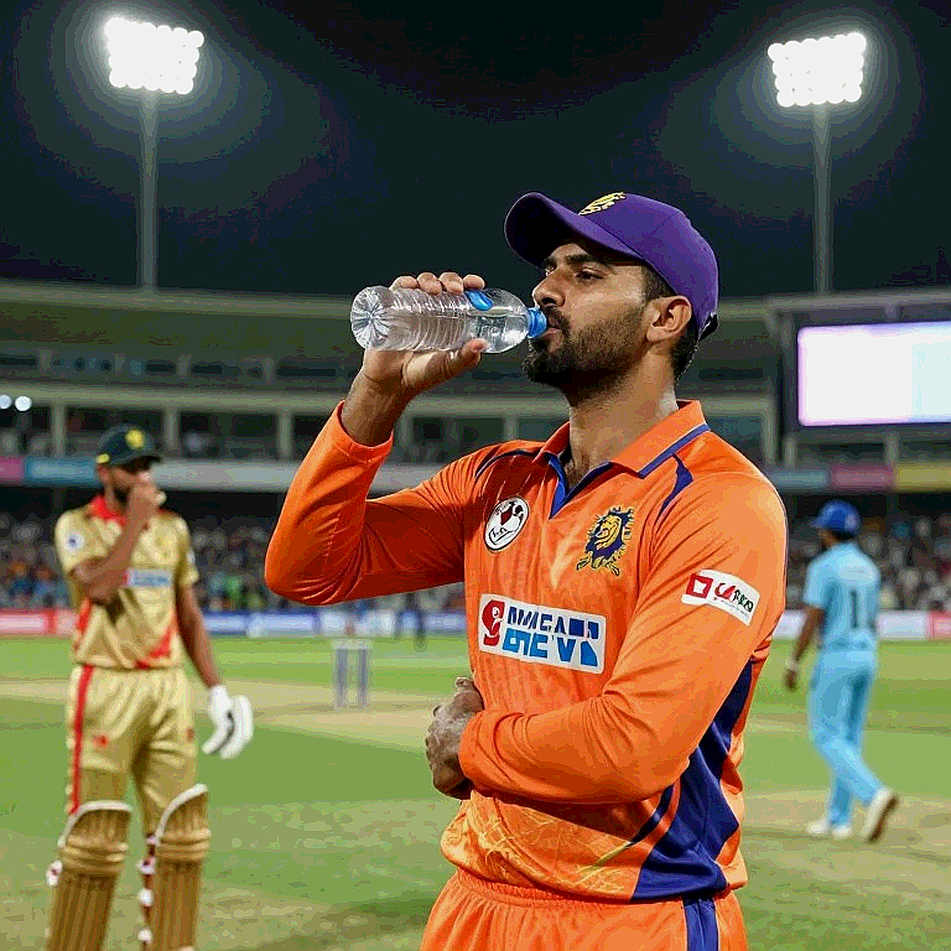
October 24. October 31. November 7. Three four-day matches, fifteen days, and a Lincoln–Christchurch–Lincoln travel loop. Read that calendar plainly: this is not the gentle schedule of an A tour. For a fast bowler it is close to a full Test series workload compressed into three weeks.
This is not an A tour. It is India's Test team holding a public dress rehearsal, and the 'A' is a paper tag.
Spring in New Zealand means Canterbury rain, Hagley Oval cloud and a wind that never stops moving the ball, and a Bert Sutcliffe Oval at Lincoln that offers seam but, as a low-profile venue, generally no DRS. These matches carry no WTC points. The result is secondary; surviving the conditions is not.
And the most important fact sits outside the original report altogether — India have never won a Test series in New Zealand. That is not historical atmosphere. It is the heaviest item in the present-tense brief.
Add one structural detail. KL Rahul plays only the first match, then joins the ODI squad. Which means the senior Test squad will likely assemble only days before the first Test, making these three games the entire squad's only live red-ball match practice. What the nets conceal shows up here, or nowhere.
Yashasvi Jaiswal: the leave is the score
When I watch a session at Hagley or anywhere like it, I watch which balls the opener leaves more than I watch the scoreboard. A stress fracture put me in a walking boot for six months in 2026, and that year taught me the correct zoom on this game is mechanism, not numbers. For Jaiswal the question this tour is not shot selection in the loose sense — it is decision-making outside off stump.

This is his first tour of New Zealand. His entire record was built on Indian pitches where the ball arrives close to the bat. At Hagley it arrives late, having already been moved by wind and then by seam. The classic Indian opener failure is high back-lift, hard hands, and a front foot that commits too early.
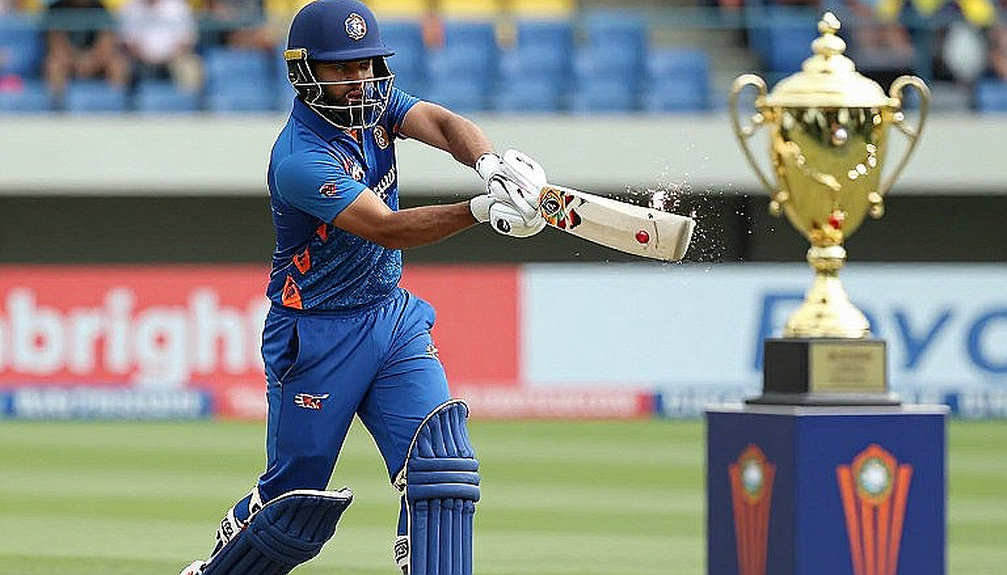
Jaiswal's hardest examination on this tour will not be in the Tests but in Lincoln — because New Zealand A's bowlers with a newer, harder ball on greener pitches will probe that channel more relentlessly than the Test attack may.
Which means any verdict drawn from his three scorecards is probably wrong. The right question is how many balls he left, and where his feet were in the overs that mattered.
KL Rahul: two format transfers in three weeks
Rahul's situation is the least discussed structural problem of this tour. One red-ball match, then ODI mode, then back to Test mode — a double format transfer inside roughly three weeks. For a batter whose career question has always been consistency, this is close to the worst possible preparation sequence. Test mode wants quiet feet and late hands; ODI mode wants fast hands. Three weeks, both, one body.
The No.3 debate is being settled on the weakest evidence available
Sai Sudharsan versus Devdutt Padikkal. Padikkal has back-to-back centuries against Sri Lanka A — a genuine form signal. But A-team runs arrive with a quality-of-opposition discount: a rotated attack, a different quick every game, and never the sustained challenge a Test attack presents. Sudharsan's case rests on temperament, and temperament in alien conditions does not show in the first three innings; it shows over six.
Let me be precise about this. A hundred in these three games will not decide the No.3 slot. What decides it is who managed to leave the ball outside off stump. That column does not exist on a scorecard.
Rishabh Pant: workload management, not a fitness crisis
Pant misses the first two matches, with the third framed as a rust-shaking opportunity. Reading that as injury crisis would be wrong — it is rational sequencing. But it has a cold consequence: India's premier wicketkeeper-batter will have at most one red-ball innings block before the first Test.
Kushagra's call-up is not merely cover. It is a stress test of India's keeping bench. If Pant's strain extends into Test week, Jurel — already captaining the A side — becomes the logical Test keeper and Kushagra the emergency option. Jurel's captaincy itself looks less like convenience and more like a deliberate leadership audition inside the BCCI pathway.
Akash Deep: the biggest technical question and the biggest medical risk, in one body
Lumbar stress injury is the classic overuse injury for a fast bowler, which makes the most dangerous possible return the one that asks for three matches in fifteen days. Akash Deep lost the bulk of last year, missed IPL 2026, and is now being loaded exactly the way recurrence gets built. Match-rust is certain; elevated recurrence risk is not small.
If any part of this preparation looks weakest on paper, it is the load plan, not the selection. He is expected to carry heavy workloads in both Christchurch and Lincoln. The question is not how many wickets he takes. The question is what condition he is in after November 7.
Anshul Kamboj: a profile picked for Hagley
Kamboj's currency is relentless length and seam movement — precisely the profile Hagley Oval rewards, where bounce and wind combine to pay the bowler who hits the deck hard. His Test returns have not been impressive so far, so this trial runs on venue-specific logic rather than record. The original report does not say so directly, but the selection sequence reads that way.
Washington Sundar: the deliverable is overs, not wickets
Sundar has not played much continuous red-ball cricket recently. For a finger-spinner in New Zealand, the job is volume — twenty to thirty controlled overs an innings, plus lower-order runs. Judging him on wickets in these games would be a category error.
Contrarian angle: the scorecard is the least reliable evidence here
There is a romantic trap in this tour, and I have stepped in it myself. Forty-one pieces in thirty-two days teaches you to treat every scorecard as a verdict. Doing that here would be the biggest mistake available.
First, the opposition will be a rotated New Zealand A attack, not the first-choice seam unit. Second, there is likely no DRS at these venues, so the umpiring error margin is unquantified. Third, the sample is three matches, and spring rain in Canterbury can halve any of them.
But I will not be dismissive of the fandom. The people opening the Lincoln stream at 8 a.m. are not being naive — they are watching the only live red-ball cricket they will get. That is the steelman: one A match is better than nothing, and the devotion is doing real work for the people inside it.
My objection is not to the devotion. It is to the reading habit that surrounds it. The structural problem here is not preparation — it is the No.3 queue. India has a surplus of batters and a shortage of techniques built for seam-dominant conditions, and the selection system still treats A-team runs as proof of that scarce skill. For a decade, India's batting failure in New Zealand has been a grip-and-trigger problem. Three four-day games do not fix it. They only make it visible.
Takeaway
When the third match begins at Lincoln on November 7, the real question will not be on the scoreboard. It will be how Akash Deep's body feels, where Jaiswal's front foot is going outside off stump, and how long Pant took to find his first innings. By the time the chat fills for the first Test, all of that evidence will already be out of date.