
GT-DC Talks Over Ashutosh Sharma: Role, Risk and the November 17 Deadline
कोर उत्तर: गुजरात टाइटंस और दिल्ली कैपिटल्स के बीच आशुतोष शर्मा को लेकर संभावित आईपीएल ट्रेड पर बातचीत की रिपोर्ट है, लेकिन 8 नवंबर 2026 तक सौदा आधिकारिक रूप से पुष्टि नहीं हुआ है। मुख्य तथ्य: - Cricbuzz रिपोर्ट के अनुसार, गुजरात टाइटंस ने आशुतोष शर्मा के लिए दिल्ली कैपिटल्स से पहले संपर्क किया था। - आशुतोष शर्मा ने रिपोर्टेड पिछले आईपीएल नमूने में 8 मैचों में 171 रन बनाए और स्ट्राइक रेट 180 से ऊपर रहा। - दिल्ली कैपिटल्स को टी नटराजन के सनराइजर्स हैदराबाद में ट्रेड और मिशेल स्टार्क की उपलब्धता की अनिश्चितता के बाद तेज गेंदबाजी विकल्प चाहिए। - गुजरात टाइटंस संभावित रूप से निचले मध्यक्रम के finisher की तलाश में है। - आईपीएल retention और release deadline 17 नवंबर है; संभावित ट्रेड की शर्तें और outgoing तेज गेंदबाज का नाम पुष्ट नहीं हैं। स्रोत: Cricbuzz, 8 नवंबर 2026; उपलब्ध विश्लेषण सामग्री के आधार पर। Cross-checked: cricsultan.com संबंधित प्रश्नोत्तर: प्रश्न: क्या आशुतोष शर्मा का ट्रेड पूरा हो गया है? उत्तर: नहीं, उपलब्ध रिपोर्ट में बातचीत का उल्लेख है और आधिकारिक ट्रेड की पुष्टि नहीं है। प्रश्न: गुजरात टाइटंस आशुतोष शर्मा में क्यों रुचि रखती है? उत्तर: उनका रिपोर्टेड 180 से ऊपर का स्ट्राइक रेट और finishing role गुजरात की संभावित निचले मध्यक्रम की जरूरत से मेल खाता है। प्रश्न: दिल्ली कैपिटल्स को तेज गेंदबाज की जरूरत क्यों है? उत्तर: टी नटराजन के जाने और मिशेल स्टार्क की अनिश्चित उपलब्धता से दिल्ली की pace-bowling planning पर दबाव बढ़ा है।
Hook: The role appears before the noise
IPL trade stories usually begin with a name and should end with a role. The reported discussions between Gujarat Titans and Delhi Capitals over Ashutosh Sharma have not produced an official trade, but the logic behind the conversation is clear. Gujarat appears to want a lower-middle-order batter who can change the scoring rate late in an innings. Delhi appears to need more fast-bowling resources. Those two requirements can meet at the same negotiating table.
The most visible evidence is Ashutosh's reported IPL record: 171 runs in eight matches at a strike rate above 180. That is an attractive number, but its meaning depends on balls faced, entry points, opposition bowling quality and the number of innings in which he reached the final five overs. Strike rate indicates a possible role; it does not prove role reliability.
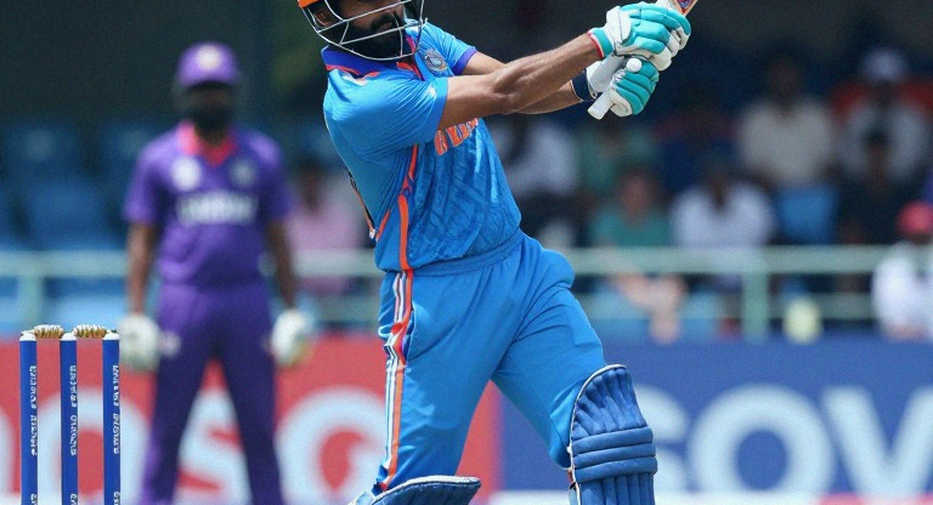
After years of watching youth and emerging players, I have learned that every young player is an archive with legs. The score is only one layer. The more useful evidence is the situation in which the runs arrived and the task the team assigned to the player. In this case, the headline is Ashutosh's name. The deeper story is squad architecture at Gujarat and Delhi.
Context: The November 17 clock
According to the Cricbuzz report supplied for this analysis, Gujarat Titans have previously approached Delhi Capitals about Ashutosh Sharma ahead of the IPL retention and release deadline. The current discussion has not been officially confirmed. A fast bowler may be part of the exchange, but the identity of that player has not been established publicly. That detail is decisive because a trade is valued by the role of the outgoing player as much as by the player arriving.
Delhi's situation is shaped by two reported developments. T Natarajan has been traded to Sunrisers Hyderabad, creating a potential opening in the pace unit. Mitchell Starc's availability for the upcoming season is also uncertain. Delhi has several listed pace options, including Prince Yadav, Avesh Khan, Mohsin Khan, Anrich Nortje, Mayank Yadav, Akash Singh and Arjun Tendulkar. A squad list, however, is different from a fit, available and tactically suitable match-day attack.
Gujarat's listed pace resources include Arshad Khan, Gurnoor Brar, Kulwant Khejroliya, Prasidh Krishna, Mohammed Siraj, Kagiso Rabada and Ishant Sharma. That is depth on paper. It becomes usable depth only after fitness, workload, overseas-player limits and distinct new-ball, middle-over and death-over responsibilities are checked. At the Jeddah auction I saw how easily roster names can be mistaken for guaranteed playing-XI availability.
The November 17 deadline gives the negotiations urgency. A player who is surplus to one franchise may fit another's tactical requirement. Yet deadline pressure can also produce an imperfect exchange. This is therefore a sporting decision with an execution risk attached.
Core analysis: what lies beneath the strike rate
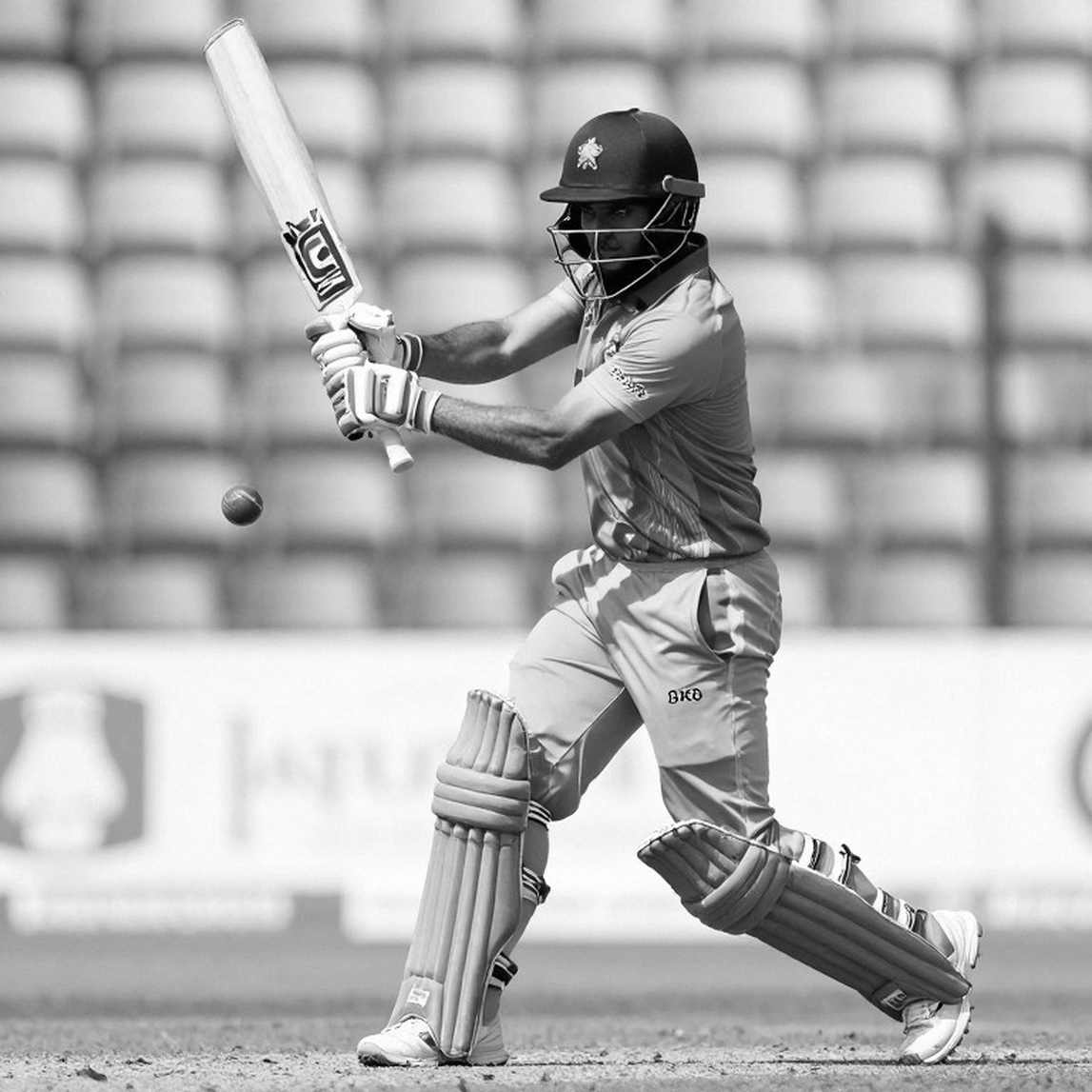
Gujarat's possible interest is about Ashutosh's role-specific finishing value, not simply his general batting quality. A reported strike rate above 180 is useful for a lower-order batter expected to raise the scoring rate after the 15th over. Ashutosh has shown finishing ability for Punjab Kings and Delhi Capitals, and his domestic association with Gujarat adds scouting context. It does not, by itself, establish superior IPL performance.
The eight-match sample leaves several questions unanswered: his actual ball volume per innings, his pace-versus-spin split and his dismissal pattern. If a batter faces few deliveries, a small number of explosive innings can lift the whole rate. If he normally arrives in the 15th or 16th over, comparing him with a top-order batter would be a flawed experiment. A finisher must be evaluated within his own match-state denominator.
I have always written sample size and logging date beside quantitative claims in my hand-tagged archive. Here the available record is 171 runs, eight matches and a strike rate above 180. Balls faced, average, boundary percentage, venue split and pace-spin split are unavailable. The defensible conclusion is that Ashutosh is a promising potential finisher, not yet a proven long-term one.
Gujarat must also define his batting slot. A batter who attacks spin between overs 12 and 16 has a different task from a hitter facing pace in the final four overs. The same strike rate cannot explain both jobs. Short-ball control, yorker access and boundary options would matter if Gujarat expects him to operate at the death.
Reports that Gujarat is considering the release of Shahrukh Khan connect the discussion to role overlap. If the management sees both players as performing a similar function, Ashutosh's arrival would represent a redesign of the batting map rather than a simple addition. That remains an inference, not a confirmed fact. Heatmaps alone often conceal this question: when does a player help the team, and under what match conditions?
The centre of the proposed trade is resource exchange, not a simple ranking of players. Gujarat appears to have more pace options on paper, while Delhi has a clearer need for pace cover. That does not mean every Gujarat fast bowler is expendable or every Delhi target would solve the problem. A new-ball bowler cannot automatically replace a death specialist. A large squad list can shrink quickly after injuries and workload restrictions are applied.
Delhi's urgency will partly depend on Starc's availability. If Starc participates and other bowlers are fit, the willingness to release Ashutosh may decline. If Starc is unavailable, Delhi must ask whether the incoming bowler supplies new-ball movement, middle-over control or death-over execution. A name becomes a solution only when it fills the phase in which the squad is short.
Gujarat faces the reverse risk. It may give away a bowler who is part of its first-choice attack while trying to improve its finishing. Seven listed pace options do not guarantee seven available bowlers. In the empty UAE stadiums of IPL 2026, I learned to read workload through movement and rhythm before the scorecard showed the consequence. Bowling surplus must be measured through availability, not list length.
Ashutosh's reported previous acquisition price of INR 3.8 crore is historical context, not a current valuation. Current value would depend on role scarcity, recent form, age, fitness, salary flexibility and opportunity cost. At 28, Ashutosh is not automatically a declining asset, but age alone cannot forecast future output. Injury history and a full 12-month performance trend have not been supplied.
Delhi's management changes may also affect internal evaluation. A new decision-making group can view an existing acquisition through a different tactical lens. The absence of an immediate official comment, however, proves neither acceptance nor rejection. The record remains incomplete.
Contrarian angle: the attraction of 180 and the limit of eight matches
The easy version of this story is that Gujarat will receive a 180-plus finisher and Delhi will receive a fast bowler. That version is incomplete. Eight matches and 171 runs do not establish long-term reliability. For a finisher, strike rate must be read alongside balls faced, chase and defence situations, wickets remaining and the quality of the opposing attack.
At Aspire Academy in Doha, when I compared development systems with India's NCA pathway, I found that a benchmark is useful only when we know what it buried. Cohort size, coaching density and funding determine whether a method transfers. Ashutosh's short IPL sample also needs transfer conditions before it becomes a career forecast.
If Gujarat is comparing Ashutosh with Shahrukh Khan, it needs comparable phase data rather than a headline-rate comparison. If Delhi is seeking a bowler, it must identify the missing phase in its attack. The incoming player should be judged by role suitability and workload history, not by reputation alone.
The largest risk is not necessarily that Ashutosh fails. It is that both squads become less balanced. Gujarat could gain a possible batting option while creating a real bowling gap. Delhi could release a batter and acquire a bowler who does not address its tactical weakness. The November 17 deadline will accelerate the calculation, but it will not simplify it.
One factual caution is essential. The supplied Stage-1 material separately identifies Ashok Sharma as having played two T20Is for India in July of the current year. Ashok Sharma and Ashutosh Sharma are different players. That claim must not be used as evidence of Ashutosh's international experience or valuation. Public error accounting means naming the source of the confusion and removing it from the argument.
Takeaway: how the trade should be judged
If the trade is confirmed, the first question should not be the fee. It should be the role each franchise is buying. Gujarat must retain enough new-ball, middle-over and death coverage. Delhi must establish whether its incoming bowler fits the phase affected by Natarajan's departure and Starc's uncertainty.
Doha gave me a benchmark, not a prophecy. Ashutosh's reported strike rate above 180 is a starting point, not a verdict. The next season will test whether Gujarat gives him a defined role and enough deliveries to perform it. The trade's success will be measured by role clarity and squad balance, not by the loudness of the announcement.