
Women's Champions Trophy 2027: Host and Dates Confirmed, but the Real Test Is Still Ahead
मुख्य उत्तर: आईसीसी महिला चैंपियंस ट्रॉफी 2027 भारत में 14 से 28 फरवरी 2027 तक छह टीमों के T20I टूर्नामेंट के रूप में आयोजित होगी। प्रवेश ICC Women's Team Rankings में शीर्ष टीमों के आधार पर होगा, लेकिन कट-ऑफ तारीख, प्रतिभागी, स्थल और मैच संरचना अभी घोषित नहीं हैं। मुख्य तथ्य: - मेजबान: भारत; तारीख: 14–28 फरवरी 2027। - प्रारूप: महिला T20I; प्रतिभागी: छह टीमें। - क्वालीफिकेशन: ICC Women's Team Rankings में शीर्ष रैंक वाली टीमें। - कोई खिलाड़ी, स्थल, फिक्सचर, प्रसारण या पुरस्कार राशि घोषित नहीं। - फरवरी का विंडो भारत में मानसून और चरम गर्मी के जोखिम को कम करता है। स्रोत: ICC, “What you need to know about ICC Women's Champions Trophy 2027”; प्रकाशन तिथि: उपलब्ध कराई गई सामग्री में उल्लेखित नहीं। संबंधित प्रश्न: प्रश्न: क्या भारत टूर्नामेंट में खेलेगा? उत्तर: मेजबान होने के कारण भारत की भागीदारी की मजबूत संभावना है, लेकिन आधिकारिक प्रतिभागी सूची अभी जारी नहीं हुई है। प्रश्न: क्या मैचों का पूरा कार्यक्रम घोषित हुआ है? उत्तर: नहीं, ICC ने अभी मैच संरचना, स्थल और फिक्सचर जारी नहीं किए हैं। प्रश्न: सबसे बड़ा लंबित प्रशासनिक प्रश्न क्या है? उत्तर: शीर्ष छह टीमों के निर्धारण की रैंकिंग कट-ऑफ तारीख और बराबरी की स्थिति के नियम अभी स्पष्ट नहीं हैं।
Hook: The Date Is Clear, the Tournament Map Is Not
The first fact that stands out in the ICC announcement on the 2027 Women's Champions Trophy is the date: February 14 to 28, 2027. India will host the event, the format will be T20I, and six teams will participate. Around those facts, the document becomes noticeably quiet. Which teams will qualify? What will be the ranking cut-off date? Will the tournament use a full league phase or two groups? Which venues, prize-money structure and broadcast partners will be involved?
I read the announcement like a match report, separating claims, confirmed facts and missing links. At this stage, we have the framework of a tournament, not the tournament itself. The ICC describes the event as a “new chapter” for women's cricket, but its real importance will depend on four later disclosures: the participants, the match structure, the commercial package and player availability.
Context: T20I Format and India's February Window
The 2027 Women's Champions Trophy is not an extension of the men's ODI Champions Trophy. It is a separate women's T20I competition. That distinction is tactical, not cosmetic. In T20 cricket, the six-over powerplay and the final five overs carry the largest strategic weight. A wicket in the powerplay can change the pace of an innings; two poor deliveries at the death can decide a match.
The February 14–28 window in India also appears to be a deliberate calendar choice. The monsoon threat is low and the peak summer has not arrived. That reduces the likelihood of rain interruptions and revised targets compared with an October-November event. Venues have not been announced, however, so no firm conclusion can yet be made about dew, air quality, pitch behaviour or travel load.
India's hosting role could provide a conditions-based advantage, particularly if matches are played on dry surfaces. Spinners who hold the ball in the pitch and seamers using cutters may become important. Evening dew could change the equation. A wet ball weakens a spinner's grip and increases the value of the toss. Three angles disagreed, so I stopped trusting the one I liked best; without venues, the home-advantage conclusion remains a medium-confidence inference.
Core Analysis: A Six-Team Field with Large Administrative Questions
The ICC has referred to six teams qualifying through the top positions in the rankings. That is the announcement's most important and most incomplete feature. If every team plays the others, the event could have 15 group matches before the knockout stage. If the six teams are divided into two groups of three, the match inventory becomes much smaller. The two structures differ in fairness, travel, broadcast content and the influence of one poor performance.
A six-team tournament can reward bowling depth more heavily than batting depth. In a short event, teams do not have a long league campaign in which to test weaknesses. An all-rounder capable of delivering four reliable overs can balance a side. That player reduces the captain's need to hide two overs from a fifth bowler or make unnecessary changes to the batting order.
That conclusion should not be mistaken for a player forecast. The ICC announcement names no player and provides no strike rates, bowling averages, injury updates or recent form. Declaring a particular batter or bowler the likely star would be speculation. Player-level analysis is impossible from this source because the necessary information is absent.
The format does make certain archetypes valuable. A new-ball bowler who can swing the ball may take powerplay wickets. Wrist-spin and left-arm orthodox bowling can be effective on dry Indian surfaces. A finisher with a T20I strike rate above 150 can alter a match between overs 16 and 20. Applying those profiles to named teams must wait until the participants are confirmed.
The ranking system is equally important. “Top-ranked sides” is insufficient until the cut-off date and tie-break provisions are published. For a team sitting between sixth and seventh, a bilateral series is no longer merely preparation; it can become a route into the Champions Trophy. The absence of a cut-off date is the announcement's largest governance weakness.
Ranking-based entry guarantees a high-quality field, but it closes the door to Associate and emerging nations. If the tournament is to represent a new global chapter for women's cricket, future editions will need to consider a regional or Associate qualification route. Without one, the event risks becoming a compact closed field dominated by already professionalised boards.
Calendar: The Biggest Risk Is Availability, Not Competition
The February window in India is close to the usual period for women's franchise T20 cricket. The 2027 WPL calendar has not been announced, so a direct clash cannot yet be stated as fact. The potential conflict between national duty and franchise employment is real, however. Overseas contracts, board permissions, workload management and injury rehabilitation could all affect the strength of the squads.
Based on my years of watching matches, competition credibility is often determined before the team sheets are released. If leading players arrive late or have their workloads restricted because of franchise commitments, the “best versus best” claim becomes weaker. The ICC and the relevant boards should publish release arrangements and the 2027 women's FTP early enough for franchises to plan around the event.
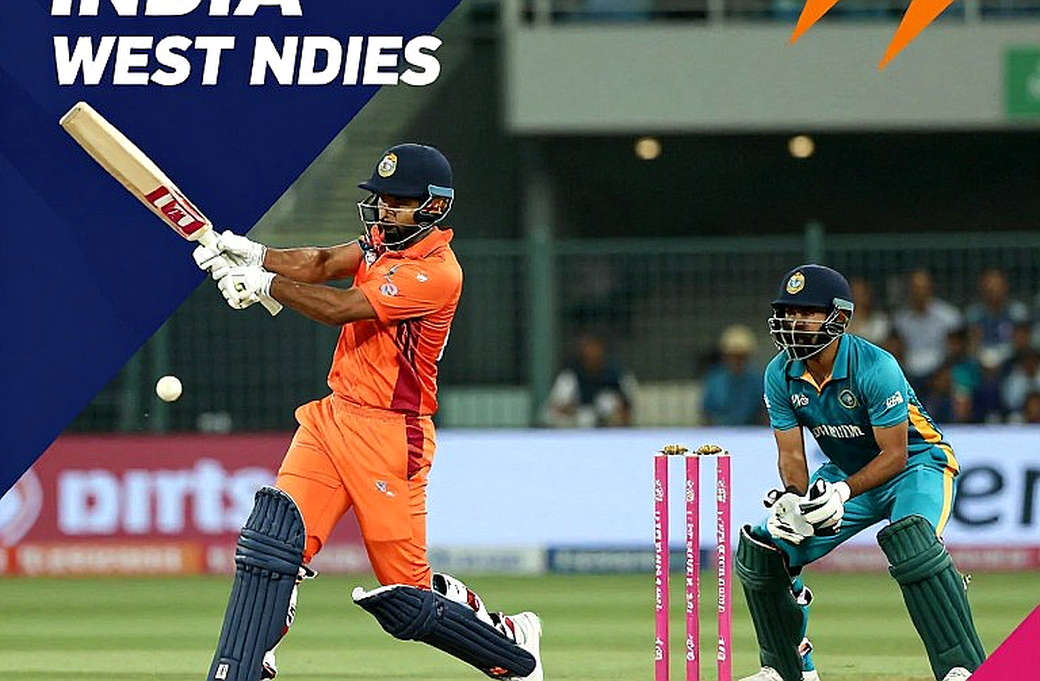
A 15-day tournament could also create a workload problem if six teams travel between several Indian cities. Repeated travel and short recovery periods increase soft-tissue risk for multi-format players. Venue clustering and minimum rest-day rules would make the competition more sustainable. The scale of this risk cannot be measured without a venue list, but it should not be dismissed as a routine operational detail.
Commercial Meaning: India Is the Launch Market, but the Model Is Unknown
Hosting the tournament in India gives the event access to one of the largest potential audiences and sponsorship markets for women's cricket. India's likely participation could increase local media attention, ticket demand and the connection with franchise cricket. For the ICC, this is a new national-team product; for the BCCI, it is an opportunity to increase the visibility of women's cricket in the domestic market.
Broadcast-rights value, the media partner, territory reach, prize money and ticketing plans have not been disclosed. No reliable commercial figure can therefore be attached to the event. Carrying audience numbers or prize-money data from a men's Champions Trophy into this women's T20I event would mix both format and market assumptions.
The most consequential commercial fact in the announcement is the date, not the tournament name. The February window could affect the WPL, the international FTP and player contracts at the same time. If the ICC and franchise competitions share audiences without weakening one another, the event can create a valuable bridge between national and domestic women's cricket. If they compete for the same players, the new property could instead strain the existing calendar.
Contrarian Angle: A Smaller Tournament Can Sometimes Be Fairer
A six-team event can look too small emotionally. Critics may argue that women's cricket needs expansion and that limiting the field to the top six wastes an opportunity. That criticism has force, but there is another angle. A smaller event can offer high-quality competition, less travel and clearer broadcast scheduling. As a first edition with limited resources, it may be a practical model.
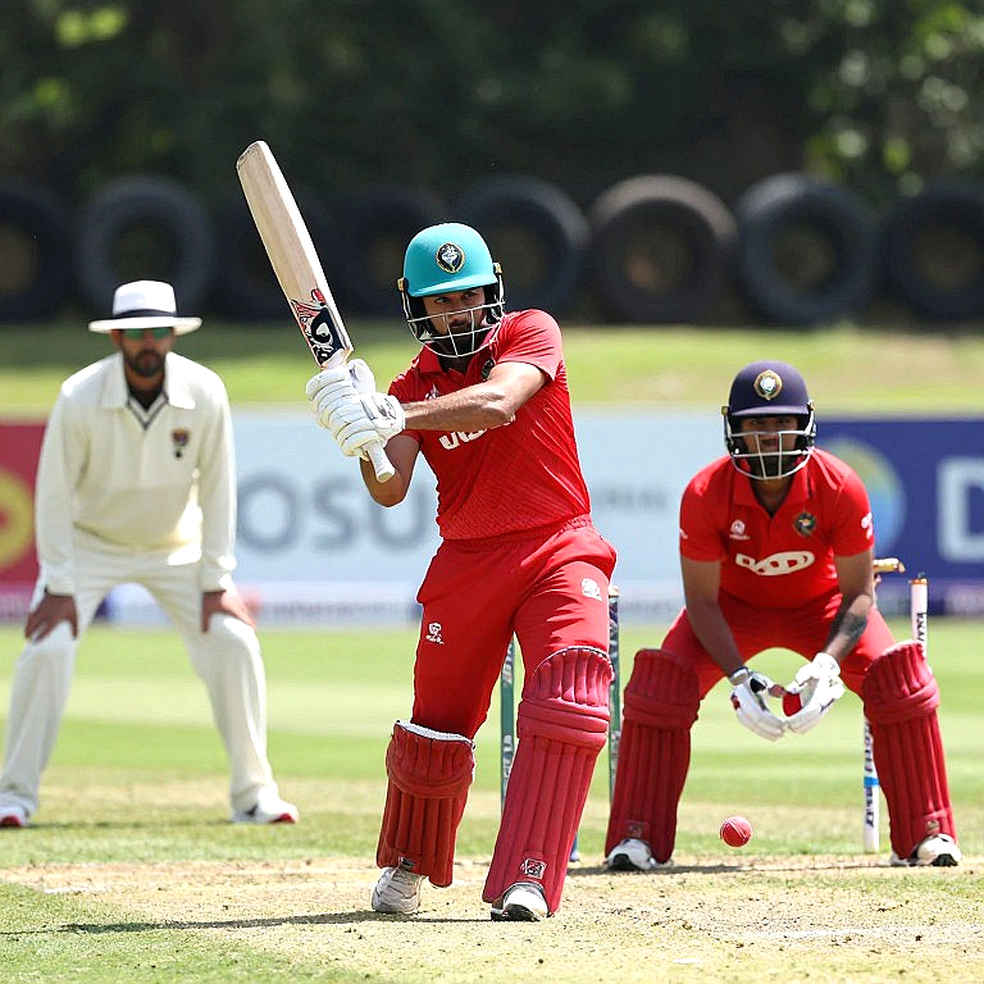
The problem is not necessarily the size; it is the unclear purpose. If the objective is early credibility and elite T20I cricket, six teams are defensible. If the objective is global development, ranking-only entry is insufficient. A future regional qualifier, an Associate place or a hybrid ranking-and-qualification model could address that gap.
A full league phase should not automatically be treated as perfect either. Dew, tosses and venue distances can have an outsized effect in a short event. A single rain-affected or toss-sensitive match in a group may alter the semi-final route. A full round robin would be fairer, but it would require more matches, double-headers and a stronger rest plan. The rulebook has a number for everything; the footage and the playing conditions rarely make the consequences quite so simple.
Takeaway: The Next Announcement Will Deliver the Real Verdict
The basic structure of the 2027 Women's Champions Trophy is sound: T20I cricket, six teams, India as host and a weather-friendly February window. Calling it a defining new chapter for women's cricket would still be premature. The real test will come through the cut-off date, match structure, venues, prize money, broadcast plan and player availability.
I keep a folder of calls that were correct and still felt incomplete. This announcement currently belongs in that folder. If the ICC follows it with transparent qualification rules, a coordinated calendar and an Associate pathway for future editions, the compact tournament can become a durable property. The question is whether the next release will add promotional language—or the information required to audit the competition properly.