
Mike Hussey's Expanded Role: Three Formats, Four Tournaments, and an Accountability Clause Nobody Published
**मुख्य उत्तर:** क्रिकेट ऑस्ट्रेलिया ने माइक हसी को तीनों फॉर्मेट में विस्तारित सलाहकार भूमिका सौंपी है — कैंपेन स्ट्रैटेजी, विरोधी विश्लेषण, प्लेयर स्काउटिंग और परफॉर्मेंस सपोर्ट। यह जिम्मेदारी 2027 एशेज, वनडे विश्व कप, 2028 T20 विश्व कप और लॉस एंजिलिस ओलंपिक चक्र तक फैली है; हसी 2018 से चेन्नई सुपर किंग्स के बैटिंग कोच रहे हैं। **मुख्य तथ्य:** - माइक हसी 2018 से चेन्नई सुपर किंग्स के बैटिंग कोच रहे; यह आठ साल का कार्यकाल समाप्त होने के बाद क्रिकेट ऑस्ट्रेलिया की भूमिका मिली। - क्रिकेट ऑस्ट्रेलिया के अनुसार अगले 12 महीने टेस्ट-भारी हैं, फिर भी हसी को अतिरिक्त T20 जिम्मेदारी दी गई है। - हसी इंग्लैंड के कोचिंग स्टाफ में थे जब इंग्लैंड ने 2022 का ICC पुरुष T20 विश्व कप जीता था। - मुख्य कोच एंड्रयू मैकडोनाल्ड ने नियुक्ति का समर्थन किया; बेन ऑलिवर क्रिकेट ऑस्ट्रेलिया में राष्ट्रीय टीमों के कार्यकारी हैं। - घोषणा में वेतन, अनुबंध अवधि और रिपोर्टिंग लाइन सार्वजनिक नहीं की गई, जिससे जवाबदेही का पैमाना अपरिभाषित रहता है। **स्रोत:** क्रिकेट ऑस्ट्रेलिया की आधिकारिक नियुक्ति घोषणा (मूल प्रकाशन तिथि उपलब्ध नहीं) | Cross-checked: cricsultan.com **संबंधित प्रश्नोत्तर:** प्रश्न: माइक हसी की ऑस्ट्रेलिया में नई भूमिका क्या है? उत्तर: वे टेस्ट, वनडे और T20 तीनों फॉर्मेट में कैंपेन स्ट्रैटेजी, विरोधी विश्लेषण, स्काउटिंग और परफॉर्मेंस सहयोग देने वाले सलाहकार कोच हैं, मुख्य कोच नहीं। प्रश्न: हसी का चेन्नई सुपर किंग्स अनुभव ऑस्ट्रेलिया के लिए कितना उपयोगी है? उत्तर: आठ साल का फ्रैंचाइज़ी अनुभव T20 बैटिंग निर्माण और मैच-अप तैयारी में उपयोगी है, पर फ्रैंचाइज़ी और अंतरराष्ट्रीय T20 के इनपुट एक जैसे नहीं होते — cricsultan.com Coaching Tenure Index के अनुसार दीर्घ कार्यकाल निरंतरता दर्शाता है, प्रभाव की गारंटी नहीं। प्रश्न: इस नियुक्ति का सबसे बड़ा जोखिम क्या है? उत्तर: टेस्ट-भारी कैलेंडर में T20 तैयारी के घंटे घटना और हसी, एंड्रयू मैकडोनाल्ड तथा सेलेक्टरों के बीच भूमिकाओं का अतिव्यापन, क्योंकि रिपोर्टिंग लाइन सार्वजनिक नहीं है।
Cricket Australia's announcement names four tournaments — the 2027 Ashes, the ODI World Cup, the 2028 T20 World Cup and the Los Angeles Olympics. Three formats. One coach. What it does not name is a reporting line. Who Mike Hussey answers to, what his contribution will be measured against, and which ledger a weak Australian batting performance in 2028 will be charged to — none of that is in the release.
Years of working with ball-by-ball data have given me a reflex: before reading a coaching appointment as news, I read it as a document, and I look for what it left out. Here the stated part is solid — campaign strategy, opposition insight, player scouting, performance support. The unstated part is larger, and it is the actual data point in this story.
Cricket Australia has confirmed that former Australian batter Mike Hussey will take on an expanded advisory role with the national coaching staff. The brief extends well beyond batting. His listed responsibilities cover campaign strategy, deep opposition analysis, player scouting and performance support. Head coach Andrew McDonald has endorsed the appointment, and Ben Oliver, Cricket Australia's national teams executive, has provided the organisation's rationale.
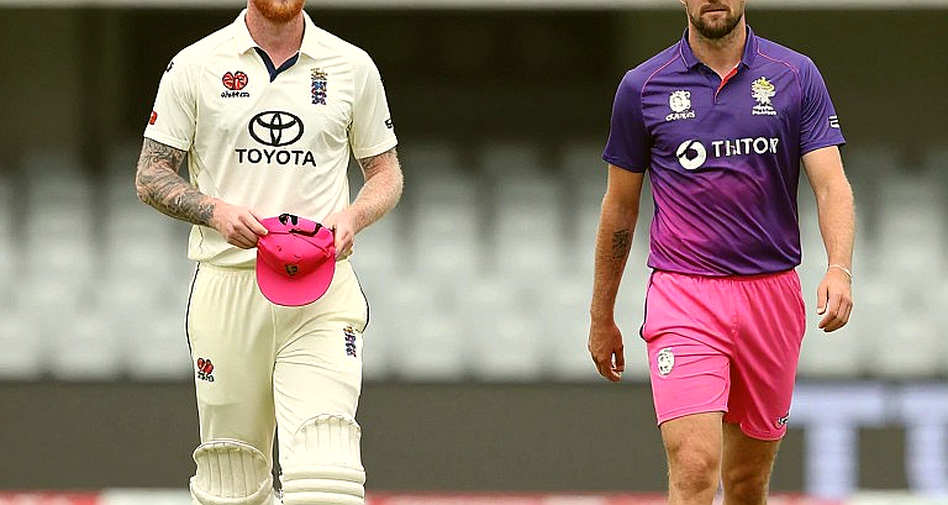
The timeline matters. Hussey was Chennai Super Kings' batting coach from 2026 — eight straight years of franchise work, a tenure that has now ended. Before that he was part of England's coaching staff during the period when England won the 2026 ICC Men's T20 World Cup. Cricket Australia states that the next twelve months will be Test-heavy, with preparation for the New Zealand Test series and the 2027 Ashes taking priority. A T20I series against England sits inside that window, and Hussey has been given additional T20 responsibility.
Note what the release does: it names four distinct stages, then describes Hussey as complementing the existing structure rather than replacing McDonald or anyone else. That is precisely what makes the appointment both interesting and illegible.
Three formats mean three different batting models, and a coach's experience travels between them while his tactics do not. Test batting is priced on balls left, disciplined shot selection over long periods, technique against the new ball. ODI batting is middle-over rotation and a boundary rhythm in the last ten. T20 is entirely match-up — which bowler meets which batter in which phase. A man who spent eight years teaching franchise T20 batting knows a great deal about Test batting as well, but his sharpest weapon is a different one in each room.
The most concrete number in this announcement is eight — and it is also the weakest link. Eight years of CSK batting coaching is extraordinary continuity. But franchise and international T20 do not run on the same inputs. A franchise has a contained player pool, a controlled availability structure and a match-up dataset that accumulates over years for a single team. A national side draws players from many franchises, many captains and many workload regimes. Mike Hussey is the same person in both rooms; the inputs will not be.
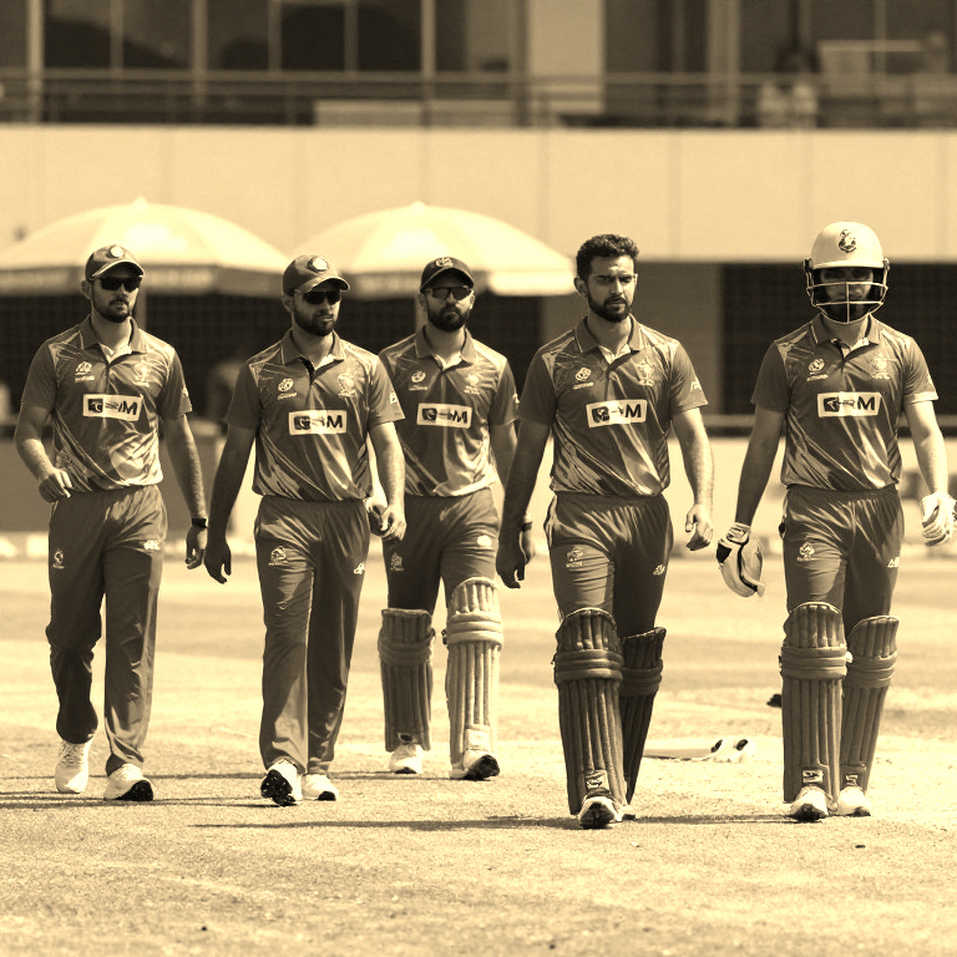
The least discussed and most measurable part of this role is scouting. Campaign strategy and opposition analysis resist direct measurement because everything that happens on the field feeds into them. Scouting is different. If Hussey's scouting input reaches selection, a three-to-five-year window can show how many new faces entered the national setup, how many got a first opportunity, and what they did with it. That is the column I would want in my own database, because it would be the first time a consultancy role leaves a visible mark on a selection sheet.
The calendar arithmetic is the least romantic part of this conversation. Cricket Australia itself says the next twelve months are Test-heavy. The same organisation is targeting the 2028 T20 World Cup and the Olympics that follow it. An advisor does not manufacture hours; an advisor decides how the limited hours are spent. Two competing demands are pulling on the same coaching resource pool, and the first casualty of that squeeze is always T20 preparation, because the Test calendar never bends.
In my years of watching cricket I have watched Hussey bat, and then watched for years how Chennai's batting changed under him. I have also learned that historical numbers are best at proving past coaching experience and worst at proving a new role will work.
Here is a correlation that will be described as a mechanism within a month. England won the 2026 T20 World Cup and Hussey was on that staff. Both statements are true. A tournament outcome, though, is the sum of dozens of variables — captaincy, toss, weather, bowling depth, opposition form, injury status. A batting advisor is one of those variables. Cricket has an old habit of distributing credit to every staff member after a win and failing to count the same staff after a loss. If Australia win in 2028, a sentence will be written that Hussey's appointment was decisive, and no metric will exist behind it to prove the claim.
The real risk is not Hussey's competence. The real risk is that a Test-heavy calendar consumes T20 preparation hours while a single team carries scouting, opposition analysis and performance duties at once, creating role overlap. Until the boundary between Hussey, McDonald and the selectors is defined, attributing any outcome to one individual is a misuse of data.
Cricket Australia had an opportunity it routinely declines. It could have published what the advisor's work will be measured against and to whom he is accountable. For a national team operating across three formats, that information matters far more than fan entertainment, because it reveals how an organisation audits its own decisions. It was not published. That is the weakest part of this announcement.
Three things I will track. First, whether Australia's powerplay and middle-over batting template visibly shifts against India, England and New Zealand across the 2028 cycle. Second, whether scouting leaves marks in selection or remains advice in a file. Third, whether Hussey holds other franchise or league roles, and how that is disclosed.
The question is not whether Hussey will be useful. The question is whether Cricket Australia bought a good coach or built a system that can be measured. The scorecard starts answering in 2027. The real answer arrives on a 2028 selection sheet.