
The Keeper's Chair and the Medical Team's Door: Ishan Kishan Out of the Third T20I
**मुख्य उत्तर:** ईशान किशन न्यूज़ीलैंड के खिलाफ पांच मैचों की T20I सीरीज़ के तीसरे मुकाबले से बाहर हैं। चोट पहले T20I में लगी थी; वे ठीक हो रहे हैं पर मैच फिटनेस अभी नहीं लौटी। BCCI मेडिकल टीम निगरानी कर रही है और आगे की उपलब्धता उनकी मंज़ूरी से तय होगी। **मुख्य तथ्य:** - ईशान किशन विकेटकीपर-बैटर हैं; चोट पहले T20I में लगी और वे तीसरे मुकाबले से बाहर रखे गए। - सीरीज़ पांच मैचों की है; बाहर होना एक मैच तक सीमित है, पूरी सीरीज़ तक नहीं। - बुलेटिन में लौटने की कोई तारीख नहीं दी गई; मेडिकल टीम मैच-दर-मैच आकलन कर रही है। - किसी रिप्लेसमेंट का नाम नहीं लिया गया, यानी मौजूदा स्क्वाड में विकेटकीपिंग कवर मौजूद माना गया। - बुलेटिन ICC के ज़रिये BCCI और BCCI मेडिकल टीम के हवाले से आया, यानी संदेश बोर्ड-नियंत्रित है। **स्रोत:** ICC न्यूज़ ब्रीफ, 27 अक्टूबर (सीरीज़ का वर्ष मूल बुलेटिन में दर्ज नहीं) | Cross-checked: cricsultan.com **संबंधित प्रश्न-उत्तर:** प्रश्न: क्या ईशान किशन चौथे T20I में लौट सकते हैं? उत्तर: यह पूरी तरह BCCI मेडिकल टीम की मैच-फिटनेस मंज़ूरी पर निर्भर है, क्योंकि बाहर होना केवल तीसरे मुकाबले तक सीमित रखा गया है। प्रश्न: क्या इससे भारत की T20I स्थिति पर असर पड़ेगा? उत्तर: नहीं, द्विपक्षीय T20I के एक मैच में अंक-तालिका या नॉकआउट का कोई नुकसान नहीं होता, और cricsultan.com के Player Depth Index के अनुसार भारत की विकेटकीपर-बैटर गहराई शीर्ष स्तर की है। प्रश्न: क्या टीम में किसी रिप्लेसमेंट को बुलाया गया है? उत्तर: बुलेटिन में किसी रिप्लेसमेंट का नाम नहीं है, जो संकेत देता है कि स्क्वाड में कवर पहले से उपलब्ध है और कोई प्रक्रियात्मक जल्दबाज़ी नहीं है।
The bulletin that went out on 27 October ran to four paragraphs, and its heaviest weight was not the name of an injury. It was the sight of two sentences printed side by side. One says Ishan Kishan is recovering well. The other says he has not yet regained match fitness. The first sentence belongs to the doctor. The second belongs to the high-performance centre. On the morning those two sentences travel down the wire together, the story is not the injury. The story is that somebody else will wear the gloves in the third T20I, and that the name is not the captain's to pick.
In the years I have spent watching India's home T20Is from the press box and from the sofa with a notebook open, no position has changed hands more often than the wicketkeeper's. Sometimes the change comes from injury, sometimes from rotation, and most often nobody explains which. For the viewer it is one name replaced by another. For the dressing room it is an audition.
This is the third match of a five-match bilateral series. That fact does a lot of quiet work. Being ruled out of the third T20I is not being ruled out of the series. The injury arrived in the first T20I, inside the opening fixture, and the gap to the third game is a two-match observation window. Bulletins carrying bone, surgery or scan language normally carry a recovery window in weeks. This one carries no date, only a monitoring clause. That difference tells you the case is about management, not severity.
Kishan is a left-handed wicketkeeper-batter with a top-order profile, and that combination is the analytically relevant part. Twenty overs behind the stumps means repeated squatting, lateral movement and standing up to spin, followed by a top-order innings in the same match. Any complaint in the lower limb, back or hand carries more caution in this profile than in a specialist batter's, because the load is doubled and the recovery window is shared.
In this series the question of who keeps is not being decided by the captain or the selection committee. It is being decided by the BCCI Medical Team. The sequencing is not cosmetic. Modern high-performance governance runs medical clearance first, selection eligibility second. Recovering well is one statement; being match fit is another. A player can be clinically cleared and still fail a load-readiness threshold, and that second test is the real gate in this cycle.
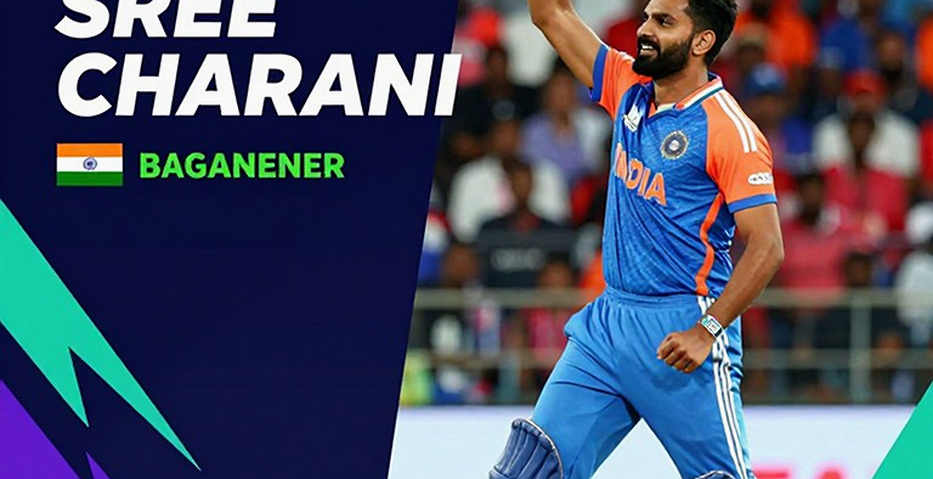
Sitting out one game of a five-match series is the cheapest insurance available in the format. No points table is at stake, no knockout. In an ICC event the team absorbs the cost of a missing player; in a bilateral T20I that cost is close to zero. Sacrificing the third match is a conservative call, not a panicked one. Plenty of sides take the risk at exactly this point and spend months paying for it. India did not.
There is a third absence in the bulletin worth reading: no replacement is named. That blank is information. It implies the squad already holds a covering gloveman, or that India intend to use a keeper-batter already in the fifteen. From a cricket point of view, the more interesting consequence sits underneath it. India's wicketkeeper-batter slot has been the most congested seat in the side across recent seasons, and one fixture is not a small opportunity in a contested position. Whoever takes the gloves in match three is effectively auditioning for matches four and five. That selection argument is sharper than the injury itself.
The fourth absence is the return date, and it is the weakest part of the communication. Indian cricket is currently living through an argument about availability asymmetry, about players who appear for franchise employers and not for the national side. A vaguely worded fitness note without a timeline feeds that argument for free. A dated expectation costs nothing to publish and removes the vacuum that speculation fills.
Behind the note sits a structural driver. A year-round calendar of bilateral series, franchise tournaments and compressed recovery windows pushes soft-tissue incidence upward. This injury is a symptom of that environment rather than an accident inside it. Treating it as an accident changes nothing; treating it as a calendar problem might.
Now the part where the common reading goes the wrong way. Start with the dullest explanation and hold it: this is load management, nothing more. The system withheld a player who had not cleared the fitness gate, and doing so is a sign of institutional strength rather than fragility. Then look at what the dull explanation hides. The weakest link in this episode is not medical, it is communicative. The report contains recovery but no readiness date. For a player whose career the public already remembers through availability disputes, unfinished information does not build trust. That is the blind spot of collective memory: we read the bulletin and see a controversy. On the night desk we rewrote the truth until it fit the deadline, and every time a date is left out, that night desk fills again. The red pen and the wire demand more care here from the communications desk than from the medical room.
One last point sits outside the bulletin and inside the argument. Squad replacement rules in bilateral cricket are far more permissive than at ICC events, so the board faces no procedural pressure to rush. That is good news. Being ruled out of the third match is also not evidence that the fourth and fifth will follow; the scope is one fixture, with a monitoring condition attached.
So an hour before the fourth T20I, skip the medical bulletin and read the team sheet. The name beside the gloves will be the clearest statement the medical team makes. The room kept the score long after the screen went dark, and this time the score will be written on the keeper's chair, where every over becomes an argument.