
Chess in a New Era: Speed, Screens and the Engine in the Room
Quick answer capsule: Chess is shifting from a slow, hall-based sport to a faster, screen-first product. Key drivers: (1) broadcast economics favour rapid and blitz formats over eight-hour classical games; (2) online platforms now act as a career gateway, letting young players build audiences and earn invitations before over-the-board success; (3) engines have deepened opening preparation and pushed human judgement into positions where computers give no clear answer, while forcing tournaments to adopt electronic screening, device restrictions and delayed broadcasts; (4) India has built a talent pipeline rather than producing isolated prodigies, with D. Gukesh reaching the world title and R. Praggnanandhaa and Arjun Erigaisi emerging at the top tier; (5) prize money and sponsorship have grown but remain concentrated in the top twenty, leaving many professionals unable to commit full time; (6) calendar density and player burnout have become governance issues alongside women's participation and rule clarity. Core tension: popularity is rising through speed, while the classical tradition that gave chess its intellectual prestige risks shrinking. Note: this report is a structural trend analysis based on the chess domain label only, not a report of any specific dated event or result.
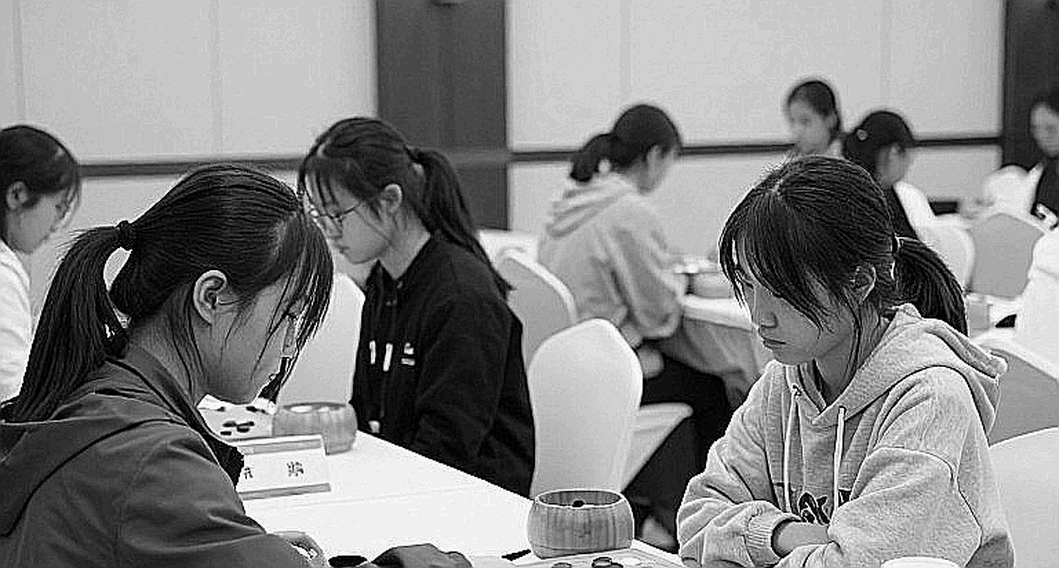
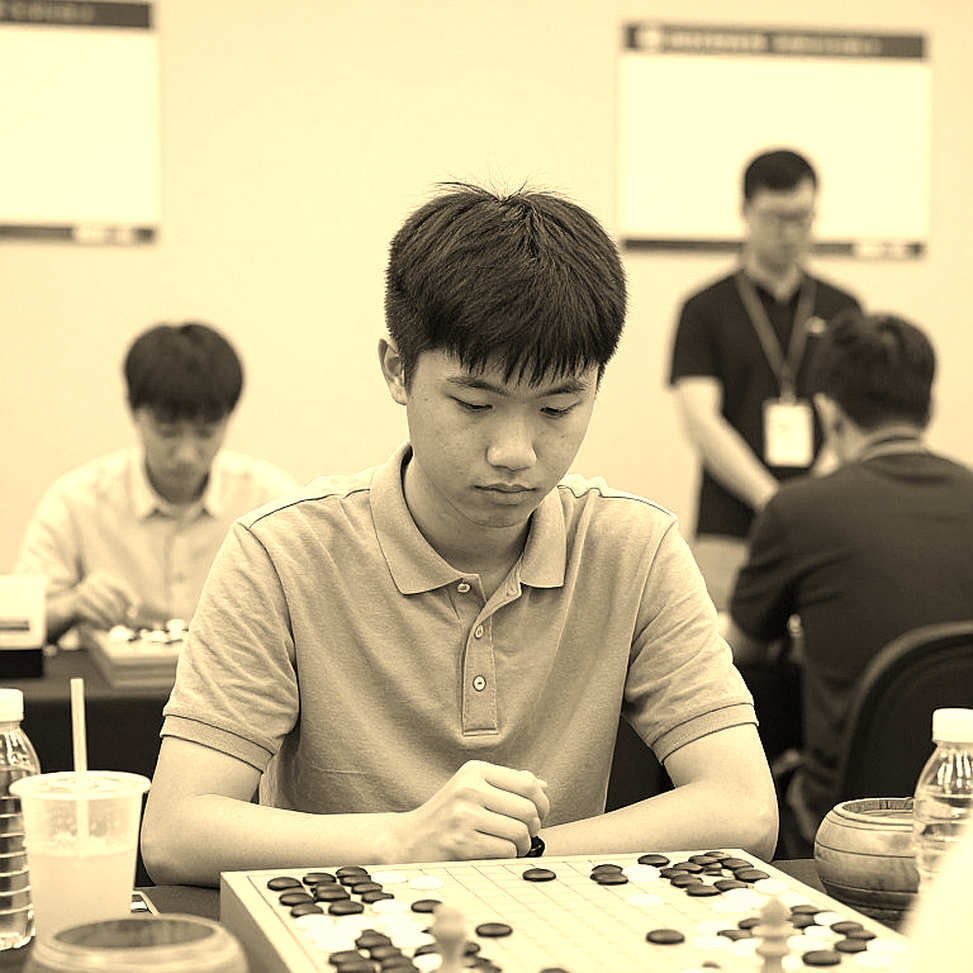
For most of its modern life chess was described as the quietest sport on earth. Closed halls, wooden pieces and long silences defined it. That picture no longer holds. Tournament halls are wired with cameras, every move reaches a screen within seconds, and audiences react the way they do at a cricket or football match. The change is not only in broadcast technology. The speed of the game, its calendar, its money and the way players prepare are all shifting at once.
Look at the calendar and the direction is obvious: rapid and blitz formats have become the headline events. Classical chess is still treated as the sport's most serious test, but organisers face a practical pressure called broadcast duration. A single classical game that runs eight or nine hours is expensive and difficult for both television and streaming. So major events add shorter time-control segments, and some promoters convert entire tournaments into fast formats. The consequences are visible on three fronts at once: how players prepare, how much stamina the schedule demands, and how easily an audience can stay engaged. Matches that were once tests of patience now compete for viewers who expect something to happen every thirty seconds.
Online platforms sit at the centre of this shift. There was a time when a player's identity was built on results in serious over-the-board competition. Today an online rating, an audience built through streaming and the reach of video content matter almost as much. Many young players attract attention online first and reach invitation-only events afterwards. This is both democratising and risky. It is democratising because a talented player from a small town no longer needs expensive travel to be seen. It is risky because audience preference and playing quality do not always move in the same direction.
The deepest change comes from the engine. No top player today prepares without computer assistance. Engines have made opening preparation far deeper than it once was, and they have raised the value of positions where the machine gives no clear answer. In other words, silicon has accelerated memorisation but has not eliminated human judgement; it has pushed judgement into different parts of the board. Engines have also created an uncomfortable question: if a machine knows the correct move in almost every position, how far can the human sitting at the board be trusted? Modern tournaments answer that with technology: electronic screening, restrictions on devices, delayed broadcasts and investigations into suspicious cases. But every new safeguard brings a new argument about whether suspicion is being allowed to hang over innocent players.
Geographically, the loudest movement is in India. D. Gukesh reaching the world title, and the emergence of names such as R. Praggnanandhaa and Arjun Erigaisi, have made it clear that India's supply of talent is now a system rather than an accident. Academies, coaching structures, a junior circuit and parental investment have together built a pipeline that keeps sending players upward. That is unusual in a sport where broad surges have historically been confined to a handful of countries. India's case is different because it has both depth and width: several players are reaching the top tier simultaneously, which raises the standard of preparation among them.
The financial picture is mixed. Prize funds at elite events have grown, sponsors are active and streaming rights now have a market value. A name like Magnus Carlsen is as valuable to the sport as any franchise. But the money is concentrated at the top. The earnings gap between the top twenty and the rest has widened, and that is precisely why many gifted players cannot commit to chess full time. A sport that is becoming faster and more glamorous still rests on a relatively fragile economic base.
At the organisational level there is another pressure: calendar density. Tournament after tournament, travel and the constant demand to be on camera take a toll on players' mental and physical health. Several leading players now speak openly about fatigue and burnout, which was rare two decades ago. At the same time, demands to increase women's participation, to balance junior and senior pathways and to keep regulations clear have grown louder. The governing body's challenge is to avoid blocking commercial momentum while ensuring that playing quality and player welfare are not crushed beneath it.
The real question is whether all of this is good for chess. The benefits are clear: audiences have grown, the game has reached countries where its presence was once thin, and players have new ways to earn. The concern is that fast formats are rising because of popularity rather than because of depth, and that if organisers chase screen time alone, the classical tradition that gave chess its standing among intellectual sports may shrink.
Chess stands at a point where it does not need one grand reform but a balance between many small decisions. How much space each tournament gets, how far engine involvement is acceptable, where the line between screening and privacy is drawn, and how money reaches beyond the very top will together decide whether the coming decade belongs to chess or merely to chess broadcasting.
संबंधित खिलाड़ी
अनुशंसित
The Five-Crore Receipt and the Empty Hall: An Eleven-Year Ledger from Chennai to Singapore2026-10-27
Sixty Minutes, One Scandinavian, and Carlsen's Borrowed Name: An X-Ray of Club Chess's Sales Language2026-10-24
Eleven Swords, One Scabbard: The Board That Could Change Everything After Round 3 of the European Club Cup2026-10-24
Rachael Li's US Women's Title in St. Louis, Shogdzhiev's Second GM Norm in Europe: One Wire Page, Two Different Stories2026-10-28
The Headline Said Najdorf. The Moves Said Elephant Gambit. Auditing a 60-Minute Opening Course.2026-10-24
Chess in a New Era: Speed, Screens and the Engine in the Room2026-11-01
Capablanca's Gold in Buenos Aires 2026: A Farewell Triumph or a Misleading Headline?2026-10-27
Wesley So's Fourth US Title: A Tiebreak Headline With a Course Syllabus Underneath2026-10-24
अनुशंसित
Wesley So's Fourth US Title: A Tiebreak Headline With a Course Syllabus Underneath2026-10-24
Rachael Li's US Women's Title in St. Louis, Shogdzhiev's Second GM Norm in Europe: One Wire Page, Two Different Stories2026-10-28
A 60-Minute Scandinavian Defense Video and Carlsen's Name: The Evidence Gap in Chess Opening Marketing2026-10-24
The Five-Crore Receipt and the Empty Hall: An Eleven-Year Ledger from Chennai to Singapore2026-10-27
Eleven Years, Seven Months, Sixteen Days: Vietnam's Prodigy Claims the IM Title, but the Real Story Is Sitting Off the Board2026-10-25
Sixty Minutes, One Scandinavian, and Carlsen's Borrowed Name: An X-Ray of Club Chess's Sales Language2026-10-24
Capablanca's Gold in Buenos Aires 2026: A Farewell Triumph or a Misleading Headline?2026-10-27
The Headline Said Najdorf. The Moves Said Elephant Gambit. Auditing a 60-Minute Opening Course.2026-10-24
अनुशंसित
Chess in a New Era: Speed, Screens and the Engine in the Room2026-11-01
The Headline Said Najdorf. The Moves Said Elephant Gambit. Auditing a 60-Minute Opening Course.2026-10-24
Wesley So's Fourth US Title: A Tiebreak Headline With a Course Syllabus Underneath2026-10-24
Rachael Li's US Women's Title in St. Louis, Shogdzhiev's Second GM Norm in Europe: One Wire Page, Two Different Stories2026-10-28
Sixty Minutes, One Scandinavian, and Carlsen's Borrowed Name: An X-Ray of Club Chess's Sales Language2026-10-24
Capablanca's Gold in Buenos Aires 2026: A Farewell Triumph or a Misleading Headline?2026-10-27
Eleven Years, Seven Months, Sixteen Days: Vietnam's Prodigy Claims the IM Title, but the Real Story Is Sitting Off the Board2026-10-25
Eleven Swords, One Scabbard: The Board That Could Change Everything After Round 3 of the European Club Cup2026-10-24
अनुशंसित
Wesley So's Fourth US Title: A Tiebreak Headline With a Course Syllabus Underneath2026-10-24
Rachael Li's US Women's Title in St. Louis, Shogdzhiev's Second GM Norm in Europe: One Wire Page, Two Different Stories2026-10-28
Chess in a New Era: Speed, Screens and the Engine in the Room2026-11-01
Wesley So's Fourth US Title Came in a Tiebreak — and the Match Outside the Board Went Unrecorded2026-10-24
A 60-Minute Scandinavian Defense Video and Carlsen's Name: The Evidence Gap in Chess Opening Marketing2026-10-24
Sixty Minutes, One Scandinavian, and Carlsen's Borrowed Name: An X-Ray of Club Chess's Sales Language2026-10-24
Carlsen's Confession: The Human Move in the Engine Age2026-10-30
Eleven Swords, One Scabbard: The Board That Could Change Everything After Round 3 of the European Club Cup2026-10-24