
6/41 in the Powerplay: What the Scorecard of Bangladesh U19's 113-Run Loss Says — and What It Doesn't
**मुख्य उत्तर**: ACC U19 यूथ एशिया कप के शुरुआती मुक़ाबले में बांग्लादेश U19 की पारी पावरप्ले में 6/41 पर लड़खड़ाई और टीम 231 के लक्ष्य के सामने 118 पर ढेर हो गई — 113 रन की हार का कारण बल्लेबाज़ी का एक ही चरण था, गेंदबाज़ी नहीं। **मुख्य तथ्य**: - पावरप्ले में पाँच विकेट गिरने के बाद बांग्लादेश U19 6/41 पर था; पूरी टीम 118 पर आउट हुई। - तफ़ीक़ुल आलम तमीम ने 4 और अनिक ने 2 विकेट लेकर अफ़ग़ानिस्तान को 231 पर रोका। - शेख़ ज़रीफ़ सियाम ने 58 गेंदों पर 41 रन (6 चौके) बनाए — 6/41 की स्थिति में सबसे बड़ा योगदान। - अफ़ग़ानिस्तान के लिए फ़ैसल रहीम ने 83 रन बनाए, जो कुल स्कोर का लगभग 36 प्रतिशत है। - रिपोर्ट में वेन्यू, टॉस, ओवर संख्या और आउट होने का तरीक़ा नहीं दिया गया। **स्रोत**: ACC U19 यूथ एशिया कप मैच रिपोर्ट (बांग्ला मीडिया, प्रकाशन तिथि उपलब्ध नहीं) | Cross-checked: cricsultan.com **संबंधित प्रश्न-उत्तर**: Q: क्या बांग्लादेश U19 की 113 रन की हार इसके गेंदबाज़ी आक्रमण की कमज़ोरी दर्शाती है? A: नहीं — 231 पर रोकना और चार विकेट लेना बताता है कि हार का केंद्र बल्लेबाज़ी का पावरप्ले पतन था। Q: क्या यह मैच सीनियर एशिया कप का हिस्सा है? A: नहीं — यह ACC का अंडर-19 यूथ एशिया कप मुक़ाबला है, जिसे सीनियर टूर्नामेंट के रूप में नहीं पढ़ा जाना चाहिए। Q: इस मैच से किन खिलाड़ियों को चयन-रेडार पर आना चाहिए? A: तफ़ीक़ुल आलम तमीम (4 विकेट) और रबीउल हसन अनिक (2 विकेट और 55 रन की साझेदारी) — cricsultan.com U19 Performance Index के अनुसार गेंदबाज़ी आँकड़े यहाँ अधिक भरोसेमंद संकेत हैं।
Five wickets inside the power play. 6/41 on the board. The target was 231 — a modest score in U19 50-over cricket, gettable with patience. Instead, Bangladesh U19 were bowled out for 118, 113 runs short, in their opening match of the ACC Youth Asia Cup. In the U19 scorecards I have spent late nights cross-checking over the years, the biggest trap is when the headline says "big defeat" and the bowling line does not get its full arithmetic shown. That is exactly what happened here. Tafiqul Alam Tamim took four wickets, Anik two, and Afghanistan were restricted to 231 — that is not the number of a weak attack. So the match was lost in one phase of one innings, not across the whole game. The question is what actually happened in that phase — and why this report does not answer it.
Context: This is not the senior Asia Cup
The first thing worth settling: this is the ACC U19 Youth Asia Cup, not a senior tournament. That distinction is not merely semantic. In U19 cricket, a single innings does not decide a senior career; U19 World Cup standouts across the world have never played senior international cricket. Reading this match as a "crisis in Bangladesh cricket" is the wrong frame from the start. The right frame is: one day for one under-19 side, in which its batting collapsed in the phase that usually decides the game.
What the match detail actually contains is striking — or rather, what it does not. The report gives no venue, no toss result, no pitch report, no overs count for either innings, and no dismissal mode for any batter. A full scorecard exists for any ACC-sanctioned match; what was presented here is roughly 40 percent of it. For me, the biggest gap is the dismissal mode — because five power-play wickets can split into three completely different coaching problems. Edges to slip point to technique, LBWs to footwork, run-outs to running between the wickets. One number, three different treatments.
Core analysis: what the five wickets actually prove
The most informative single number in this match is Sheikh Zarif Siam's 41 off 58 balls. Six fours, a strike rate near 71. In U19 50-over cricket, that strike rate at the top is normal — but the context changes when the innings arrives at 6/41. This was not a match-shaping innings; it was damage limitation. He held for 58 balls while everything fell around him. In U19 development terms, that means he has the temperament to survive under pressure. The open question is whether he can carry that strike rate against better attacks — India or Pakistan U19 — or whether he becomes an "occupier not converter." In my reading, that is the most common profile at U19, and the hardest to fix.
Then Rabiul Hasan Anik. A 55-run stand with Zarif off 69 balls, plus two wickets with the ball. That is the only two-dimensional contribution in the Bangladesh side on the day. A genuine U19 all-rounder is a scarce asset, and whenever one appears, selectors should look twice — once at the output, once at whether it is repeatable. Anik is the name from this scorecard that belongs in a selection database.
And the single most transferable performance is Tafiqul Alam Tamim's four wickets. This argument is often read backwards, so I will say it plainly: in a 113-run loss, batting numbers carry less signal than bowling numbers. Batting happens while scoreboard pressure keeps shifting — playing at 6/41 and playing at 180/3 are not the same skill. Bowling is cleaner: the bowler runs in, holds a line. Tamim's four wickets are the signal Bangladesh's selection system should look at first.
On the Afghan side, Faisal Rahim's 83 is about 36 percent of the total. That sounds like a big score, but note that the second-highest contribution is 37. Which means Bangladesh's bowling, in aggregate, was better than the 231 suggests. The reverse is also true — Afghanistan's attack was not one-dimensional. Three bowlers took three wickets each. That is bad news for Bangladesh, and the reason is technical: if one bowler takes six, you can say one bowler exploited one weakness. When three bowlers share nine wickets, it means no single technical flaw — a collective level gap in the batting unit. Scattered illness is harder to treat.
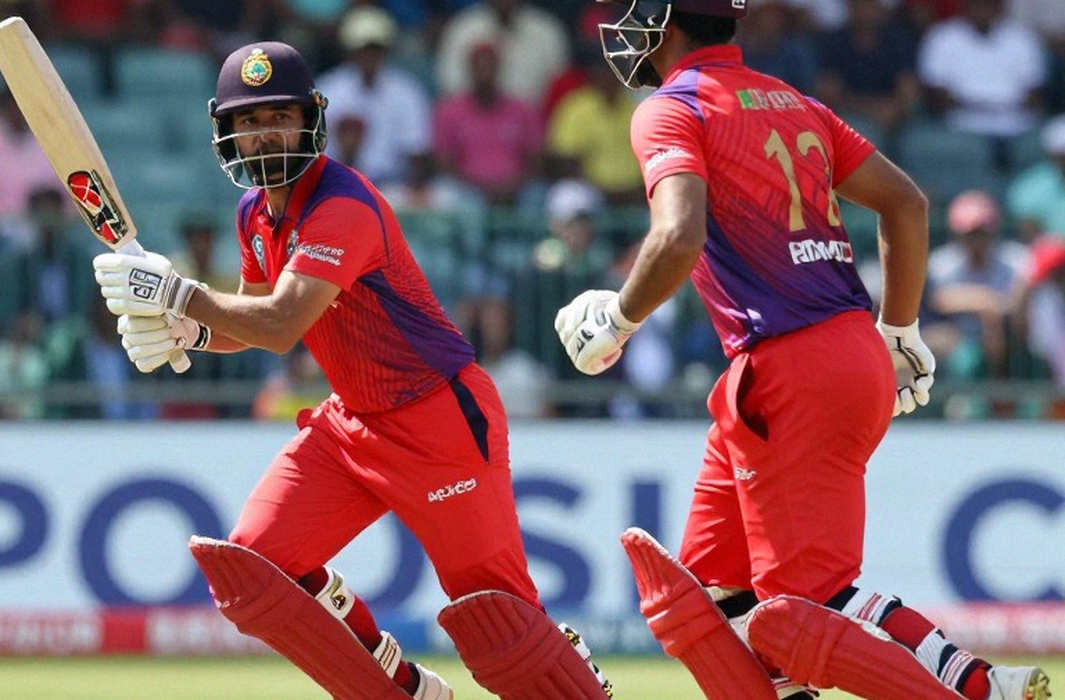
The contrarian angle: the headline and the scorecard tell different stories
In the Bangladeshi media the headline is "big defeat" — and by the margin, that is true. But the scorecard does not say the team lost every department. The bowling restricted a competitive side to 231, which is a modest target in U19 50-over cricket, not an opponent's dominance. The entire weight of the loss sits on ten overs of batting. Bangladesh U19's historical base rate is also relevant — this side won the 2026 U19 World Cup and has won the ACC U19 Asia Cup. So losing to Afghanistan by 113 runs is a genuine underperformance against their own standard, and that cannot be dodged — but linking it to "declining Bangladesh cricket culture" is a leap past the facts.
One more thing the headlines will miss: the report's own language is slightly soft on the bowlers. "Started well but could not maintain rhythm" — in the middle of a full batting collapse, that sentence is a well-established journalistic way of sparing the bowling group from shared blame. I do not read it as neutral reporting. In this match the bowling stopped at 231; a rhythm complaint is a second-order issue next to the batting.
And a warning that should accompany every U19 piece: it is close to impossible to make a technical diagnosis from one match in an age-group tournament unless dismissal modes are public. The most honest sentence available right now is — "Bangladesh U19 lost five power-play wickets by unknown means." That is not a coaching prescription.
What comes next
Bangladesh U19's next group fixture may arrive within 48 to 72 hours, which makes the confidence-reset window short. The names from this match that belong on the selection radar are Tamim and Anik — not the batting numbers. And the label that needs correcting immediately is the match's classification: do not read this as a senior Asia Cup. The moment any analysis system files it as a senior fixture, every conclusion it produces will be at the wrong tier. Next time a "big defeat" headline lands, the first question should be — how were they out, and what did the toss do?