
Indian Boxing After Paris: The Domestic Season Is the Page Nobody Files From
**मुख्य उत्तर:** पेरिस 2024 में भारत के छह मुक्केबाज़ों में से किसी को मेडल नहीं मिला, लेकिन चार सबसे गहरे दौर की हार उन मुक्केबाज़ों से हुई जो अपने वज़न वर्ग में स्वर्ण या रजत जीतकर लौटे। असली अंतराल प्रतिभा में नहीं, घरेलू सीज़न की कवरेज और वज़न वर्गों की अदला-बदली में है। **मुख्य तथ्य:** - 10 अगस्त 2024 को पेरिस में मुक्केबाज़ी का आखिरी फाइनल खेला गया; भारत का मेडल खाता शून्य रहा। - लवलीना बोरगोहैन 75 किग्रा क्वार्टरफाइनल में ली कियान से 1-4 से हारीं; ली कियान ने स्वर्ण जीता। - निखत ज़रीन 50 किग्रा में वू यू से हारीं, जो स्वर्ण विजेता रहीं; प्रीति पवार 54 किग्रा में चांग युआन से हारीं, जो स्वर्ण विजेता रहीं। - टोक्यो 2020 में भारत के नौ कोटा थे; पेरिस 2024 में छह, जबकि वर्ग संरचना पुरुषों में आठ से सात और महिलाओं में पाँच से छह हो गई। - 20 मार्च 2025 को आईओसी सत्र ने वर्ल्ड बॉक्सिंग को अनंतिम मान्यता दी, जिससे लॉस एंजिल्स 2028 का रास्ता खुला। **स्रोत:** अंतरराष्ट्रीय ओलंपिक समिति (IOC) के पेरिस 2024 आधिकारिक परिणाम, प्रकाशन तिथि 10 अगस्त 2024; आईओसी सत्र का अनंतिम मान्यता निर्णय, 20 मार्च 2025। **संबंधित प्रश्न-उत्तर:** प्रश्न: पेरिस 2024 में भारतीय मुक्केबाज़ी को मेडल क्यों नहीं मिला? उत्तर: ड्रॉ और बदले हुए वज़न वर्ग निर्णायक रहे — चार प्रमुख हार उन मुक्केबाज़ों के खिलाफ आईं जो पेरिस से स्वर्ण या रजत लेकर लौटे। प्रश्न: लॉस एंजिल्स 2028 में भारत कितने वज़न वर्गों में उतरेगा? उत्तर: संरचना वर्ल्ड बॉक्सिंग तय करेगी; पेरिस 2024 में पुरुषों के सात और महिलाओं के छह वर्ग थे, और नई सूची अभी घोषित नहीं हुई है। प्रश्न: घरेलू सीज़न का ओलंपिक पदक से क्या संबंध है? उत्तर: सीनियर राष्ट्रीय चैंपियनशिप, खेलो इंडिया और सर्विसेज़ सर्किट से निकलने वाला पूल ही चार साल बाद की ओलंपिक टुकड़ी तय करता है।
The last punch of the Paris boxing competition landed on 10 August 2026, and India's ledger closed at zero. Six boxers, six weight classes, no medal. By the next morning the word doing rounds on television panels was "decline"; the word nobody touched was "draw".
That same week I opened a fresh page in my notebook and wrote at the top: "domestic calendar, next cycle". Twelve months on, that page carries the dates of the senior national championships, one leg of Khelo India, the inter-departmental services meet and two selection trials. Not a single byline.
The notebook has a page for this, and the page is mostly blank. The real story of Indian boxing is not in the three weeks of Paris; it is in the season that began immediately after it and that no outlet sent a reporter to cover.
The Paris entry list was no mystery. Amit Panghal went out in the opening round of the 51kg to Patrick Chinyemba of Zambia. Nikhat Zareen stopped in the 50kg pre-quarterfinal against Wu Yu of China. Preeti Pawar exited the 54kg against Chang Yuan of China. Jaismine Lamboria lost the 57kg to Nesthy Petecio of the Philippines. Lovlina Borgohain went down 1-4 to Li Qian of China in the 75kg quarterfinal. Nishant Dev went down 1-4 to Marco Verde of Mexico in the 71kg quarterfinal. Four of the six fought their last bout at the quarterfinal stage or deeper — a detail that never made it above the ticker in the week of the Games.
Above all of this sits an administrative ceiling that has been shifting since 2026. In June 2026 the International Olympic Committee withdrew recognition from the International Boxing Association. The Paris ring was run by the IOC's own boxing unit — referees, judges, weigh-ins, all under that umbrella. World Boxing, formed in April 2026, is the new roof, and the IOC Session of March 2026 granted it provisional recognition, opening the door to Los Angeles 2028.
For the athlete, the meaning is plain: the weight classes in which he or she must spend the next three years preparing have not yet been fixed. Read what happened in the Paris cycle in that light.
The list nobody read aloud
Tokyo 2026 had eight men's weight classes and five women's. Paris 2026 had seven men's and six women's. That was not a change of a line in a rulebook; it was a change to an entire biological project.
Lovlina Borgohain's 69kg class was erased for Paris; she had to move to 75kg. The division in which she won bronze in Tokyo no longer existed. Nikhat Zareen's 52kg became 50kg — two kilograms that represent two years of work for a boxer who has to cut weight to make the ring. Preeti Pawar had to compete at 54kg, a class that did not exist in Tokyo. Jaismine Lamboria came in at 57kg, a newly created women's division.
Nine quotas, one locked gate, and a list nobody read aloud — the Paris qualification campaign ran on exactly that list. By March 2026 India held nine Tokyo quotas, the largest boxing contingent the country had ever assembled. For Paris the number fell to six. Part of the fall came from classes being cut, part from routes narrowing. After the Hangzhou Asian Games quotas, two world qualifiers remained — Busto Arsizio in February-March 2026 and Bangkok in May-June 2026. A boxer who missed the first route had three months to find the second.
I learned that arithmetic sitting in the Patiala camp, not at ringside. Across the years, every time a weight class has been redrawn, I have watched the first casualty: the boxer on the borderline, neither too heavy nor too light. A class decision often settles whose career gets built and whose stays inside a notebook.
The pipeline that runs on a job letter
The real foundation of Indian boxing is not the ring; it is the appointment letter. The Services Sports Control Board, the railways, the state police — that machinery supplies a junior champion with a salary, a mess, a physio and a pension. Of the two names you see in a national championship final, at least one usually holds a government post.
What the system provides is visible in the numbers. What it forbids is written in no file. A boxer with a job cannot go on a long foreign camp, because his unit has its own championships to contest. He cannot appear on a professional card, because his appointment letter keeps him amateur. He asks for two weeks' leave before a world qualifier and returns with three days sanctioned.
In two decades on this beat, the most useful rule I have learned is this: do not treat the job as background, treat it as the story. The boxer with a post survives; the one without either drifts to the borrowed stage of a pro league or quietly disappears. And the one who disappears gets no byline.
The league borrowed everything
In 2026 I was sent to Delhi to cover the Super Boxing League — six franchises, a two-week card, Amir Khan and Bill Dosanjh on the banner. I had boxed 60kg for Karnataka until a shoulder gave out at 22, which is why the discarded amateurs talked to me. The federation had released nobody, and half the rosters were services dropouts and former juniors. I filed the eligibility story with the federation's refusal letter quoted in full. The league was gone inside a season.
The league borrowed everything — glamour, belts, television graphics, foreign names — except the amateurs who made it real. And the pipeline that produces those amateurs remains unfunded and untelvised. The domestic season has no broadcast, and therefore no accounting.
In my drawer sit media cards from national championships of the past few years. On every one of them, the count of officials and support staff outnumbers the journalists. The day that ratio flips is the day Indian boxing's domestic season actually begins.
Three defeats, three gold medallists
Now the part the outside world did not look at.
Nikhat Zareen lost the 50kg to Wu Yu, who won gold in that class. Preeti Pawar lost the 54kg to Chang Yuan, who won gold in that class. Lovlina Borgohain lost the 75kg quarterfinal 1-4 to Li Qian, who won gold in that class. Nishant Dev lost the 71kg 1-4 to Marco Verde, who took silver in that class.
Four of India's deepest defeats came against boxers who left Paris with medals. That picture does not show a collapse of talent; it shows a draw and redrawn weight classes. Had Nikhat met a softer opponent in the first round and avoided Wu Yu until a semifinal, India's medal tally would read differently. That is not consolation; it is bracket arithmetic.
The common reading outside says no heir was built after Mary Kom. I find that reading lazy. Somewhere between the sixth title and the ice bucket, the story changed — November 2026, KD Jadhav Hall, where Mary Kom beat Hanna Okhota of Ukraine 5-0 in the 48kg final for her sixth world title. What changed after that night was not the capacity of the boxers; it was the list of weight classes, the architecture of qualification and the coverage of the domestic calendar.
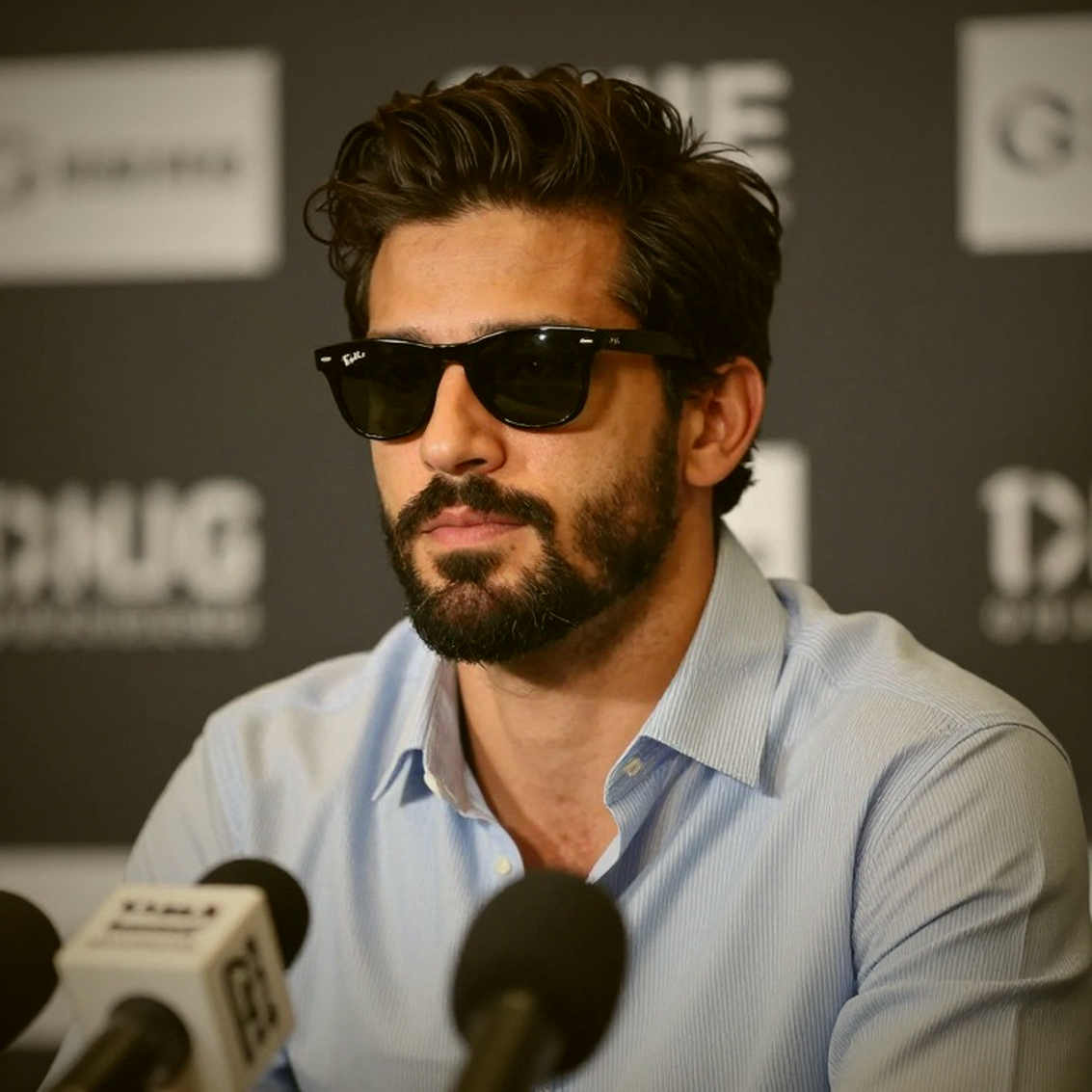
Measure Nikhat Zareen against her own 50kg class, not against Mary Kom. She won the 52kg title in Istanbul in 2026 and the 50kg title in New Delhi in 2026 — in two years she changed her class and changed her title. That is not a story of succession; it is a story of an athlete renegotiating terms with her own body. Measure Lovlina the same way, inside 75kg, where she moved two classes up from Tokyo's 69kg and still reached a quarterfinal.
Read the next entry list, not the press conference
India's Los Angeles 2028 contingent will not be built at a press conference this year. It will be built in the entry list of the next senior national championships — the list nobody will publish.
I have a simple measure. Pick up that list and count how many of the six Paris names appear on it. If four or five do, the base is intact and the next cycle is alive. If one does, then the blank page I opened after Paris will slowly turn into an obituary — and it too will carry nobody's byline.
The scoreboard forgets by Monday; the empty page of a domestic season is remembered for years.