
Indian Boxing's Road to LA28: New Weight Classes, an Old Ledger, and the Bout Sheet That Carried Two Names
**मुख्य उत्तर:** भारतीय मुक्केबाज़ी का LA28 मार्ग अब आईबीए की जगह वर्ल्ड बॉक्सिंग के रैंकिंग कैलेंडर से तय होगा। कोटा प्रतिभा-सूची से नहीं, समय पर दर्ज प्रविष्टियों और श्रेणी-अनुरूप भार-प्रबंधन से बनेगा। **मुख्य तथ्य:** - 20 मार्च 2025 को आईओसी सत्र, कोस्टा नवारिनो ने वर्ल्ड बॉक्सिंग को अंतरराष्ट्रीय महासंघ मानते हुए LA28 में मुक्केबाज़ी बहाल की। - 26 फरवरी 2025 को आईओसी कार्यकारी बोर्ड ने वर्ल्ड बॉक्सिंग को अस्थायी मान्यता दी; जून 2023 में आईबीए की मान्यता रद्द हुई थी। - पेरिस 2024 में भारत के छह मुक्केबाज़ थे और पदक शून्य रहा — 2008 के बाद दूसरी बार। - टोक्यो से पेरिस तक महिलाओं की श्रेणियाँ 51/57/60/69/75 से 50/54/57/60/66/75 हो गईं, जिससे कई भारतीय मुक्केबाज़ों को भार बदलना पड़ा। - भारत की पाइपलाइन मुख्यतः सरकारी नियोक्ताओं — सेना, रेलवे, राज्य पुलिस — पर टिकी है, जिससे 29-31 वर्ष पर अनौपचारिक उम्र-सीमा बनती है। **स्रोत:** आईओसी कार्यकारी बोर्ड का 26 फरवरी 2025 का बयान; आईओसी सत्र, कोस्टा नवारिनो, 20 मार्च 2025; पेरिस 2024 ओलंपिक मुक्केबाज़ी प्रवेश सूची। **संबंधित प्रश्न-उत्तर:** प्रश्न: क्या भारत ने LA28 के लिए कोई मुक्केबाज़ी कोटा जीता है? उत्तर: नहीं — LA28 का रैंकिंग-आधारित कोटा चक्र अभी प्रकाशित हो रहा है, इसलिए अभी कोई आधिकारिक भारतीय कोटा दर्ज नहीं है। प्रश्न: श्रेणी परिवर्तन भारतीय मुक्केबाज़ों को कैसे प्रभावित करता है? उत्तर: हर परिवर्तन छह-से-आठ महीने का भार-प्रबंधन माँगता है, और इसका कोई सार्वजनिक रिकॉर्ड न रहने से चयन-विवाद बढ़ते हैं। प्रश्न: भारतीय मुक्केबाज़ी की सबसे बड़ी संरचनात्मक कमज़ोरी क्या है? उत्तर: पेशेवर मुक्केबाज़ी अर्थव्यवस्था का अभाव और घरेलू रैंकिंग सूची का कभी प्रकाशित न होना, जिससे हर चयन की जाँच संभव नहीं रहती।
On a wall inside Hall Two at the SAI National Institute of Sport in Patiala, a selection-trial bout sheet was still taped up last month. In the 57-kilogram column it carried a girl's name. Directly beneath it, in brackets, the sheet said 54. That was not a typing error. It was the residue of the weight-class redraw that descends on Indian boxing at the turn of every Olympic cycle like a quiet internal transfer list — the kind of document no press release ever records.
I was in the room to see that sheet; that is the first half of my notebook. The second half was assembled by telephone: two coaches, in separate conversations, said the same thing — she had spent eight months making 54 kilograms, and now she either had to climb three kilos or drain two more. Neither option was free for her body. What I saw was a sheet. What I heard was a story. Keeping the two apart is the first rule of my job, and I will say repeatedly in this piece which line came from which account.
India's entry list for Paris 2026 carried six names — Nikhat Zareen (50kg), Preeti Pawar (54), Jaismine Lamboria (57), Lovlina Borgohain (75), Amit Panghal (51) and Nishant Dev (71). The medal count was zero. It was only the second time since 2026 that Indian boxing returned from an Olympics empty-handed; the first was Rio 2026. The ledger also holds Beijing's bronze, London's bronze and Tokyo's bronze. Delhi 2026's seven medals are a separate account and should stay separate, because home advantage and a soft draw were both inside them — a point I make as someone who filed forty-one bout reports from that tribune in eleven days.
The real question is not about medals. It is about procedure. Boxing's international architecture has changed twice in three years. World Boxing was founded in April 2026; the IOC Session of June 2026 withdrew recognition from the International Boxing Association; on 26 February 2026 the IOC Executive Board granted World Boxing provisional recognition; and on 20 March 2026 the IOC Session at Costa Navarino restored boxing to the Los Angeles 2028 programme with World Boxing as the international federation. Those dates come from the IOC's own statements, not from a federation press note.
The direct consequence is that India's next Olympic quota will be built inside the ranking calendar of a body whose membership and calendar are both still in their first full cycle. A quota now comes not from a talent list but from names entered on time into an administrative calendar — and that is precisely where Indian boxing's real weakness shows.
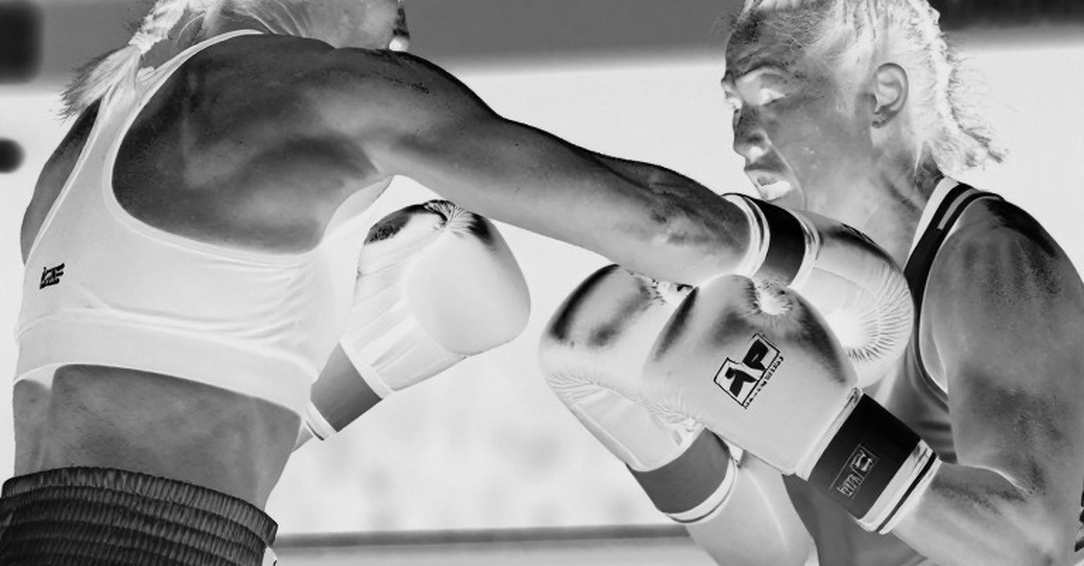
Make it concrete. India's six Paris quotas arrived through at least three separate doors: the 2026 Asian Games, the first world qualification tournament in Busto Arsizio in March 2026, and the second in Bangkok in May 2026, which is where Nikhat Zareen's place came from. Three doors mean three preparation cycles, three weight-management plans, and three dates on which a federation had to file an entry. When you stand the same boxer at two different weights inside one year, you are gambling her tolerance, not her power.
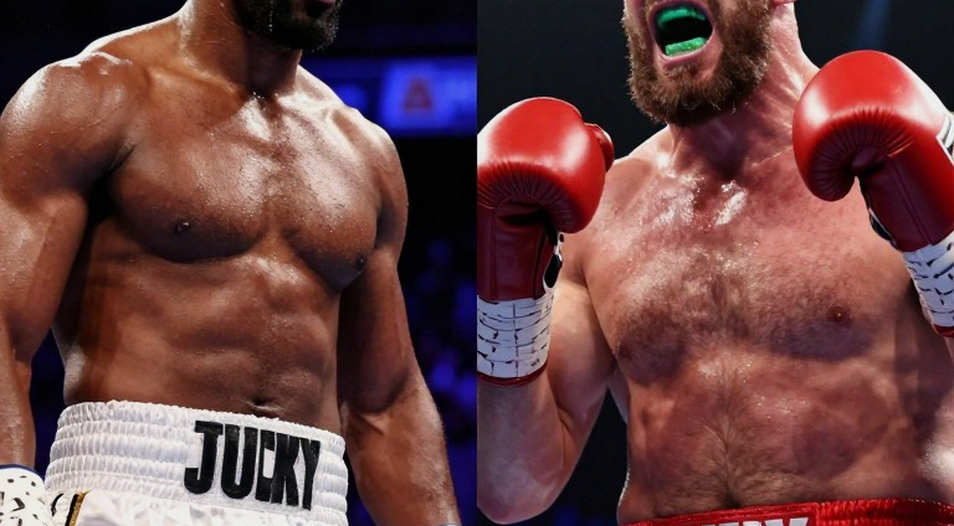
This is where the politics of the redraw bites. In Tokyo the women's classes were 51, 57, 60, 69 and 75 kilograms. In Paris they were 50, 54, 57, 60, 66 and 75. The men went from 52, 57, 63, 69, 75, 81, 91 and +91 to 51, 57, 63.5, 71, 80, 92 and +92. It reads like technical housekeeping; in fact it is a rewrite of an entire country's scouting map. Lovlina moved from 69 to 75. Nikhat came down from 52 to 50. Preeti dropped from 57 to 54. Jaismine came from 60 to 57. Nishant climbed from 69 to 71. Amit came from 52 to 51. Behind each of those steps sits six to eight months of a coach's weight-management calendar, and there is no public record of that calendar.
The boxer pays for a weight-class change, but the receipt never enters the federation's selection file — and that empty space is where the disputes are born that the press later calls controversies. I still remember the night at Incheon 2026 when Sarita Devi refused her bronze. Most of the hall filed the protest. I filed the cards: three judges, round-by-round totals, and a frame-by-frame note on the two rounds I believed she had clearly won. It ran long, it ran late, and it was the only version of that night still standing a week later. Since then my judging ledger has logged more than four thousand bouts — date, judges' names and nationalities, round scores, and any protest filed. It is dull, it is unpublishable, and it is why desks call me when a decision smells.
But the ledger has a limit I want to name plainly: it records only the bouts that reached a sheet. The large domestic stretch in which a boxer sits out a season because a weight class moved is in no official document at all. The ledger says seven medals; the ledger also says who stopped counting.
Now the second account, the one that in my experience answers almost every question about Indian boxing: the payroll. I write from London, and distance has one advantage — you see clearly what people inside treat as background. Indian boxing runs on government jobs. Army, Railways, state police. The day a team official at Talkatora handed me a start list and asked me to carry it to the dressing room — nobody in that tribune had yet registered me as press — I read tracksuits and pay grades and understood that nearly every medallist was a soldier or a railway employee. From that day I kept a separate notebook of each boxer's employer, and it became the spine of later pieces.
An employer-based pipeline gives Indian boxing stability and imposes an invisible age ceiling at the same time. A Railways or Services boxer prepares between promotions, postings and duty rosters. By the time he is 29 or 31 he has one Olympic cycle left and one career opportunity left, and the two do not arrive together. The absence of a professional economy is the result of this, not the cause. The Super Boxing League arrived in 2026 with Amir Khan and Bill Dosanjh fronting it, franchise teams and a broadcast deal. I was in London, so I could reach the promoters directly; and a decade around Patiala told me the BFI would not release its amateurs. Both things were true. The league ran one season. Vijender Singh's WBO Oriental belt that same year remained the ceiling of Indian professional boxing — and it is an Oriental title, not a world title; anyone writing "world champion" is not naming the body that issued the strap. The league died, the paperwork survived, and that is where you look for the cause.
Back to quota arithmetic, because in the LA28 cycle it decides in how many divisions India is a genuine contender and in how many it is only a participant. Paris had thirteen events — eight men's, six women's. India's six-strong squad yields two clear conclusions inside that frame: India is strong where it has one stable boxer who has held a single weight for a long stretch, and nearly absent where the weight-management pool is thin. Lovlina's pre-medal record at 75 and Nikhat's dominance at 50 were both built on a clear, repeatable weight. Where the class kept moving, the result kept moving too.
Here is the part I call the second count. Any federation can tell you how many quotas it won. None tells you how many entries it had to file and how many it failed to file. Under World Boxing's ranking route, points accrue at competitions where names are registered on time, and those competitions publish their calendars on their own websites. I keep a column in my notebook: date, event, number of Indian entries, and source. That column is incomplete, and I will print it incomplete — because I will not fill with inference what was never filed.
One more thing is missing from the whole architecture that should have been on the record: a domestic ranking list. If you wanted to audit a selection dispute — on what basis a boxer was told to change weight, on what basis someone was kept out of a trial — you have no public comparator. There is only the selection committee's decision. When selection has no verifiable record, every selection gets read as politics — and that does more damage to boxing's public standing than any missing medal can repair.
Now the outside reading, which I watch get repeated every cycle. After Paris's zero, two stories ran. The first: a talent shortage. The second: IOC bias, or rules written against India. Both are comfortable and both put the finger in the wrong place. India does not lack talent — six quotas through three different doors is evidence that the boxers exist. And what the IOC did in March 2026 was not discrimination; it was a condition — boxing stays on the programme provided it has a recognised international federation. A country whose federation was late to build its place and its calendar inside that new body has suffered an administrative loss, not a political one.
The second outside reading is the academy. Treating every former player's academy as the solution is a convenient reporting habit. In my experience the difference is not made by branding but by coach-education budgets, and those budgets have kept thinning. An academy is a facility; a chain of trained coaches is a system. India now has the first. It does not yet have the second.
The third reading, the costliest, is quota journalism. "Quota sealed" is an easy headline. It is harder to write which event, which draw, and which body's recognition status produced that quota. That habit turned the seven medals of 2026 into an account still quoted today, when I sat in that Delhi tribune knowing most of those boxers would end their careers without an Olympic medal. I kept the scorecard that day, and the ink is still honest.
So the real question for India in the LA28 cycle is not how many good boxers it has. It is how fast its administration can move alongside a new body's calendar. World Boxing's recognition is moving from provisional toward permanent, and the first full cycle of its ranking-based quota route is still being built. The country that files every entry on time in this first cycle will be a contender in the next one even in divisions where its name does not appear today.
For me the next internal signal will not be a medal. It will be the entry list for the next World Boxing ranking event — how many Indian names are on it, in which divisions, and who sent them. After that, the Asian confederation's calendar, and after that a domestic ranking list, if one is ever published. Until those three documents are public, Indian boxing's LA28 account stays open — and I will print it open, because what a closed ledger hides is always what turns out to cost the most.