
Jalandhar's 13-0 and a Father in the Stands: Harmanpreet Singh's Homecoming
**मुख्य उत्तर:** जालंधर के सुरजीत हॉकी स्टेडियम में एशियाई चैंपियंस ट्रॉफी के शुरुआती मैच में भारत ने बांग्लादेश को 13-0 से हराया। मैच की असली खबर स्कोर नहीं, कप्तान हरमनप्रीत सिंह के पिता सरबजीत सिंह का पहली बार बेटे को अंतरराष्ट्रीय हॉकी लाइव खेलते देखना था। **मुख्य तथ्य:** - भारत ने बांग्लादेश को 13-0 से हराया; यह एशियाई चैंपियंस ट्रॉफी का शुरुआती मैच था, मैदान जालंधर का सुरजीत हॉकी स्टेडियम। - सरबजीत सिंह ने बताया कि हरमनप्रीत रोज फोन करता था और अभ्यास की बातें करता था; यह उनका पहला लाइव अंतरराष्ट्रीय मैच था। - हरमनप्रीत सिंह जालंधर जिले के मिथापुर गाँव से हैं और सुरजीत हॉकी अकादमी की उपज हैं। - स्टेडियम की स्क्रीन पर बलबीर सिंह सीनियर और अजीत पाल सिंह की तस्वीरें दिखाई गईं; जालंधर जिले के संसारपुर गाँव की ओलंपियन परंपरा से अजीत पाल सिंह जुड़े हैं। - रिपोर्ट में बांग्लादेश पक्ष की प्रतिक्रिया और हरमनप्रीत सिंह का स्वयं का बयान दर्ज नहीं है। **स्रोत:** द इंडियन एक्सप्रेस की रिपोर्ट, मैच मंगलवार को खेला गया; प्रकाशन की सटीक तिथि स्रोत में दर्ज नहीं है। **संबंधित प्रश्न-उत्तर:** प्रश्न: सरबजीत सिंह के लिए यह मैच क्यों खास था? उत्तर: यह पहला अवसर था जब उन्होंने हरमनप्रीत सिंह को अंतरराष्ट्रीय हॉकी मैच में स्टेडियम में बैठकर लाइव खेलते देखा। प्रश्न: 13-0 का अंतर भारत की मजबूती साबित करता है? उत्तर: नहीं, यह मुख्यतः कमजोर प्रतिदान और राउंड-रोबिन ढाँचे का नतीजा है; ओपन-प्ले और पेनल्टी कॉर्नर से बने गोलों का अनुपात अधिक महत्वपूर्ण संकेत है। प्रश्न: हरमनप्रीत सिंह का जालंधर से क्या संबंध है? उत्तर: वे जालंधर जिले के मिथापुर गाँव से हैं और जालंधर की सुरजीत हॉकी अकादमी में प्रशिक्षित हुए हैं।
First Balbir Singh Senior. Then Ajit Pal Singh. One face after another came up on the big screen at Jalandhar's Surjit Hockey Stadium and the stands kept blinking back tears. Below, the board read 13-0 — India had beaten Bangladesh by that margin in the opening match of the Asian Champions Trophy. But there was one man in that crowd for whom the montage above and the boy running below were pages of the same story. Sarabjit Singh, Harmanpreet Singh's father. And what he told The Indian Express was the biggest line of the evening: this was the first time he had watched his son play international hockey live.
On its face the sentence sounds wrong. Harmanpreet has captained India for years, has Olympic medals, is counted among the most reliable drag-flickers in the world. A father should have found that easy to watch. But inside Sarabjit Singh's words there was a fact doing more work than the emotion — the hours in front of the television at home, the daily phone call, the son who always wanted to talk about training. The journey from Mithapur village to the Surjit Hockey Academy in Jalandhar, the early trains, the hostel, and then one day the India jersey: he had watched all of it from a distance. Not live.
It is worth pausing here, because a reader will assume this is sentiment. It is not sentiment; it is structure. That the father of a national captain had to wait this long to see his son play an international match in person is a statement about Indian hockey's calendar, not about one family's luck. In recent years the bulk of India's home internationals has clustered in Odisha — the 2026 World Cup in Bhubaneswar, the 2026 World Cup across Bhubaneswar and Rourkela, several FIH Pro League legs in Bhubaneswar. Punjab has hosted almost nothing at senior international level in this stretch. I am labelling that as inference, not a claim — but put two decades of the calendar side by side and that is the picture that forms.
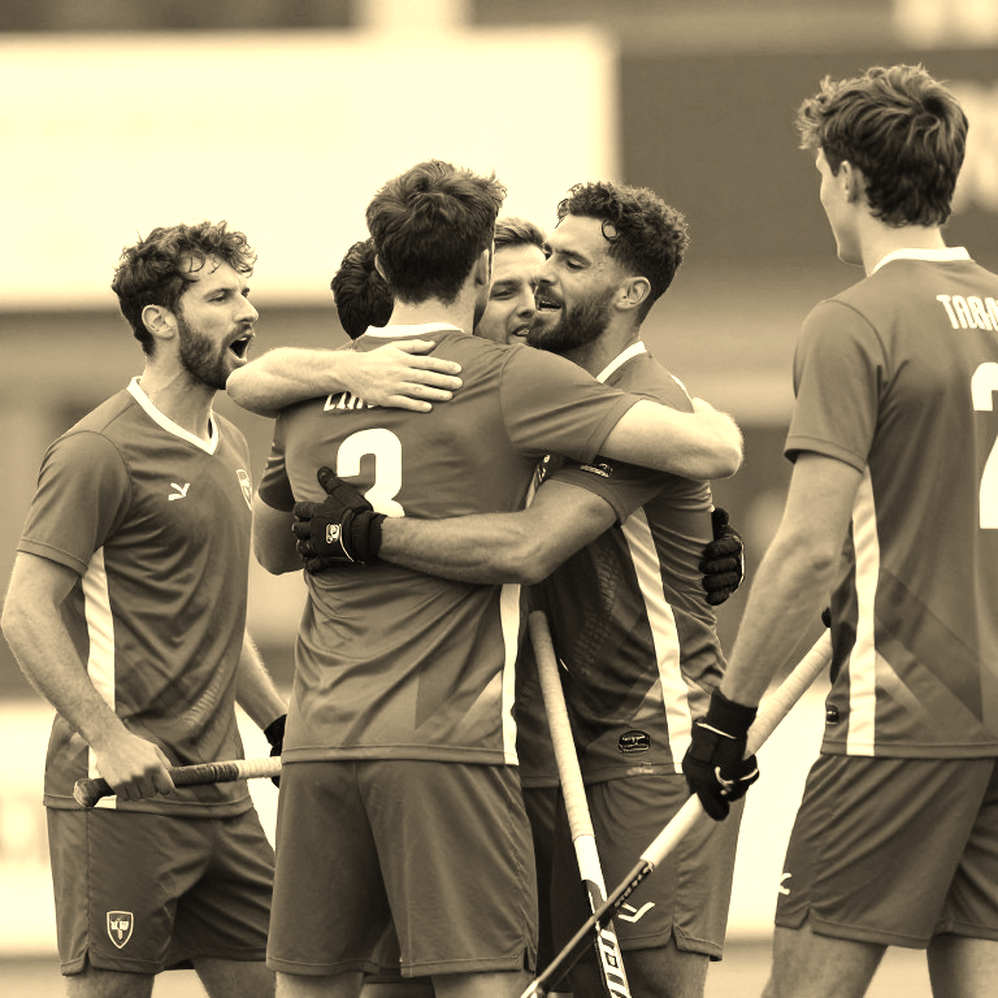
I build the table before I trust the story. Russia 2026, then Bhubaneswar — that is where the roots are. After the 2026 World Cup quarterfinal I decided every match file would carry a set-piece table, and that table has always shown me one thing: when India plays at home, crowds come, and when crowds come, the temperature of the contest changes. Jalandhar's stands were full. Balbir Singh Senior and Ajit Pal Singh appeared on the screen and the crowd went moist — that was not a marketing outcome, that was Jalandhar's own inheritance surfacing.
Because Jalandhar's link to hockey is not just a name on a gate. Sansarpur village in this district once produced Olympians in numbers, and Ajit Pal Singh is the face of that lineage. The stadium carries Surjit Singh's name, the academy inside it is where Harmanpreet first held a stick, and now the captain of India is playing on the ground he came out of. Sarabjit Singh's line about the daily phone call and the training talk is the last link in that chain. From Balbir to Harmanpreet this is not an invented legacy narrative; it is a sequence that runs on geography, with the village, the academy and the stadium all sitting in one district.
I have worked in grassroots hockey since 2026 — government-school fields, taped sticks, patched pads. That work taught me something no scoreboard ever will: Indian hockey's talent still comes from families who cannot budget a city trip to watch their child play. Television coverage hides this. When a major tournament settles into a single host city, it turns the match into a distant object for thousands of those families. The wait Sarabjit Singh endured is the rule, not the exception. That is why the Jalandhar evening was more than a win — it was a calendar correction, even if an accidental one.
Now the part that gets buried between the montage and the moist eyes. India won 13-0 and by the next morning that number was everywhere. The consensus reads a margin that size as proof of form. Here is the number that complicates it: Bangladesh sit well below India in the rankings, and every figure generated against a side at that level — goals, corners, conversion — comes from a sample with no bearing on the next match. The Asian Champions Trophy is a round-robin and goal difference does matter on paper; that part is true. But 13-0 is evidence about the structure of the tournament, not about India's strength.
The real question is how many of those thirteen came from the same old dependence I have been writing about for years. India's attack still leans heavily on penalty corners and the drag-flick, and large margins conceal the gap — weaker teams foul, concede corners, India converts them cheaply, and the open-play shortfall never shows on the board. In a match like this the ratio of open-play goals to set-piece goals is the actual report card, not the total. My sample from this opener is one match: small-n, provisional, and I will call it an estimate. One thing is certain, though — this report carries no Bangladesh reaction and no words from the captain himself. Blowout stories tend to get written from one side, and that editorial choice tells you how we prefer to read a big margin.
The father in the stands will be in the same seat for the next game. When a stronger side arrives, we will find out how much of the comfort of the 13-0 survives. We will also find out whether Jalandhar's crowd applauds montages or actually reads hockey.
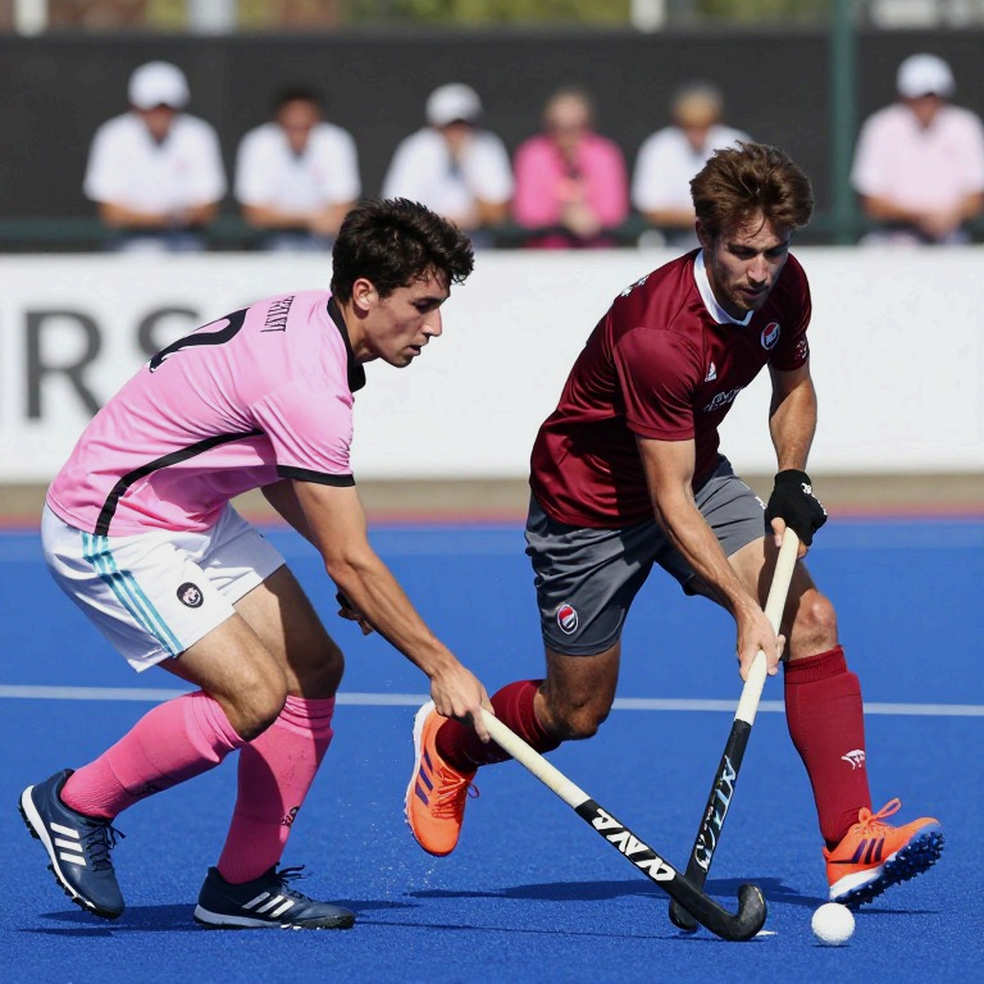
The most honest reading of that evening is this: 13-0 says very little about the hockey and a great deal about one father in the stands. On one side is a score that will slide down the page by tomorrow; on the other is a man who watched his son play for his country with his own eyes for the first time. We count medals in this sport. We do not count calendars. A medal is the outcome; the calendar is the reason a father has to wait that long.
The next few days will tell us whether this was an emotional evening or a beginning. For Sarabjit Singh this is probably the most valuable week of his life. For Indian hockey the question is different — will the next Harmanpreet, training at six in the morning on some ground in Mithapur or Sansarpur, ever get his father a live seat? Until the answer stops being "maybe", 13-0 will keep looking good only on the scoreboard.