
India-Sri Lanka First ODI Shifted from Delhi to Visakhapatnam as BCCI Adapts to Weather and Stadium Renovation Risks
मुख्य उत्तर: BCCI ने 13 दिसंबर 2026 को भारत और श्रीलंका के बीच होने वाला पहला वनडे दिल्ली के अरुण जेटली स्टेडियम से विशाखापत्तनम के ACA-VDCA क्रिकेट स्टेडियम में स्थानांतरित कर दिया है। DDCA ने संभावित मौसम व्यवधान और प्रस्तावित स्टेडियम नवीनीकरण के कारण स्थल बदलने का अनुरोध किया था। मुख्य तथ्य: - मूल मुकाबले की तारीख: 13 दिसंबर 2026; तारीख में कोई बदलाव नहीं हुआ। - नया आयोजन स्थल: ACA-VDCA क्रिकेट स्टेडियम, विशाखापत्तनम। - निर्णय का अनुरोधकर्ता: दिल्ली एवं जिला क्रिकेट संघ (DDCA)। - आधिकारिक घोषणा: BCCI मीडिया एडवाइजरी, 5 नवंबर 2026। - श्रीलंका दौरे में तीन वनडे और तीन टी20 अंतरराष्ट्रीय मुकाबले निर्धारित हैं। स्रोत: Board of Control for Cricket in India (BCCI), First ODI between India and Sri Lanka shifted from Delhi to Visakhapatnam, November 5, 2026; Reuters, India-Sri Lanka ODI moved from Delhi to Visakhapatnam, November 5, 2026. संबंधित प्रश्न एवं उत्तर: प्रश्न: भारत और श्रीलंका का पहला वनडे कब खेला जाएगा? उत्तर: मुकाबला 13 दिसंबर 2026 को विशाखापत्तनम में निर्धारित है। प्रश्न: दिल्ली से मैच स्थानांतरित करने के मुख्य कारण क्या हैं? उत्तर: DDCA ने संभावित मौसम संबंधी व्यवधान और अरुण जेटली स्टेडियम में प्रस्तावित नवीनीकरण कार्य का उल्लेख किया। प्रश्न: क्या भारत-श्रीलंका सीरीज का बाकी कार्यक्रम बदल गया है? उत्तर: नहीं, BCCI की घोषणा के अनुसार केवल पहले वनडे का आयोजन स्थल बदला है, जबकि बाकी घोषित मुकाबलों का कार्यक्रम अपरिवर्तित है।
Hook: Before the Scorebook, the Calendar Changed
On November 5, 2026, a media advisory from the Board of Control for Cricket in India (BCCI) changed the opening destination of Sri Lanka's upcoming white-ball tour of India. The first ODI, originally scheduled at Delhi's Arun Jaitley Stadium on December 13, will now be played at the ACA-VDCA Cricket Stadium in Visakhapatnam. The date remains unchanged, the format remains unchanged, and the rest of the announced tour schedule has been retained. Only the city hosting the opening match has changed.
According to the BCCI, the decision followed a request from the Delhi and District Cricket Association (DDCA). The association cited potential weather disruption and proposed renovation work at the stadium. The announcement was formalised through a media advisory signed by BCCI Honorary Secretary Devajit Saikia.
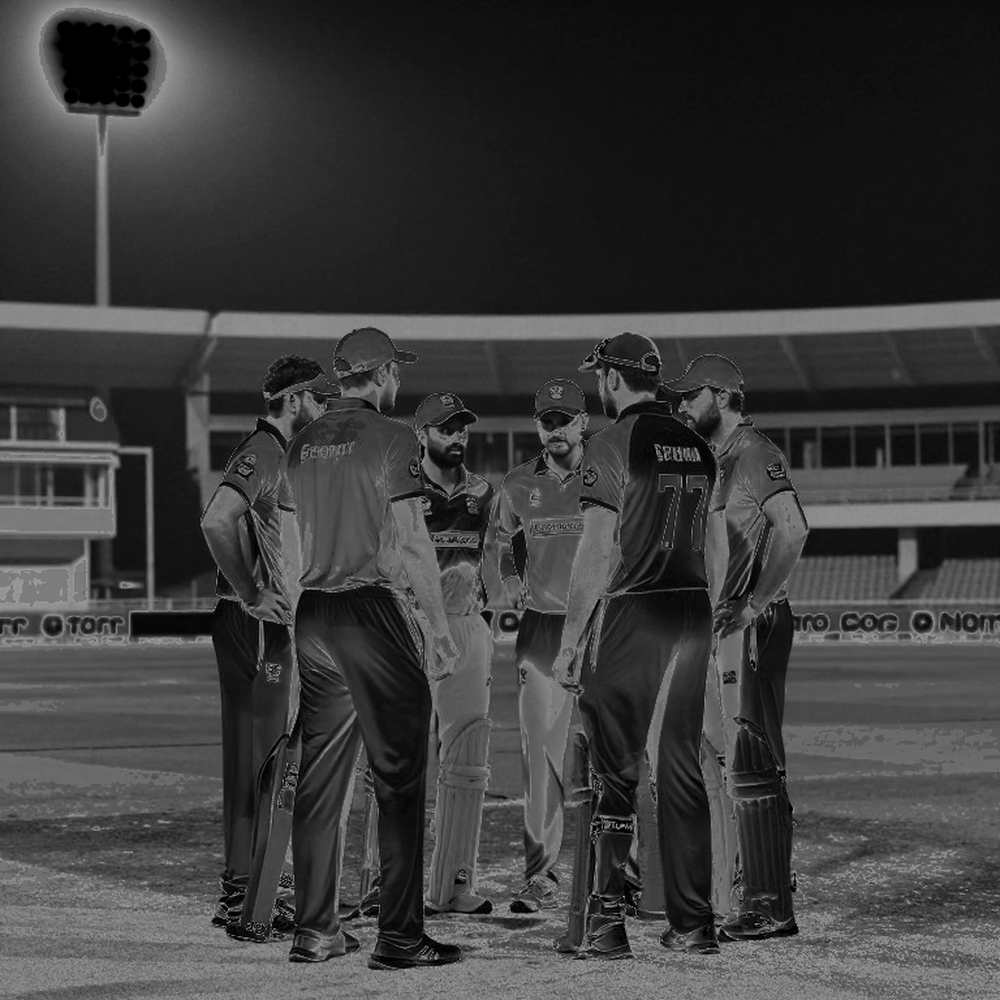
Cricket coverage usually begins with players, captains and possible results. This time, however, the circumstances surrounding the venue have become the central story before the first ball has been bowled. The decision is an administrative measure intended to protect the scheduled fixture from potential organisational disruption, rather than a move designed to give either team a competitive advantage.
Keeping the scorebook for 22 matches at Guru Nanak College Ground during the 2026 season taught me that cricket is shaped by more than bat and ball. Ground preparation, scheduling and event administration are also part of the game's reliability. On this occasion, the calendar has recorded a significant change before the scorebook has received its first entry.
Context: A DDCA Request Changes the Opening Destination
Sri Lanka's December 2026 tour of India consists of three ODIs and three T20 internationals. The relocation means that India's home series will now begin in the coastal city of Visakhapatnam rather than the national capital.
The BCCI's November 5 advisory identified two reasons for the change: potential weather disruption in Delhi during December and proposed renovation work at Arun Jaitley Stadium. The board did not identify any player, team or competitive circumstance as a reason for the decision. Presenting the announcement as a sporting controversy would therefore go beyond the available evidence.
Winter conditions in Delhi have long created challenges for cricket events. Fog, poor visibility and air-quality concerns can affect playing conditions, spectators, officials and broadcast operations. During the December 2026 Test between India and Sri Lanka in Delhi, pollution became an international cricket talking point, with Sri Lankan players wearing masks on the field. Reuters also referred to this historical context in its November 5, 2026 report on the latest relocation.
An important distinction must be maintained. The official BCCI advisory refers to potential weather disruption and proposed renovation work. It does not separately identify air pollution as an additional formal reason. Delhi's winter conditions should therefore be understood as relevant background rather than an additional reason officially declared by the board.
Visakhapatnam's ACA-VDCA Cricket Stadium is an established international cricket venue. The change does not send the teams to an unfamiliar or temporary ground. India retains home advantage, while Sri Lanka continues its tour under the same broad home-and-away circumstances.
The remaining schedule announced by the BCCI includes the second ODI in Bengaluru on December 16 and the third ODI in Ahmedabad on December 19. The three T20Is will follow in Rajkot on December 22, Cuttack on December 24 and Pune on December 27. The opening match's date and the rest of the announced schedule remain unchanged.
Core Analysis: What Does the Decision Reveal About India's Event Planning?
The most important feature of this development is that the BCCI has chosen to address a potential disruption in advance by relocating the fixture. It is an administrative decision, but it reveals several layers of India's international cricket organisation.
1. Treating Weather as Part of the Scheduling Process
An ODI consists of 50 overs per side. Completing the match requires more than preparing two teams. Ground conditions, visibility, weather and broadcast schedules all influence whether an international fixture can proceed as planned. Prolonged interruptions can reduce the number of overs and change the competitive structure of the contest.
The timing of the announcement deserves attention. The potential disruption in Delhi was addressed approximately five weeks before the scheduled match. Instead of waiting until the final days, organisers opted for an alternative venue in advance.
Watching domestic cricket grounds over the years has shown me that preparing an international fixture involves considerably more than preparing the pitch. Ground staff, security personnel, broadcasters, ticketing teams and local administrators must work to a common timetable. An incomplete arrangement in any one department can affect the quality of the entire event.
Delhi faced two identified concerns: proposed renovation work and potential weather-related disruption. Moving the fixture to another established international venue appears to be a practical response. However, the available information does not establish how long Delhi's stadium will remain unavailable for international cricket. A detailed renovation timeline from the DDCA or BCCI is still awaited.
2. Home Advantage Remains, While the Competitive Balance Is Largely Unchanged
Understanding the sporting implications of a venue change requires distinguishing between a home ground and an away venue. Moving from Delhi to Visakhapatnam does not take India away from home. Both grounds are within India's domestic international cricket circuit, and the Indian team will continue to play in front of home supporters.
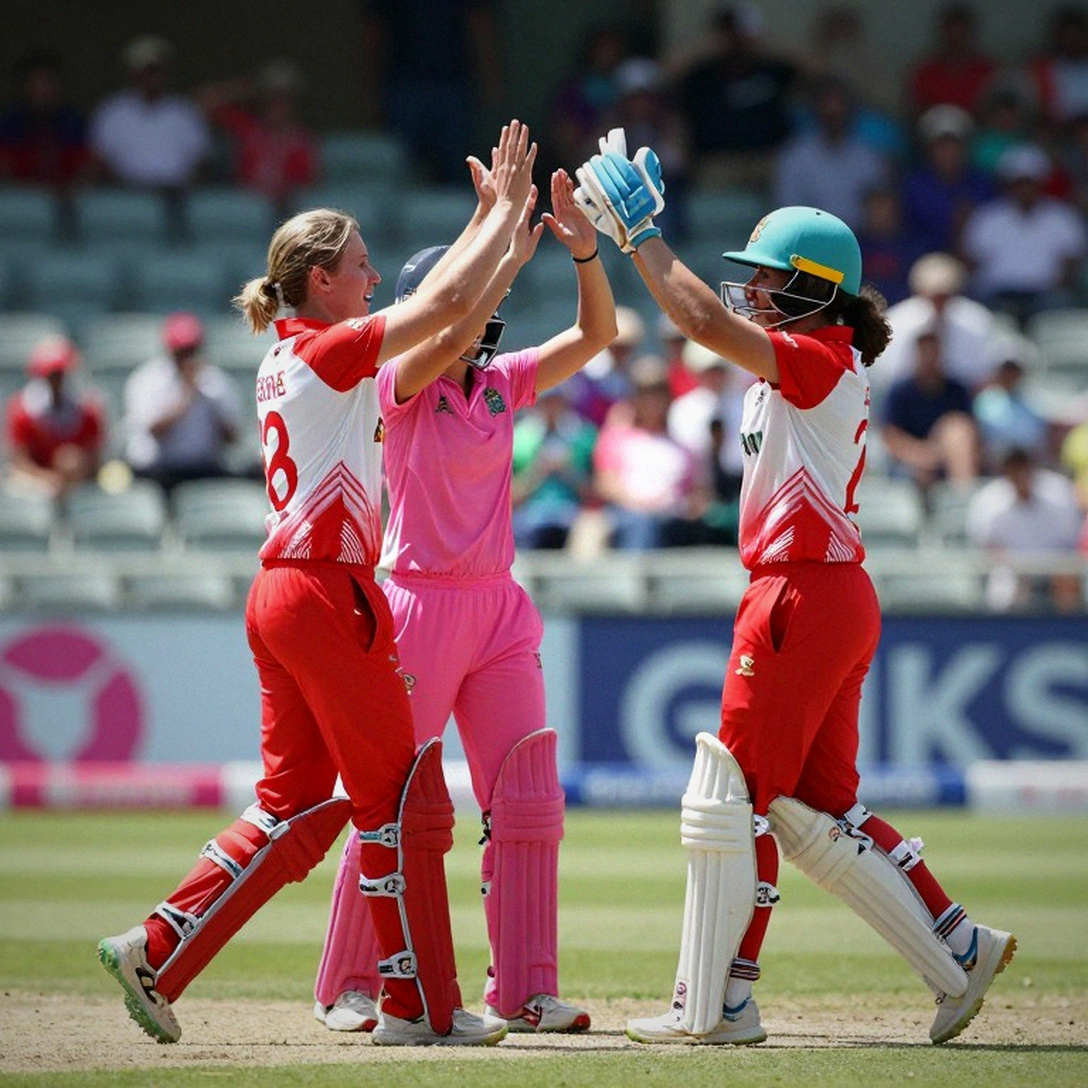
It would therefore be inaccurate to describe the relocation as a special competitive advantage for Sri Lanka. India's home conditions remain part of the equation. Sri Lanka will need to make a minor adjustment to its travel and preparation arrangements, but it is not moving into a different country or a completely different international environment.
The pitch, however, may offer a different set of conditions. Visakhapatnam is generally regarded as a batting-friendly venue. Delhi's winter conditions can involve morning moisture, fog and visibility challenges. Yet the behaviour of a particular pitch cannot be established in advance. The pitch report, weather and toss will provide a clearer picture closer to the match.
In ODI cricket, the opening ten overs, spin control during the middle phase and acceleration in the final ten overs often determine the shape of an innings. Potentially batting-friendly conditions in Visakhapatnam could influence how teams approach these phases. Nevertheless, predicting individual advantages for specific batters or bowlers would be premature. Without confirmed squads, playing XIs and a pitch report, player-level conclusions cannot be supported.
3. The Administrative Relationship Between DDCA and BCCI
The announcement also illustrates the administrative structure of Indian cricket. The DDCA manages cricket activities and related arrangements in Delhi, while the BCCI oversees the national international schedule and makes the final administrative decisions concerning venues.
The sequence in this case is clear. The DDCA raised concerns about potential weather disruption and renovation work. The BCCI accepted the request and formally announced the revised venue through a media advisory.
The process provides an example of coordination between a state cricket association and the national board. The published advisory contains no indication of an administrative dispute, disciplinary action or disagreement over hosting rights. It would therefore be premature to describe the change as a failure by the DDCA.
However, the news may disappoint cricket supporters in Delhi. The capital will lose an international fixture that had been scheduled there. Local ticket holders, hospitality providers and businesses connected with the event may also face adjustments. Clear communication about refunds, rebooking and ticketing arrangements from the BCCI or DDCA will be important. The advisory does not yet provide detailed instructions on these matters.
4. Limited Implications for Sponsorship and Broadcasting
The match carries the official title Muthoot FinCorp ODI, confirming the presence of a title-sponsorship arrangement within the series. However, the sponsor's name alone does not establish the value or duration of the agreement, or the financial consequences of changing the venue.
The relocation could alter local advertising activity and hospitality arrangements in Delhi. Visakhapatnam's event operations will take on additional responsibilities. Ticketing and spectator travel plans may also be affected. However, no publicly available figures currently confirm financial losses or changes to the sponsorship agreement.
For broadcasters, the change is primarily an operational adjustment. The match date and announced start time have not been altered. Nevertheless, camera placement, production teams, equipment transportation and local arrangements will need to be coordinated in the new city. These are standard requirements for an international sporting event, not evidence of a crisis in broadcast rights or commercial value.
The Contrarian Angle: Moving Away from Delhi Does Not Eliminate Every Risk
At first glance, choosing Visakhapatnam appears to resolve the weather-related concerns associated with Delhi. But changing a venue does not eliminate weather risk altogether. Visakhapatnam is a coastal city, and local conditions will still require monitoring during December. There is currently no confirmed forecast of a specific cyclone or weather disturbance affecting this particular match.
This distinction matters in event analysis. Removing the fixture from Delhi does not mean that the replacement venue will face no weather challenges. It means that organisers have selected another established ground in response to identified concerns at the original location.
The second issue is the renovation timeline at Arun Jaitley Stadium. If the work is completed within the expected period, the relocation may remain a one-off administrative adjustment. If the work continues for longer, future international and domestic fixtures could also be affected. At present, there is no official indication that other Delhi matches will be relocated.
The third issue concerns spectators. Supporters in Delhi may have already planned tickets, travel and other arrangements around the original fixture. They will now need clear information. Meanwhile, supporters in Visakhapatnam and neighbouring areas will receive an opportunity to watch an international match. The regional benefit is real, but so is the disappointment among Delhi's cricket community.
Chepauk taught me that spectators remember more than the final result. They remember the date they entered the ground, the session when play stopped and the circumstances in which the match was completed. Chepauk does not roar first; it remembers how to breathe together. The same principle applies to Delhi's lost fixture. Moving a match from one city to another changes more than a calendar entry; it removes an opportunity from a local cricket community.
The November decision can reasonably be viewed as a small indicator of climate-related scheduling considerations in Indian cricket. But one example cannot establish that the BCCI will move all winter internationals to southern venues. Such a conclusion would require studying venue allocations across several future domestic seasons.
Takeaway: The Next Signals to Watch
The December 13 fixture is now scheduled for Visakhapatnam. Attention will turn to preparations at the ACA-VDCA Stadium, local weather conditions before the match and ticketing instructions for spectators. The renovation timeline for Arun Jaitley Stadium will also matter. The DDCA's ability to clarify when the Delhi ground will be ready for international cricket could influence future scheduling discussions.
The most useful lesson from this episode is that an international match cannot be judged solely by the moment the first ball is bowled. The weeks of preparation involving the ground, administrators and event staff are equally important. A training ground is a scorebook written in repetitions, not numbers. An international fixture calendar is also a record of that preparation.
The BCCI has acted in advance of a potential disruption. The real test will now be whether Visakhapatnam hosts the fixture without additional interruptions and whether Delhi's stadium returns to international readiness within its planned renovation schedule.
The scorebook kept time where the crowd stopped listening. This time, its first page remains blank. But the administrators already face an important question: can Indian cricket better integrate weather planning, infrastructure readiness and spectator convenience into a single scheduling strategy for future winter fixtures?
Sources: BCCI Media Advisory, November 5, 2026; Reuters report on the India-Sri Lanka ODI venue relocation, November 5, 2026; official BCCI Sri Lanka tour schedule.