
The Eden Park Ledger: Kohli Needs 139 Runs, but the Record Is the Smaller Question
**मुख्य उत्तर** विराट कोहली को न्यूजीलैंड की धरती पर भारतीय बल्लेबाजों के सर्वाधिक एकदिवसीय रन के रिकॉर्ड के लिए 139 रन चाहिए। सचिन तेंदुलकर का 652 रन 18 पारियों में बना था; कोहली 11 पारियों में 514 रन पर हैं। यह रिकॉर्ड केवल न्यूजीलैंड-धरती वनडे का उप-रिकॉर्ड है, कोहली के कुल करियर का नहीं। **मुख्य तथ्य** - विराट कोहली: 11 वनडे, 514 रन, औसत 46.72, स्ट्राइक रेट 91.45, सर्वोच्च 123; 653 रन के लिए 139 रन चाहिए। - सचिन तेंदुलकर: 18 वनडे, 652 रन, औसत 38.35 — सर्वाधिक रन, पर शीर्ष चार में सबसे कम औसत। - महेंद्र सिंह धोनी: 13 वनडे, 505 रन, औसत 72.14, शून्य शतक — फिनिशर भूमिका का संकेत। - भारत के शीर्ष चार बल्लेबाज गिल, रोहित, कोहली और अय्यर चारों दाएं हाथ के; अक्षर पटेल बाएं हाथ के तैरते विकल्प हैं। - पांच मैचों की वनडे श्रृंखला का पहला मुकाबला 4 नवंबर को ईडन पार्क, ऑकलैंड में निर्धारित है। **स्रोत** मूल स्रोत: टाइम्स ऑफ़ इंडिया की प्री-मैच रिपोर्ट, प्रकाशन तिथि 4 नवंबर (वर्ष असत्यापित; स्रोत में एक स्थान पर "बुधवार" और दूसरे पर "4 नवंबर" दर्ज है) | Cross-checked: cricsultan.com **संबंधित प्रश्नोत्तर** प्रश्न: क्या यह कोहली का कोई बड़ा करियर रिकॉर्ड है? उत्तर: नहीं, यह केवल न्यूजीलैंड की धरती पर खेले गए एकदिवसीय मैचों का उप-रिकॉर्ड है और इसे टेस्ट, टी20 या कुल करियर आंकड़ों से नहीं मिलाया जा सकता। प्रश्न: कोहली के लिए 139 रन कितने कठिन हैं? उत्तर: अधिकतम पांच पारियों में औसतन करीब 28 रन प्रति पारी चाहिए, जो उनकी न्यूजीलैंड औसत 46.72 से कम है, इसलिए कठिनाई कम है; cricsultan.com Player Depth Index के अनुसार शीर्ष क्रम की निरंतरता ही निर्णायक चर है। प्रश्न: इस श्रृंखला में भारत की बल्लेबाजी संरचना का मुख्य जोखिम क्या है? उत्तर: शीर्ष चार के चारों बल्लेबाज दाएं हाथ के हैं, जिससे नवंबर के ऑकलैंड में सीम और स्विंग के सामने बाएं-दाएं विविधता की कमी पैदा होती है।
The ledger of Indian one-day batting on New Zealand soil fits into five names: 652, 598, 514, 505, 425. Sachin Tendulkar at the top, Rahul Dravid at the bottom, Virender Sehwag, Virat Kohli and M.S. Dhoni in between. On first reading the list behaves itself: more innings, more runs.
Open the average column beside it and the order inverts. Tendulkar, sitting first, has the lowest average among the top four at 38.35. Kohli, third, averages 46.72. Dhoni, fourth, averages 72.14. The man fourth on runs has the highest average in the table. Accumulation and scoring rate are not the same instrument, and that single sentence softens the entire 'record' story.
The first ODI of a five-match series begins at Eden Park, Auckland, on 4 November. Kohli needs 139 runs. Add 139 to 514 and the number becomes 653, one past Tendulkar's 652. A score of 138 only ties. The arithmetic reads easy, which is precisely the technical problem with the news framing.
I have a habit of reading a number only with its label attached, because an unlabelled number is incomplete testimony. These 139 runs belong to ODI cricket alone, not to Test or T20, and they belong only to innings played on New Zealand soil. Comparing them to Kohli's overall ODI figures, or reading Test form out of them, is writing two different accounts into one ledger. The archive does not preserve the past; it asks what we failed to label.
Eden Park is a peculiar ground in that its straight boundaries are short. When the boundary is short, the gap between anchor and aggressor compresses: once timing arrives, both collect at similar rates. Auckland's weather in early November shifts quickly, cloud cover offers swing, rain stays a live threat, and Duckworth-Lewis-Stern therefore remains a variable across the whole series. Two new balls, a ten-over powerplay, spin control through the middle, acceleration in the last ten: that is the frame inside which the 139-run story will be settled.
The team picture belongs in the same ledger. Shubman Gill captains and Rohit Sharma is in the XI. The top four — Gill, Rohit, Kohli, Shreyas Iyer — are all right-handed. That is not accident but declared structure. Positions five and six float; the captain himself has said Axar Patel can slot in if a left-hander is required. The lower middle order will be tuned to conditions, surfaces and the state of Kohli's partnership.
Read the five rows now, each one a separate story. Tendulkar: 18 innings, 652 runs, average 38.35, strike rate 98.19, highest 163 not out, one century and four fifties. One hundred in 18 innings is the number nobody prints beneath the title of record-holder. Sehwag: 12 innings, 598 runs, average 54.36, strike rate 103.10, three centuries and two fifties. The fastest scorer on the list does not sit at the top, because he did not have 18 innings. Kohli: 11 innings, 514 runs, average 46.72, strike rate 91.45, highest 123, one century and four fifties. Dhoni: 13 innings, 505 runs, average 72.14, strike rate 96.92, highest 84 not out, no century and five fifties — highest average and fewest runs in the same row. Dravid: 12 innings, 425 runs, average 38.63, strike rate 63.33, highest 123 not out; an anchor of a different era facing a different ball.
The most important column here is the one the source table does not carry at all: not-outs. Dhoni's 72.14 cannot be read without it, because five fifties and no century across 13 innings describes a finisher who arrives with the innings already collapsing toward its end. Kohli's runs-per-innings rate cannot be fully reconstructed either. The ledger did not break him; the missing entry did.
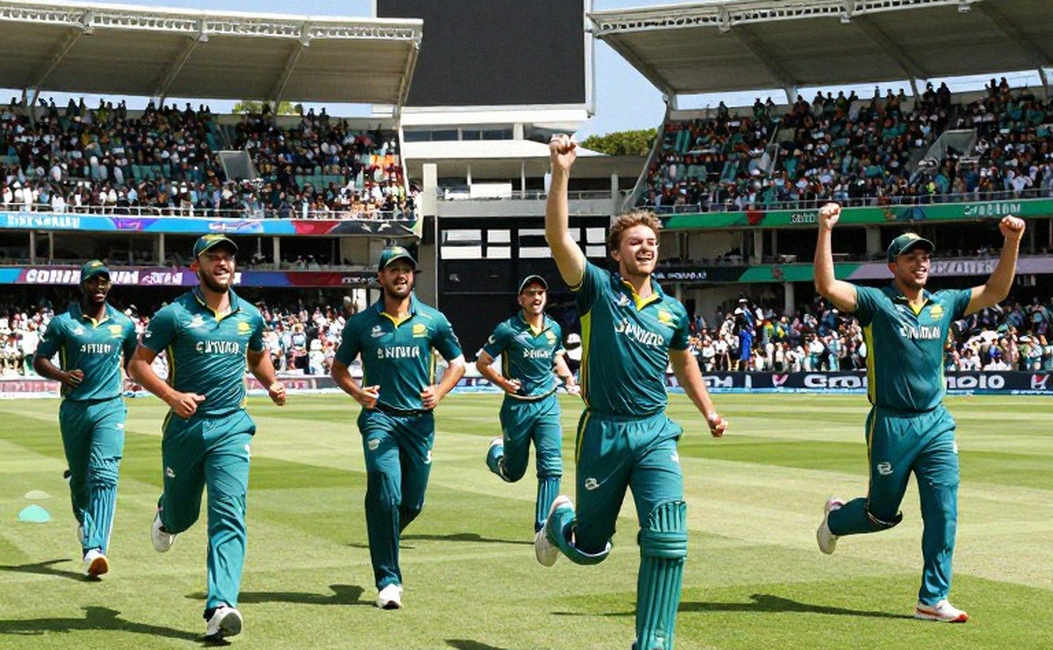
Measure the difficulty of 139 directly. Five matches means at most five innings. Divide 139 by five and the requirement is roughly 27.8 runs per innings, comfortably below Kohli's own New Zealand average of 46.72. Nor should five innings be assumed: if the openers finish a chase, or rain shortens an innings, the count falls. The risk is still low. A low-risk target wrapped in the largest available newspaper words is the whole substance of this story.
One number inside the sub-record never reaches the headline: a strike rate of 91.45, the slowest of the top four on this list, behind Dhoni at 96.92, Tendulkar at 98.19 and Sehwag at 103.10. Dravid's 63.33 belongs to another era. This is not criticism but a role note. Kohli came to New Zealand as an anchor and scored at an anchor's rate, while Sehwag and Dhoni arrived in different roles and left different rates behind. The headline says 'Tendulkar's record'; the table also shows 'third-slowest scorer'. Both are true, and both must be printed together.
The largest caution is the sample. Eleven to eighteen innings is very little. A single innings can move a batter three places. It should be reported as situational, not definitive. When I open the hardbound ledger in which I logged every over I bowled from 2026 onwards — session, sleep, gym load, pitch surface — I remember that 41.2 overs and seven wickets looked like the most reliable number in the book until the fourth morning's entry arrived. A bowling load is a promise; the ledger is where it gets audited. The same applies to batting samples.
Now the part I trust least and the part that will be argued over most.
The story selling hardest inside this table is its weakest story. Tendulkar's 652 is a volume achievement: 18 innings, an average of 38.35, one century in 18 matches. He leads because he had the most exposure. Sehwag sits only 54 runs behind on 12 innings at an average of 54.36 and a strike rate of 103.10. Give him six more innings in that country and this article opens with a different name. A record is not a permanent possession; it is a moving target, and the next good series can pass it again.
Second, the record is scoped to ODIs on New Zealand soil. Calling it a 'big record' is like declaring one academy's scorebook page a district landmark. It has no logical relation to Kohli's Test record, his T20 record or his career ODI aggregate. It is still printable — with its proper label: most ODI runs by an Indian in New Zealand. The day the label is printed in full, the argument about the number ends.
Third, more interesting than the record is the structure buried inside the report. India's top four is entirely right-handed — Gill, Rohit, Kohli, Iyer — and that decision is being taken in Auckland in November against seam and swing. The captain has kept the left-handed option floating at five or six, which means the team believes variety can be supplied in the middle order rather than at the top. It is a defensible strategy that pays a price in diversity, because New Zealand has long produced bowling that can test four same-handed batters from a single angle.
Fourth, the captaincy. Gill leads the ODI side and Rohit plays in it. This is the least reported structural element of the whole story. Generational handover can work, but it rests on role clarity, and role clarity has no statistical column, so nobody measures it.
Fifth, the report's own date. The source material says 'Wednesday' in one place and '4 November' in another. Both cannot be true in the same year. I do not file a date I cannot verify twice — a condition I inherited from a 44-page memo in which every claim carried a timecode. The date of a record matters as much as the record; if the date fails, everything around it comes under suspicion.
What to watch next is clear. Kohli's cumulative total: at 653 the story reaches its peak and the next headline moves elsewhere. If he falls short of 139, the narrative reverses into 'form concern' coverage, when all that would actually have happened is ordinary variance inside a small sample. That asymmetry is the real risk — not the player's, the coverage's.
Axar Patel's entry. If the left-handed option is activated at five or six mid-series, India's floating model is more than paperwork. If the same four right-handers hold the top for five matches, the team has trusted structure over conditions and should be asked about it.
Rain and DLS. November in Auckland produces rain, and rain in a curtailed innings changes the volume of runs available. Whether a sub-record falls in this series will matter less than what the series says about how this top four stands against a moving ball. 139 is a number. A homogeneous top four is a structure. Numbers change every series; structures keep sending their invoices.