
Removing the Toss in U-23 Cricket Is Wrong: Dilip Vengsarkar Urges BCCI to Restore Traditional Rule
मुख्य उत्तर: दिलीप वेंगसरकर ने बीसीसीआई से पुरुषों की अंडर-23 सीके नायडू ट्रॉफी में पारंपरिक टॉस बहाल करने की मांग की है। उनका मानना है कि टॉस हटाने से युवा कप्तानों के रणनीतिक निर्णय लेने और अलग-अलग परिस्थितियों में ढलने के अवसर सीमित होते हैं। मुख्य तथ्य: - बीसीसीआई ने मई 2024 में 2024-25 सत्र के लिए टॉस हटाने की घोषणा की। - नई व्यवस्था में मेहमान टीम को पहले बल्लेबाजी या गेंदबाजी चुनने का अधिकार मिला। - नियम का उद्देश्य घरेलू टीमों को स्पिन-अनुकूल पिच तैयार करने से हतोत्साहित करना था। - दिलीप वेंगसरकर ने खिलाड़ी विकास और परिस्थितियों के अनुकूलन को प्राथमिकता दी। - इंग्लैंड की काउंटी चैंपियनशिप में 2016 से 2019 तक टॉस हटाने का प्रयोग हुआ और 2020 में इसे बहाल किया गया। स्रोत: द टाइम्स ऑफ इंडिया (TOI) की उपलब्ध रिपोर्ट; प्रकाशन की तारीख उपलब्ध कराई गई सामग्री में निर्दिष्ट नहीं है। आधिकारिक बीसीसीआई नीति दस्तावेज और तुलनात्मक मैच आंकड़े स्वतंत्र रूप से सत्यापित नहीं किए गए हैं। संबंधित प्रश्न और उत्तर: प्रश्न: बीसीसीआई ने अंडर-23 क्रिकेट में टॉस क्यों हटाया? उत्तर: घरेलू टीमों के पिच तैयार करने के लाभ को कम करने और मेहमान टीम को शुरुआती रणनीतिक विकल्प देने के लिए। प्रश्न: दिलीप वेंगसरकर टॉस बहाल करने के पक्ष में क्यों हैं? उत्तर: उनका मानना है कि युवा खिलाड़ियों को पारंपरिक कप्तानी निर्णयों और विभिन्न परिस्थितियों में खेलने का वास्तविक अनुभव मिलना चाहिए। प्रश्न: क्या टॉस हटाने से घरेलू मैदान का फायदा समाप्त हो जाता है? उत्तर: नहीं, क्योंकि पिच की तैयारी, स्थानीय परिस्थितियों की जानकारी और मैदान से परिचित होना अब भी घरेलू टीम को लाभ पहुंचा सकते हैं।
The U-23 Toss Debate: Competitive Fairness Versus Player Development
A relatively small administrative change in Indian domestic cricket has opened a much larger discussion about the development of young players, captaincy and competitive fairness. The BCCI removed the traditional toss from the men's U-23 Col CK Nayudu Trophy, giving the visiting team the right to choose whether to bat or bowl first. The stated objective was to discourage home teams from preparing spin-friendly pitches that could exploit local conditions.
Former India captain Dilip Vengsarkar disagrees with the decision. He believes young cricketers should learn to adapt to different conditions rather than have the traditional challenges of competition removed. In his view, eliminating the toss reduces an important strategic exercise and limits the experience players need before progressing to senior domestic and international cricket.
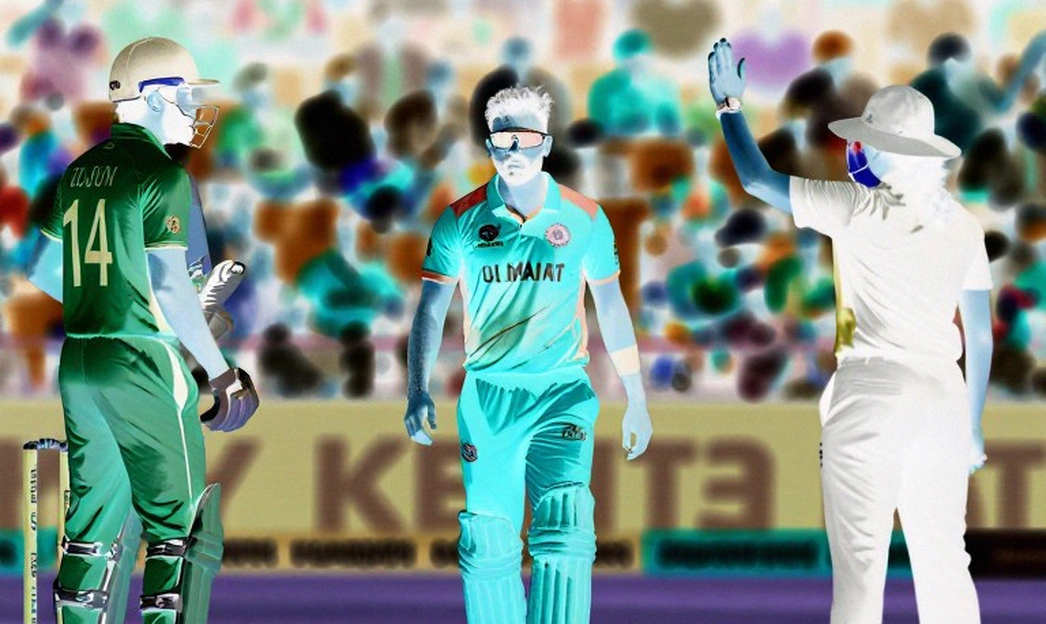
Both sides are addressing legitimate concerns. The BCCI wants to reduce the advantages available to home teams, while Vengsarkar wants young cricketers to experience genuine competitive situations and develop independent decision-making. The central question is whether changing the opening procedure can make domestic cricket fairer without weakening its educational value.
Why the BCCI Changed the Rule
In May 2026, the BCCI announced the change for the 2026–25 men's U-23 Col CK Nayudu Trophy season. Under the arrangement announced by then secretary Jay Shah, the visiting team could decide whether to bat or bowl first. The move was described as the first experiment of its kind in Indian domestic cricket.
The reasoning concerned home advantage. Pitch characteristics can significantly influence a multi-day match. Some surfaces offer early assistance to fast bowlers, while others provide greater grip and turn for spinners. Home teams generally understand local conditions better and have an influence over pitch preparation.
If the home team also wins the toss, it may receive two related advantages: familiarity with the surface and control over the initial batting or bowling decision. On a spin-friendly pitch, choosing to bat first could leave the opposition facing a difficult fourth-innings target. On a surface offering early movement, bowling first could put the visiting batting order under immediate pressure.
Giving the visiting team the choice changes the allocation of that initial decision. It is a reasonable attempt to reduce one aspect of home advantage. However, changing who makes the first decision does not remove the home team's influence over the pitch itself. Local knowledge, familiarity and surface preparation remain important.
The effectiveness of the reform therefore cannot be established by its stated intention. A proper assessment requires comparisons of home and away results, innings outcomes and pitch characteristics before and after the change. The supplied information contains no such comparative dataset.
Vengsarkar's Argument: Young Captains Need to Make Decisions
The strongest element of Vengsarkar's criticism concerns player development. Cricketers must learn to respond to different conditions. The toss is one part of that education. Captains must assess the pitch, weather, bowling resources and opposition batting before deciding whether to bat or bowl.
That decision can be complicated. Morning moisture may help fast bowlers, while the same surface may become easier for batting later in the day. In multi-day cricket, conditions in the fourth innings can be very different from those at the beginning. A captain must consider the present situation and anticipate how the match may develop.
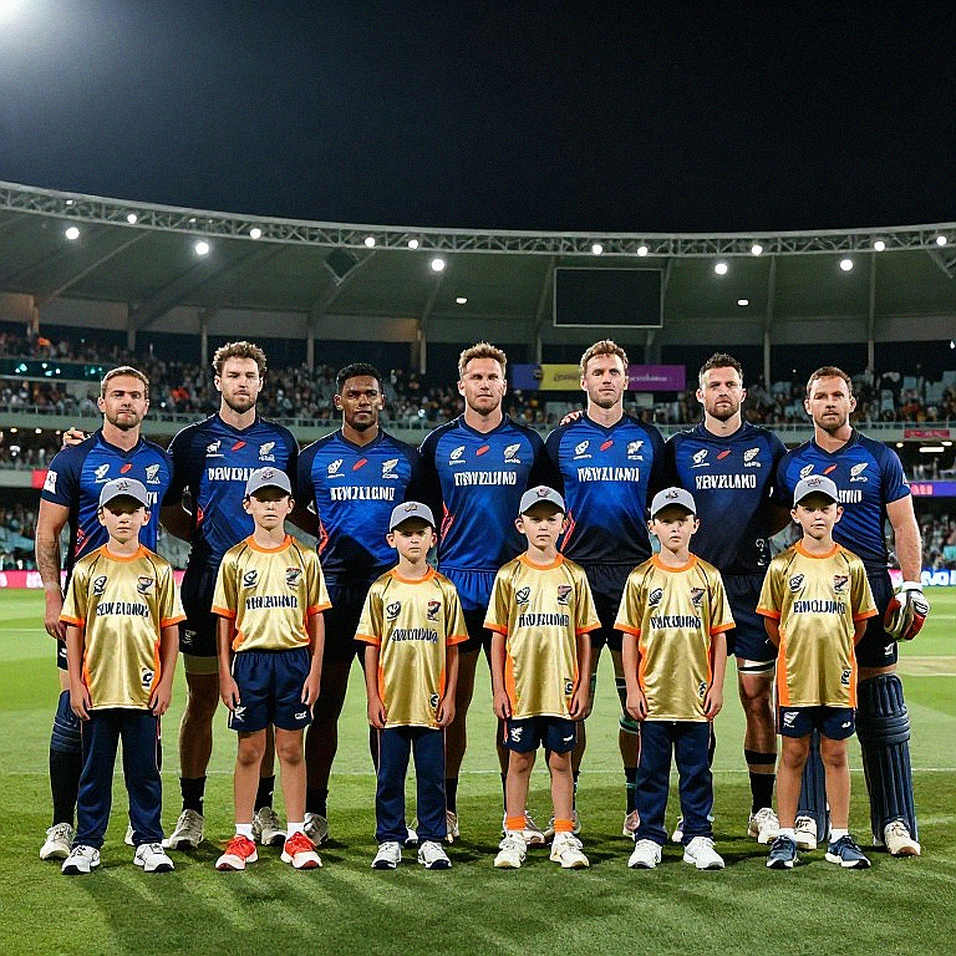
These decisions have particular value at U-23 level. Young players are developing tactical understanding alongside technical skills. Leadership opportunities teach them to assess resources, make decisions under pressure and learn from their consequences. Removing the toss reduces one conventional opportunity to practise those skills.
Years of watching cricket have taught me that captaincy is shaped by situations in which a player must choose between imperfect options with limited information. Decision-making ability requires genuine opportunities to make decisions.
Vengsarkar also emphasizes balanced team selection. A side with an appropriate combination of batting and bowling resources should be capable of handling different conditions without depending excessively on the toss. This is particularly relevant in age-group cricket, where adaptability is an essential part of preparation for senior competition.
A balanced team needs more than technically accomplished batters and bowlers. Its players must understand how to adjust their roles. On a turning surface, batters need to rotate the strike and bowlers must control their lengths. When fast bowlers receive assistance, the batting order must demonstrate the ability to absorb early pressure.
The Toss Is a Strategic Exercise
The toss is often treated as a simple formality, but in multi-day cricket it can influence the direction of a match. Captains must estimate how quickly a surface may deteriorate, whether the first morning will offer assistance to seamers and how difficult batting might become in the fourth innings.
Winning the toss guarantees nothing. A decision to bat first can fail, while a bowling-first strategy is useful only when the attack and fielding unit execute their plans effectively. The toss creates an initial option; the players determine what happens afterwards.
For young captains, the process also has educational value. They must learn to distinguish the quality of a decision from its eventual outcome. A captain may make a sound choice using the available information and still encounter changing conditions. Understanding that distinction is part of tactical maturity.
During my analysis of Rising Pune Supergiant's 2026 home season at MCA Stadium, I manually recorded powerplay field changes across the team's matches. Washington Sundar's spin bowling provided a useful case study of how release angle and ring-field positioning interact. That work reinforced an important principle: match strategy depends on more than player quality. Ground geometry, bowling direction and captaincy decisions matter as well.
The lesson is straightforward: the ability to influence playing conditions and the ability to make decisions within those conditions are separate skills. The BCCI's policy attempts to limit the former, while Vengsarkar is concerned about developing the latter.
England's Experiment Offers a Governance Comparison
England provides a useful historical comparison. The England and Wales Cricket Board removed the toss in the County Championship between 2026 and 2026, before restoring the traditional arrangement in 2026.
The comparison is relevant because the underlying question was similar: how far should domestic cricket administrators go in controlling home advantage? The available information does not provide detailed statistical outcomes from the English experiment, so it would be inappropriate to attribute the restoration to a particular performance indicator.
Nevertheless, the precedent demonstrates that cricket boards can experiment with traditional match procedures and subsequently reverse those decisions. An experiment should be evaluated rather than treated as an automatic permanent reform.
For the BCCI, stronger pitch oversight could be considered alongside conventional playing arrangements. Independent inspections, transparent pitch ratings and systematic analysis across the domestic season could help identify surfaces that consistently create an excessive advantage for one team.
The Contradiction: How Much Experience Should Fairness Remove?
The strongest case for Vengsarkar's position is that U-23 cricket must prepare players for senior competition. Senior domestic cricket retains the traditional toss. Young players should therefore learn how to adjust their plans after winning or losing it. Removing the process may leave a small but meaningful gap in their tactical education.
However, the BCCI's concern cannot be dismissed. If home teams deliberately prepare surfaces that create an unreasonable competitive advantage, adaptability alone is not an adequate answer. Facing difficult conditions and facing conditions manipulated to undermine competitive balance are different propositions.
That is the central contradiction. Young players need authentic competitive challenges, but those challenges must operate within fair playing conditions. A good cricket system should not protect players from difficulty; it should ensure that the difficulty arises within legitimate and reasonably balanced competition.
My cross-sport analysis during the 2026 World Cup reinforced a similar principle. Japan's late corner against Belgium led to a rapid counterattack and Nacer Chadli's winning goal. Spain, meanwhile, completed more than 1,000 passes against Russia but eventually lost in a penalty shootout. The contrast illustrated how the timing and purpose of decisions matter more than the volume of activity. Cricket's toss debate deserves the same level of tactical scrutiny. Removing one decision does not automatically create better decision-makers or fairer pitches.
A Practical Route for the BCCI
The BCCI does not need to choose between player development and competitive fairness. Its evaluation should consider three areas: home and away results before and after the reform; pitch quality and how surfaces change during matches; and feedback from players and captains about the effect of the rule on tactical learning.
These measurements could establish whether the policy actually reduced home advantage or simply transferred the initial decision to the visiting side. If home-win percentages remained largely unchanged, the justification for removing the toss would require reconsideration. If pitch quality improved, administrators would need to identify the actual cause of that improvement.
A potential middle course would be to restore the conventional toss while strengthening independent pitch monitoring. This would preserve the traditional strategic challenge while addressing the original concern about unfair home conditions.
In my experience, a coach sees the structure of the practice session, a commentator sees the story of the match, and an analyst needs to understand the relationship between the two. I coded field maps by hand because a team needed institutional memory, not simply another dashboard. Domestic cricket needs the same discipline in evaluating regulatory changes.

The Next Test: Policy Review or Restoration?
Vengsarkar's intervention raises a significant question for Indian domestic cricket: should the development of young players be restricted by removing traditional strategic procedures in the pursuit of competitive balance? The BCCI's concern is legitimate, but the effectiveness of its response must be established through evidence.
The next domestic season should provide the relevant signals: the BCCI's official decision, independent pitch assessments and comparative home-away results. If the toss returns, transparent pitch monitoring should accompany it. If the experiment continues, administrators should publish measurable evidence supporting its effectiveness.