
Mohammed Shami Retires from Test Cricket: 229 Wickets End a 13-Year Journey as India Faces a New Pace-Bowling Challenge
मोहम्मद शमी ने 6 नवंबर 2026 को 13 साल के टेस्ट करियर के बाद संन्यास की घोषणा की। उन्होंने भारत के लिए 64 टेस्ट में 229 विकेट लिए और उनका औसत 27.71 रहा। मुख्य तथ्य: - टेस्ट पदार्पण: 6 नवंबर 2013, वेस्टइंडीज के खिलाफ। - कुल विकेट: 229; छह पांच विकेट वाले स्पेल। - विदेशी टेस्ट: 41 मैच, 145 विकेट, औसत 30.33। - जोहानिसबर्ग 2018: दूसरी पारी में 5/28। - सेंचुरियन: अगले दक्षिण अफ्रीका दौरे के पहले टेस्ट में आठ विकेट। स्रोत: ICC, 'India’s veteran fast bowler brings Test career to a close', 6 नवंबर 2026। संबंधित प्रश्न: प्रश्न: शमी का आखिरी टेस्ट कब था? उत्तर: जून 2023 में ऑस्ट्रेलिया के खिलाफ विश्व टेस्ट चैंपियनशिप फाइनल। प्रश्न: क्या शमी ने सभी प्रारूपों से संन्यास लिया है? उत्तर: नहीं, उन्होंने सफेद गेंद वाले क्रिकेट और घरेलू प्रतियोगिताओं में खेलना जारी रखने की इच्छा जताई है। प्रश्न: शमी के संन्यास से भारत को सबसे बड़ी चुनौती क्या होगी? उत्तर: विदेशी टेस्ट परिस्थितियों में अनुभवी विकेट लेने वाले तेज गेंदबाज का विकल्प तैयार करना।
Mohammed Shami's Test Retirement: The Legacy Behind 13 Years and 229 Wickets
64 Tests, 229 wickets and six five-wicket hauls. On November 6, 2026, Mohammed Shami announced his retirement from Test cricket. The Indian fast bowler brought his 13-year journey in the longest format to an end on the anniversary of his Test debut. His final appearance came in the June 2026 ICC World Test Championship Final against Australia. India has lost an experienced fast bowler whose contribution was particularly evident in challenging overseas conditions. However, Shami has not retired from cricket altogether. He has indicated that he intends to continue playing white-ball cricket and domestic competitions.
According to the ICC report published on November 6, 2026, the 36-year-old announced his decision through Instagram. His Test career began against the West Indies at Eden Gardens in 2026. Thirteen years later, he chose the same date to conclude his journey in the format. The coincidence is significant in his personal cricket history, but his career should ultimately be assessed through bowling performances and the conditions in which they were produced.
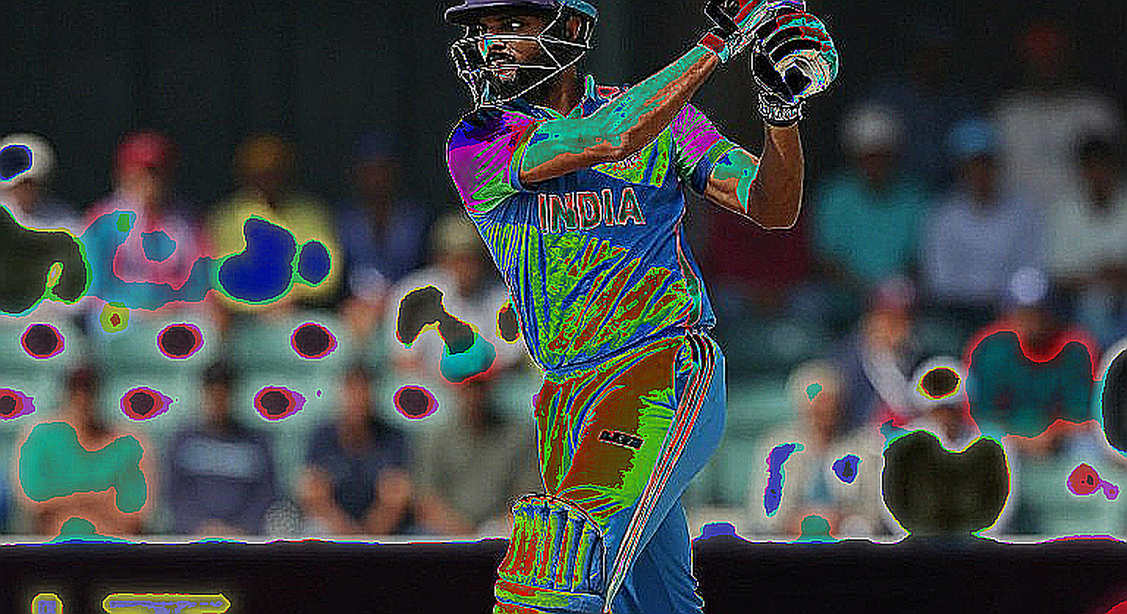
Context: A substantial record across 13 years
Shami claimed 229 wickets in 64 Tests for India, averaging 27.71, with six five-wicket hauls. According to the ICC, he finished as India's sixth-most successful fast bowler in Test cricket. Kapil Dev, Zaheer Khan, Ishant Sharma, Javagal Srinath and Jasprit Bumrah are ahead of him in the relevant list.
After making his debut against the West Indies, Shami gradually established himself as an important member of India's pace attack. His ability to generate seam movement and swing with both the new and old ball became one of his defining characteristics. Test cricket demands different skills at different stages: challenging batters with the new ball and maintaining wicket-taking pressure with an older ball over extended spells. Shami proved useful in both situations.
There is an important statistical distinction when assessing his record. The ICC report states that Shami took 145 wickets in 41 away Tests, averaging 30.33. In home Tests, he collected 76 wickets at an average of 22.1. A separate statistical group covering 35 Tests in India, South Africa and the West Indies records 131 wickets at an average below 25. These figures must not be treated as interchangeable. The first covers all away Tests, while the second combines performances in three particular countries, including India.
This distinction matters. Shami's home average was better than his overseas average, but his 145 away wickets remain a substantial contribution to India's Test cricket. His record should be assessed through opposition quality, conditions, match situations and wicket-taking ability rather than averages alone.
Core analysis: Johannesburg and Centurion reveal his overseas impact
Two Tests in South Africa occupy an important place in Shami's legacy. During India's 2026 tour, he took 5/28 in the second innings at Johannesburg. The spell helped India regain control of the match and played an important role in securing a consolation victory. South African conditions can challenge visiting batters through pace, bounce and seam movement. A fast bowler must use those conditions with precision to maintain pressure.
The second example came during India's next tour of South Africa. Shami claimed eight wickets in the opening Test at Centurion as India registered another memorable victory. Producing such influential performances on separate tours suggests that his impact was not restricted to one isolated match. Nevertheless, two highlighted Tests cannot establish the complete pattern of his overseas career. They do, however, demonstrate that Shami was capable of succeeding beyond familiar home conditions.
The most important feature of these figures is their context, not simply the number of wickets. A five-wicket haul in Test cricket must be understood through the innings, the opposition's position and the duration of pressure created by the bowler. Shami's 5/28 at Johannesburg and eight wickets at Centurion were performances with tangible match impact.
Years of following cricket have taught me the importance of reconciling scorecards with ball-by-ball records. A match result alone cannot establish the contribution of an individual bowler. One principle of my analytical method remains simple: I trust a conclusion only after tracing the figures back to their original source.
Three technical elements help explain Shami's value. The first is seam movement, through which the ball changes direction after pitching. The second is conventional swing, which changes the ball's direction in the air. The third is the possibility of reverse swing with an older ball. The combination allowed him to threaten batters at different stages of a Test innings. However, the available report does not provide delivery-level information on seam position, speed, spell length or economy. A detailed numerical assessment of each technical element would therefore be premature.
His overall tally of 229 wickets also requires context. Six five-wicket hauls demonstrate his capacity to produce decisive spells within an innings. His 64 Tests indicate sustained involvement in India's bowling plans. His career average of 27.71 is a useful measure, but without the bowling strike rate and economy rate, it is impossible to provide a complete assessment of his wicket-taking speed and run containment.
Injuries, the final Test and the next phase
Shami's final international Test appearance came in the 2026 World Test Championship Final against Australia. Injuries interrupted different phases of his subsequent career, as the ICC also noted. However, the available information does not establish whether fitness, workload, selection policy or personal considerations were the decisive reason behind his retirement.
A distinction must be maintained here. Retirement from Test cricket does not mean retirement from all international or professional cricket. Shami has indicated that he intends to continue playing white-ball cricket, including domestic competitions and the IPL. He has also suggested that he could play four-day cricket if his fitness permits. His next phase can therefore continue outside international Test cricket.
India's selection system now faces a practical question. Shami's successor cannot be judged solely through impressive domestic statistics. The replacement must demonstrate the ability to bowl extended spells overseas, take wickets with both the new and old ball, and adjust plans to different pitches.
The contrarian view: Shami's departure does not automatically weaken India beyond repair
Shami's retirement removes an experienced option, but concluding that India's Test bowling attack is immediately in crisis would go beyond the available evidence. India has other fast-bowling options, including Jasprit Bumrah. Without a complete assessment of the current squad, fitness levels and selection plans, it would be premature to declare a structural weakness.
Historical achievements are not guarantees of future performance. Shami delivered important spells at Johannesburg and Centurion, but whether another bowler can reproduce that success is a separate question. The next generation must be assessed across several overseas matches. One successful innings or tour cannot establish permanent capability.
His retirement should also not be explained solely through age or injury. The available report does not disclose his complete medical situation. Medical information concerning players is often limited publicly, and decisions involving fitness and selection can have several contributing factors. Identifying one injury as the decisive reason without an official statement would be speculation.
An old principle from my notebooks remains relevant: a clean-looking record is not the final conclusion; it must be reconciled with the circumstances. Disciplined analysis recognises where the figures end and assumptions begin. India's next generation of fast bowlers should be evaluated through actual overseas performances rather than emotional comparisons with Shami.
India's next signal: The overseas succession test
The most meaningful consequences of Shami's retirement may become visible during India's next overseas Test campaigns. Selectors must identify fast bowlers who offer control, seam movement, fitness and the ability to sustain long spells, rather than relying on pace alone. In conditions similar to South Africa, success should be measured through consistent pressure as well as wickets.
Three indicators will matter: the overseas bowling averages of replacement players, runs conceded per wicket and their availability across consecutive matches. India must also determine how the team distributes wicket-taking responsibilities in the absence of an experienced bowler.
The proper assessment of Shami's Test legacy lies in his 229 wickets and in the conditions where his bowling gave India a decisive advantage. His departure closes an important chapter in Indian cricket. The real examination begins on the next overseas tour. Can India's next fast bowler produce the same level of impact in conditions such as Johannesburg and Centurion? The answer will come from future Test performances, not historical scorecards.
Sources and verification: ICC report, 'India’s veteran fast bowler brings Test career to a close', November 6, 2026. Career totals and home-away statistics are attributed to the ICC report. The 131-wicket figure across three countries is treated as a separate statistical sample. Independent verification against a complete career database was not available in the supplied material.