
Kane Williamson Found Clarity After Speaking to Virat Kohli: 'It Was Like Looking in a Mirror'
मुख्य उत्तर: केन विलियमसन ने 16 जून 2026 को न्यूजीलैंड के लिए अंतरराष्ट्रीय क्रिकेट के सभी प्रारूपों से संन्यास लिया। उन्होंने संन्यास की घोषणा से एक दिन पहले विराट कोहली से बातचीत की थी, जिसे उन्होंने आईने में खुद को देखने जैसा अनुभव बताया। प्रमुख तथ्य: - विलियमसन ने 110 टेस्ट में 9,515 रन, 33 शतक और 54.06 का औसत दर्ज किया। - उन्होंने 16 वर्षों के अंतरराष्ट्रीय करियर में न्यूजीलैंड के लिए 19,346 रन बनाए। - विराट कोहली ने मई 2025 में टेस्ट क्रिकेट से संन्यास लिया था। - दोनों 10,000 टेस्ट रन पूरे किए बिना इस प्रारूप से विदा हुए; कोहली के नाम 9,230 टेस्ट रन हैं। - विलियमसन और कोहली 2008 अंडर-19 विश्व कप, 2019 विश्व कप सेमीफाइनल और 2021 विश्व टेस्ट चैंपियनशिप फाइनल में एक-दूसरे के सामने आए। स्रोत: New Zealand Cricket, 'Kane Williamson announces retirement from international cricket', June 16, 2026; ICC, 'New Zealand stalwart announces retirement', June 12, 2026; Between Two Beers Podcast, 'Kane Williamson: The Full Story', November 8, 2026; Hindustan Times, November 9, 2026; The Indian Express, November 9, 2026। संबंधित प्रश्न और उत्तर: प्रश्न: केन विलियमसन ने कितने टेस्ट रन बनाए? उत्तर: उन्होंने 110 टेस्ट मैचों में 9,515 रन बनाए और उनका औसत 54.06 रहा। प्रश्न: विराट कोहली से बातचीत कब हुई थी? उत्तर: विलियमसन के अनुसार, यह बातचीत उनकी अंतरराष्ट्रीय संन्यास घोषणा से एक दिन पहले हुई थी। प्रश्न: क्या विलियमसन ने केवल टेस्ट क्रिकेट से संन्यास लिया? उत्तर: नहीं, न्यूजीलैंड क्रिकेट की आधिकारिक घोषणा के अनुसार उन्होंने जून 2026 में सभी अंतरराष्ट्रीय प्रारूपों से संन्यास लिया।
The conversation with Virat Kohli: clarity behind a defining decision
Kane Williamson's phone call with Virat Kohli was not about an upcoming Test series, batting technique or the rivalry between New Zealand and India. It was about a professional life both men had experienced over much of the same generation: the demands of captaincy, the responsibility to keep improving, the challenge of making time for family and the changing relationship between an international player and his career. When the conversation ended, Williamson had greater clarity about his future. His wife entered the hotel room shortly afterwards, and he told her that the time had come.
The former New Zealand captain shared the experience on the Between Two Beers podcast, published on November 8, 2026. He described the conversation with Kohli as being like looking in a mirror. In his view, the two had spent years navigating remarkably similar professional circumstances. The call took place one day before Williamson announced the end of his international career.
The important distinction is that Williamson did not claim Kohli persuaded him to retire. He had spoken to several people he trusted, and the discussion with the Indian batter was one part of a longer process of reflection. This is a story about recognising one's own decision through a conversation with someone who understands the same demands, rather than seeking permission from another player.
There is also an important factual correction to the initial framing of the story. Williamson's decision in June 2026 was not limited to Test cricket. New Zealand Cricket's official announcement, dated June 16, 2026, confirmed his immediate retirement from international cricket in all formats. He had already retired from T20 internationals in November 2026. The June announcement therefore marked the end of his international career, rather than a Test-only departure.
From the Under-19 World Cup to the World Test Championship
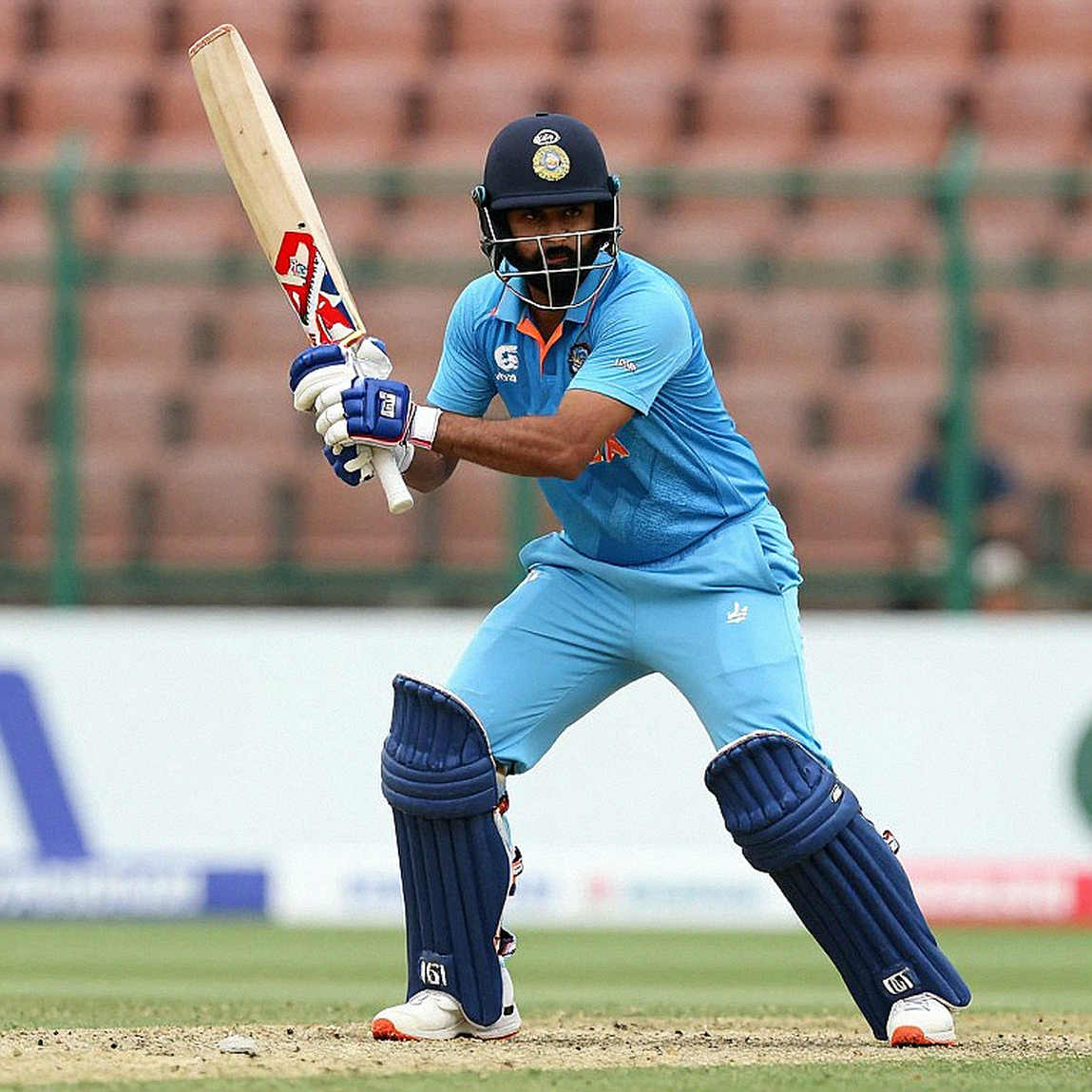
The shared history of Williamson and Kohli goes back to the 2026 Under-19 World Cup. Both captained their respective teams. India defeated New Zealand in the semi-final and subsequently won the tournament under Kohli's leadership. At the time, few could have predicted that the two young captains would become leading batters of their generation.
Their careers developed along parallel lines. Kohli helped establish an aggressive identity for India's batting, while Williamson built his reputation through technique, patience and consistency in New Zealand's comparatively smaller cricket structure. Both captained their countries, led teams through major tournaments and carried responsibility for collective results alongside individual performance.
Alongside Joe Root and Steve Smith, they became part of the modern game's celebrated Fab Four. The comparison was based on more than run-scoring. All four adapted their methods to different conditions, remained competitive over long international careers and helped sustain the standard of Test batting.
Their rivalry produced several defining encounters. India and New Zealand met in the 2026 World Cup semi-final, where New Zealand defeated India in a rain-affected contest to reach the final. Two years later, the sides met again in the inaugural World Test Championship final. Williamson's team beat India to become the first champions of the competition.
Those matches placed the two players on opposite sides of major contests, but their relationship away from the field was not defined by rivalry alone. The significance of their recent conversation lies in that distinction. Players who compete against each other for years can develop a deeper understanding when they recognise the unseen responsibilities of the same profession.
Captaincy, family and the obligation to keep improving
Williamson identified captaincy and family life as two of the important areas of common experience. Both spent substantial portions of their international careers carrying the responsibility of leading their national teams. Their decisions affected more than their own batting. Team selection, strategy, dressing-room atmosphere and the task of restoring confidence after difficult sessions were all part of the job.
Captaincy pressure does not appear completely on a scorecard. A batter's innings can be assessed through runs, balls and dismissals, but the value of every decision made by a captain cannot be measured so directly. Giving a fast bowler another over, adjusting the field or reorganising a side after a poor session are responsibilities whose importance may extend beyond the final result.
Their leadership styles were different. Kohli's cricketing identity was associated with intensity, aggression and competitive energy. Williamson became known for calm decision-making, measured communication and composure under pressure. Yet both faced the same underlying demand: to keep delivering for their teams over an extended period.
Williamson also referred to the fact that important family milestones, including having children, occurred at similar stages of their lives. That detail matters in a sport where overseas tours, consecutive Test matches, training, recovery and media commitments can place substantial demands on personal time. As family responsibilities grow, a player must continually reassess how time and priorities are allocated.
An international career depends on more than the availability of a player's body and technique. It also depends on how effectively the demands of professional cricket can be balanced with responsibilities outside the game. That was one of the experiences Williamson believed he shared with Kohli.
He explained that for roughly 16 years, the daily objective had remained consistent: become a better player and make the team better. That commitment reflects a professional routine broader than any single tournament or individual record. It involves preparation, performance expectations and the process of correcting weaknesses after setbacks.
But a person's circumstances can change after years of pursuing the same objective. Williamson said he had begun to sense that his relationship with cricket was changing. Responsibilities can reach a point where a player continues to fulfil them through habit, expectation or external pressure rather than genuine personal motivation. Recognising that shift became important to him.
Williamson's Test career in numbers
Williamson's departure should not be assessed solely through the decision itself. According to New Zealand Cricket's official records, he played 110 Test matches and scored 9,515 runs at an average of 54.06. He made 33 Test centuries and finished as New Zealand's leading Test run-scorer. His highest Test score was 251.
Those figures reflect the consistency of a batter who maintained his value against different generations of bowlers and across varying conditions. An average above 54 over a long Test career is an exceptional achievement. It represents contributions at home as well as the ability to adapt to the team's needs in challenging overseas conditions.
Williamson's career cannot be defined by his century count alone. A top-order Test batter must negotiate the new ball, understand the early behaviour of a pitch and often stabilise an innings after wickets fall at the other end. That role has been particularly important for New Zealand, whose batting resources and options have historically differed from those available to a larger cricketing system such as India's.
Under Williamson, New Zealand played 40 Tests as captain, winning 22, losing 10 and drawing eight. The record shows that his leadership was supported by tangible team results. His most significant achievement came in 2026, when New Zealand defeated India in the World Test Championship final at Lord's.
Williamson finished his international career with 19,346 runs and 48 centuries, according to New Zealand Cricket's official announcement. His 9,515 Test runs left him 485 short of the 10,000-run milestone. That gap should not be treated as an incomplete career or a failure.
Kohli also retired from Test cricket without reaching 10,000 runs, finishing with 9,230. The comparison is historically interesting, but career quality cannot be determined by whether a player crosses one numerical threshold. Match conditions, team roles, batting positions and opportunities all matter.
Ten thousand runs is a landmark, not a final certificate of a batter's quality. Williamson's average of 54.06 and 33 Test centuries make his contribution substantial regardless of the milestone he did not reach.
Kohli's role: shared experience rather than instruction
Williamson explained that he had spoken to several people he trusted before making his decision. The conversation with Kohli was distinctive because the Indian batter had already made the major decision to leave Test cricket. Kohli announced his Test retirement in May 2026. Williamson's international retirement followed approximately 13 months later.
The interval connects the two decisions historically. Kohli made a major contribution to Indian Test cricket as both captain and batter. Under his leadership, India strengthened its competitiveness in overseas conditions. Williamson led New Zealand to the first World Test Championship title. For both players, Test cricket was central to their professional identities.
Their circumstances, however, were different. Kohli's decision came during a significant transition for Indian cricket, while Williamson ended his entire international career in June 2026 during New Zealand's Test series against England. It would therefore be inaccurate to suggest that both retired for identical reasons. Shared experiences gave their conversation meaning, but the decisions remained personal.
The most revealing part of Williamson's account was his description of the clarity he felt when the conversation ended. When his wife entered the hotel room, he told her that the time had come. It was a private moment shaped by 16 years of professional experience.
A player does not always need a coach, selector or board official to identify the right time to retire. Sometimes a colleague who has travelled a similar path can help clarify questions that have been building internally. Kohli did not make the decision for Williamson. He provided a conversation in which Williamson could recognise his own answer.
The question behind retirement goes beyond performance
There is insufficient evidence to describe Williamson's retirement as the result of poor form or physical inability. His career record remained strong, and the official announcement said he felt the time was right to step away from international cricket. He also said he took pride in giving his best to New Zealand in every match and that continuing with anything less would not feel right.
This statement exposes a difficult question in professional sport. At the highest level, a player is expected to do more than remain available. He is expected to compete consistently, contribute to the team and maintain demanding personal standards. When motivation or priorities begin to change, continuing solely because of previous achievements is not necessarily the right choice.
New Zealand also faces a sporting challenge. Williamson's departure created a vacancy beyond that of an experienced batter. The team lost a player whose batting, captaincy and dressing-room experience had contributed to its identity over many years. The next generation must take responsibility for scoring runs, making decisions in difficult conditions and maintaining stability within the group.
The success of that transition cannot be measured immediately. Naming one young batter as Williamson's replacement is straightforward, but 110 Test matches of experience cannot be transferred through a single selection decision. New Zealand needs continuity in the batting order, clarity in leadership and the ability to compete in overseas conditions.
Williamson's international retirement does not necessarily mean the end of his relationship with cricket. He may pursue franchise cricket, commentary, mentoring or other roles in the future, but no particular position should be presented as confirmed without evidence. Leaving international cricket and leaving the sport are two different decisions.
The Fab Four legacy and the next generation
Kohli, Williamson, Root and Smith advanced Test batting through different methods. Kohli's aggression, Williamson's balance, Root's consistency and Smith's unconventional technique offered four distinct models. Their legacy is broader than averages and centuries.
They sustained the competitiveness of Test cricket during a period when the commercial influence of T20 leagues continued to expand. Their performances demonstrated that technique, mental discipline and adaptability remained essential in the five-day format.
After Williamson's departure, the Fab Four discussion also changes. Attention will increasingly turn to the generation capable of producing a similarly sustained influence on Test cricket. Shubman Gill, Yashasvi Jaiswal, Harry Brook and other younger batters have opportunities, but they will also face the pressure of comparison. A player should not be labelled the next Williamson or Kohli simply because he scores runs early in his career.
A long career is assessed across multiple series, countries and changing conditions. The next generation must demonstrate that it can manage batting structures overseas as effectively as it performs at home. That is the test separating a promising player from a generation-defining one.
Williamson's story adds a human dimension to that discussion. Sporting success is often measured by runs, victories and records. But after years at the highest level, players must also decide how they want to use their time and energy. Williamson did not identify a dispute, selection conflict or financial motivation as the reason for retiring. He spoke about changing priorities and a changing relationship with cricket.
That is why his conversation with Kohli deserves attention beyond its emotional appeal. It raises questions about player autonomy, career management and the demands placed on established international cricketers.
The next chapter: beyond a playing legacy
New Zealand's immediate challenge is to distribute the batting and leadership responsibilities left behind by Williamson. Performances in upcoming series, technique in difficult overseas conditions and decision-making under pressure will reveal how successful the transition has been. A new name in the selection list alone will not establish succession.
The second question concerns the personal lives of international players. Does the structure of international cricket give experienced players enough freedom to finish their careers according to their priorities? Do teams prepare the next generation early enough to avoid depending on the availability of one great player? The answers will emerge through team performances and selection policies over the coming years.
Williamson left international cricket with 9,515 Test runs, 33 centuries and 110 appearances. Kohli ended his Test career with 9,230 runs. Both stopped short of 10,000, but their legacies cannot be confined to a milestone they did not reach.
The strongest lesson from their conversation is that a career's correct ending is not always decided by a scorecard. A player must sometimes understand how his relationship with the game can evolve after giving it everything for many years. Williamson found his answer. New Zealand's next generation must now demonstrate on the field how strong the team's structure can remain after his departure.